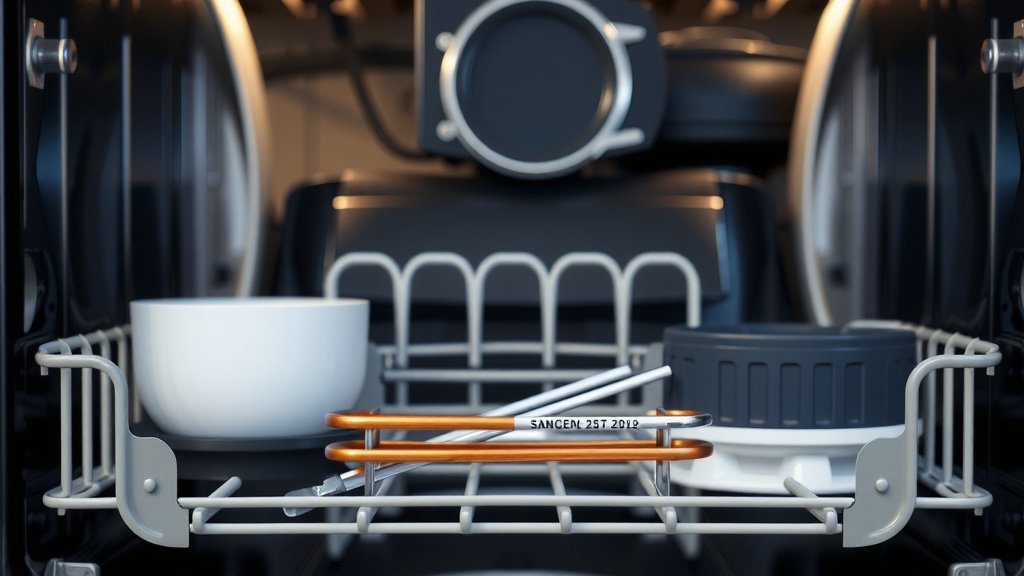
Replace Your Dishwasher Heating Element: A Step-by-Step Guide
Yes, you can absolutely replace your dishwasher’s heating element yourself with some basic tools and a little patience. This is a common dishwasher repair that often saves you a good chunk of money. We’ll show you how to identify the problem and get your dishwasher heating water again.
A broken heating element means your dishwasher isn’t getting hot enough to properly clean and sanitize dishes. You might notice they’re still dirty or wet after a cycle. We found that a faulty element is a frequent culprit for these performance issues. Fixing it yourself is quite achievable for most homeowners.
- Your dishwasher won’t heat water.
- Dishes come out dirty or wet.
- The heating element is likely the issue.
- You can replace it with basic tools.
- Safety first: always unplug the dishwasher.
Let’s walk through exactly how to replace that dishwasher heating element step by step, getting your dishes sparkling clean again in no time.
Getting Your Dishwasher Heating Again: A Step-by-Step Guide
So, your dishwasher isn’t heating water, and your dishes are coming out less than sparkling? Don’t panic! This is a common problem, and more often than not, the culprit is a faulty heating element. You might be surprised to learn that replacing it yourself is a totally doable DIY project.
We’ve found that many homeowners can tackle this repair with just a few basic tools and some clear instructions. Not only does this save you a **hefty repair bill**, but it also gives you that satisfying feeling of fixing something yourself. Let’s get your dishwasher back to its hot, dish-cleaning best!
Diagnosing the Problem: Is It Really the Heating Element?
Before you start pulling things apart, it’s wise to confirm that the heating element is indeed the issue. You’ve probably already noticed the symptoms: dishes that are still dirty, a dishwasher that smells a bit off, or water that’s only lukewarm. There are a few other things that could cause these problems, but a bad heating element is high on the list.
Common Signs of a Failing Heating Element
Research shows that a malfunctioning heating element can lead to several tell-tale signs. You’ll likely see that your dishes aren’t getting properly sanitized or dried. This is because the element is responsible for heating the water to the right temperature for cleaning and for drying the dishes at the end of the cycle.
- Dishes come out noticeably wet, even on a heated dry cycle.
- Food particles remain on plates and silverware.
- The water inside the dishwasher feels lukewarm instead of hot.
- You might hear the dishwasher running, but it’s just not cleaning effectively.
Simple Checks You Can Do First
Sometimes, the issue isn’t the element itself. Have you checked your dishwasher’s settings? It sounds simple, but sometimes a cycle might be selected that doesn’t include a heated dry. Also, ensure your water heater is functioning correctly, as the dishwasher relies on hot water from your home’s supply initially. Many experts suggest checking the water inlet valve too. If these basic checks don’t reveal the problem, it’s time to focus on that heating element.
Gathering Your Tools and Parts
Once you’re fairly certain the heating element is the likely cause, it’s time to prepare for the replacement. Having the right tools and the correct replacement part will make the job much smoother. Rushing this step can lead to frustration, so let’s get organized.
Essential Tools You’ll Need
You won’t need a professional toolkit for this. Most of these items you probably already have in your home toolbox. We found that having these on hand makes the process much easier.
- Screwdrivers (Phillips head and flathead)
- Pliers (needle-nose are often helpful)
- Adjustable wrench
- Work gloves
- Safety glasses
- A multimeter (for testing the element, if you’re feeling thorough)
- A camera or your smartphone (to document steps!)
Finding the Right Replacement Heating Element
This is perhaps the most critical part. You need a heating element that is specifically designed for your dishwasher model. Trying to use a universal part or one from a different brand could lead to a poor fit or even damage your appliance. You can usually find the model number on a sticker inside the dishwasher door or on the back of the appliance.
Once you have your model number, search online appliance parts retailers or contact your dishwasher manufacturer directly. We found that many online stores have excellent search filters that let you enter your model number to find compatible parts. Make sure to compare prices and shipping times!
Safety First: Preparing for the Repair
Before you even think about touching a wire, safety needs to be your absolute top priority. Working with appliances involves electricity, and it’s crucial to take the right precautions to avoid injury. We cannot stress this enough: **always disconnect the power**.
Disconnecting Power to Your Dishwasher
The most straightforward way to do this is by turning off the circuit breaker that controls your dishwasher. If you’re unsure which breaker it is, you can turn off the main breaker to your entire house for safety, though this is usually overkill. If you can’t locate the breaker, unplugging the dishwasher from the wall outlet is the next best step. Most dishwashers are plugged in behind the kick plate at the bottom front of the unit.
Understanding the Components Inside
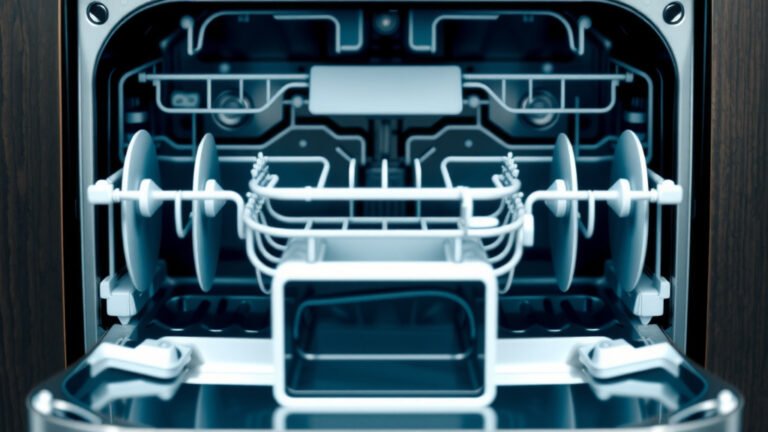
Once the power is off, you’ll likely need to access the underside or the front of your dishwasher. This often involves removing a lower access panel or kick plate. This panel is usually held in place by a few screws. Gently remove these screws, keeping them in a safe place so you don’t lose them. You might also want to take pictures as you go, especially of how panels and wires are connected. This will be a lifesaver when it’s time to put everything back together.
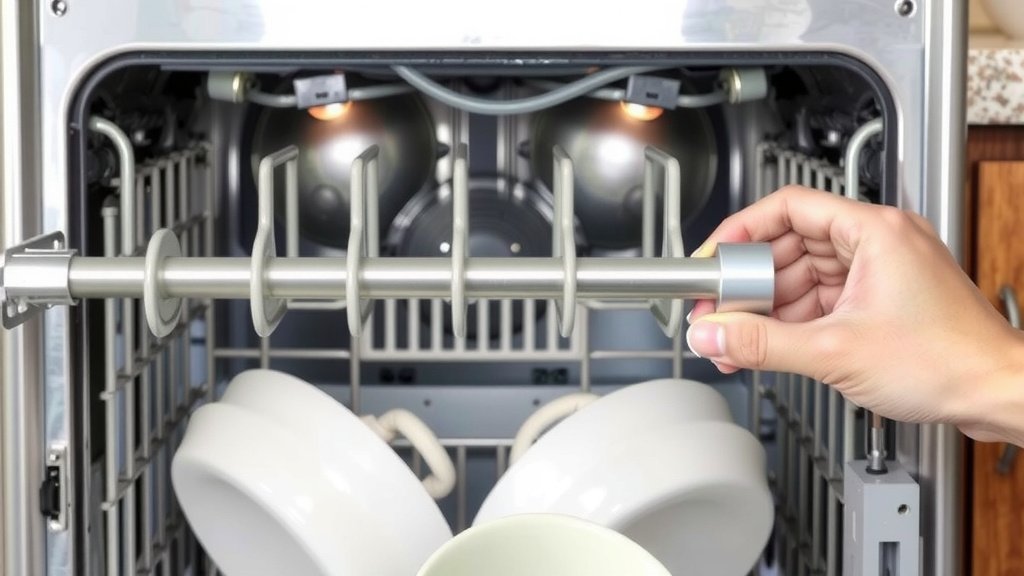
Step-by-Step: Replacing the Heating Element
Now for the main event! With power disconnected and your tools ready, you’re set to tackle the heating element replacement. Take your time, and don’t be afraid to refer back to those pictures you took.
Locating the Old Heating Element
The heating element typically looks like a large, U-shaped metal tube at the bottom of the dishwasher tub. It has two terminals that connect to the dishwasher’s wiring harness, usually on the outside of the tub. You’ll see where it’s mounted through the tub wall.
Disconnecting the Old Element
Underneath the dishwasher, where the element’s terminals enter the tub, you’ll find the wiring connections. You might have wire nuts or spade connectors. Gently pull these off the terminals. It’s a good idea to note which wire goes to which terminal, though often they are identical. Use your pliers if they’re a bit stuck. Be gentle so you don’t damage the wires or the connectors.
Removing the Old Element
The heating element is usually held in place by a retaining nut or clips on the outside of the tub. You’ll need to access this from the bottom of the dishwasher. Use your adjustable wrench to loosen and remove the nut or unclip the fasteners. Once it’s loose, carefully pull the old heating element straight out from the inside of the tub. You might need to wiggle it a bit.
Installing the New Heating Element
Take your new heating element and carefully insert it into the opening from the inside of the tub, making sure it seats properly. From underneath, reattach the retaining nut or clips and tighten them securely with your wrench. Don’t overtighten, but make sure it’s snug to prevent leaks.
Reconnecting the Wires
Now, reconnect the wires to the terminals on the new heating element. Ensure a firm connection. If you took pictures, this is where they come in handy. Double-check that everything is connected correctly.
Testing and Reassembly
You’re almost there! Before you put everything back together, it’s wise to test your work. This can save you a lot of hassle if something isn’t quite right.
Performing a Quick Test Run
With the power still disconnected, carefully put the kick plate or access panel back in place, just loosely. Then, restore power at the circuit breaker or plug the dishwasher back in. Run a short rinse cycle or a quick wash cycle. Listen for any unusual noises and check underneath for leaks around the new heating element. If all seems well, turn the power off again.
Final Assembly
Now you can fully reassemble the dishwasher. Securely reattach the kick plate or access panel with all its screws. Make sure everything is aligned properly and looks like it did before you started.
Your Dishwasher Check-up List
Here’s a quick checklist to ensure you’ve covered all your bases:
- Power Off: Did you disconnect the power at the breaker or unplug the unit?
- Tools Ready: Do you have all your necessary tools and the correct replacement part?
- Old Element Out: Is the old heating element completely removed?
- New Element In: Is the new heating element securely in place and sealed?
- Wires Connected: Are the wires properly reconnected to the new element’s terminals?
- Leak Check: Did you run a test cycle and check for any leaks?
Once you’ve completed these steps, you’re ready to run a full wash cycle. Hopefully, you’ll soon hear that familiar hum of hot water heating up, and see those dishes coming out cleaner and drier than ever!
Conclusion
You’ve successfully navigated the steps to replace your dishwasher’s heating element! Remember, safety always comes first, and taking your time during each step ensures a successful repair. You’ve likely saved yourself a good amount of money and gained a new skill. Your dishwasher should now be heating water effectively, leaving your dishes sparkling and dry.
If you’ve followed these instructions, you’re ready to run a full cycle and enjoy the results. Great job tackling this common appliance repair yourself!
Frequently Asked Questions
How can I tell if my dishwasher heating element is completely broken?
The most obvious sign is that your dishes come out wet, even after a heated dry cycle. You’ll also notice that the water inside the dishwasher feels lukewarm instead of hot during the wash. If food particles remain stubbornly attached, that’s another strong indicator.
Can I use a heating element from a different brand of dishwasher?
No, it’s generally not recommended. You need a heating element specifically designed for your dishwasher’s make and model. Using an incompatible part can lead to improper fit, leaks, or damage to your appliance.
Is it safe to test the dishwasher with the kick plate removed?
Yes, it is safe to perform a short test run with the kick plate loosely reattached or removed, as long as you have already restored power. This allows you to easily check for leaks around the new element before the final reassembly.
What if I can’t find my dishwasher’s model number?
Check inside the dishwasher door frame, on the back of the appliance, or in your owner’s manual. Sometimes it’s located on the side of the tub, visible when the door is open. If all else fails, contact your appliance manufacturer with any serial numbers you can find.
My new heating element seems loose, what should I do?
Ensure the retaining nut or clips on the outside of the tub are tightened securely. Do not overtighten, as this can damage the tub seal. A snug fit is essential to prevent water from leaking during operation.