How to Replace Your Dishwasher Filter: A Simple Guide
Replacing your dishwasher filter is a straightforward process that can significantly improve your dishwasher’s cleaning performance and prevent future issues. You can usually do it in under 15 minutes by following a few simple steps. This maintenance task is essential for keeping your dishes sparkling clean.
A clogged filter can lead to food particles being recirculated, leaving your dishes less than spotless. Cleaning or replacing it ensures your dishwasher runs efficiently and extends its lifespan. Many homeowners overlook this simple upkeep, but it makes a big difference in results.
- Locate your dishwasher’s filter.
- Remove the old filter.
- Clean or replace it with a new one.
- Reassemble the filter housing.
- Run a quick rinse cycle.
Ready to get your dishwasher back to its sparkling best? Let’s walk through exactly how to replace your dishwasher filter step by step.
Keeping Your Dishwasher Sparkling: A Guide to Filter Replacement
Your dishwasher’s filter is a small but mighty component. It catches food particles and debris. This keeps them from recirculating. A clean filter means cleaner dishes. It also helps your dishwasher run efficiently. We’ll guide you through replacing it.
Locating Your Dishwasher’s Filter
First things first, you need to find the filter. Most dishwasher filters are located at the bottom of the dishwasher tub. You’ll usually see a cylindrical or flat mesh screen. It’s often under the lower spray arm. Some models might have a flat panel filter. You might need to remove the lower rack to get a good look. Don’t worry if it’s not immediately obvious. Your dishwasher’s manual is your best friend here. It will show you the exact location.
Different Filter Types and Locations
Dishwasher filters aren’t one-size-fits-all. They come in a few common designs. Understanding yours helps with removal and reinstallation. We found that knowing your model number is key to finding the right information.
The Cylindrical Filter
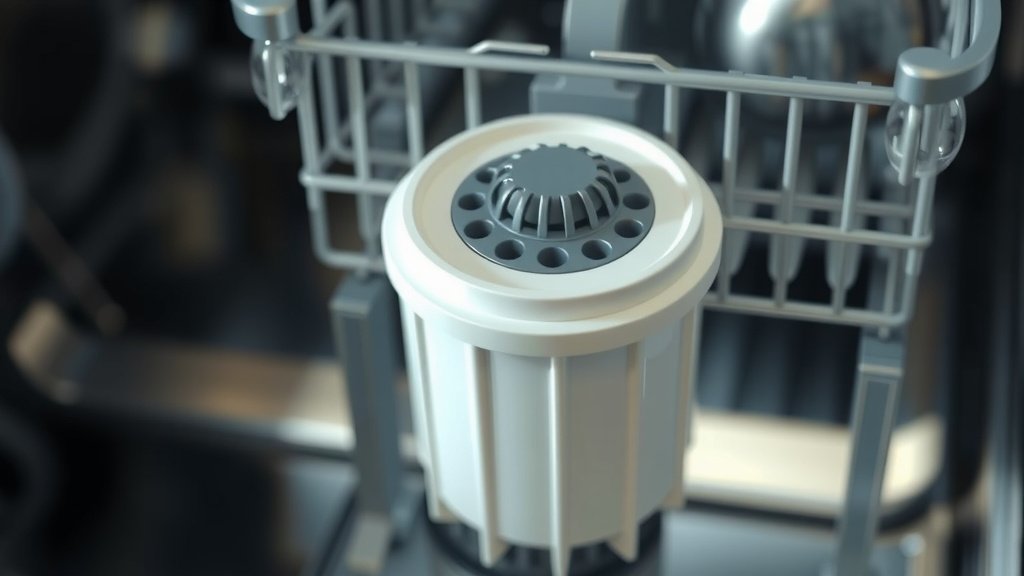
This is the most common type. It’s a round, usually plastic, filter. You twist it to unlock it. It often sits in the center of the bottom of the tub. It might have a coarse outer screen and a finer inner filter.
The Flat Panel Filter
Some newer models use a flatter filter. This can be a single large panel or a couple of smaller ones. They usually slide or snap into place. These are also found at the bottom, often covering a larger area.
Consulting Your User Manual
We always recommend checking your dishwasher’s manual. It’s the most reliable source for your specific model. It will show you exactly where to find the filter. It also details how to remove it without causing damage. If you can’t find the physical manual, a quick online search using your dishwasher’s brand and model number usually yields results. Many manufacturers provide PDF versions.
Step-by-Step Filter Removal
Once you’ve located the filter, removal is usually quite simple. Many experts say this is the easiest part of the job. You shouldn’t need any special tools.
Preparing for Removal
Before you start, it’s a good idea to clear out the bottom of the dishwasher. Remove any large food debris. You might want to place a towel on the floor. This catches any stray water that might drip out. Ensure your dishwasher is turned off at the power source for safety. While not strictly necessary for filter removal, it’s a good habit for any appliance maintenance.
The Removal Process
For cylindrical filters, you’ll typically just twist them counter-clockwise. Some might have a small tab to press while turning. Once loose, lift it straight out. For flat panel filters, look for latches or tabs. Gently push or pull them according to your manual’s instructions. Be careful not to force anything. If it feels stuck, double-check that you’ve released all the locking mechanisms.
What to Do If It’s Stuck
If the filter is stubborn, a gentle wiggle might help. Sometimes, a bit of dried-on gunk can make it difficult. Avoid using pliers or sharp objects, as these can damage the plastic. If you’re truly struggling, review your manual again. There might be a specific trick for your model. Most often, it just needs a little patience.
Cleaning or Replacing Your Filter
Now that the old filter is out, it’s time to decide whether to clean it or replace it. This depends on its condition.
Cleaning the Filter
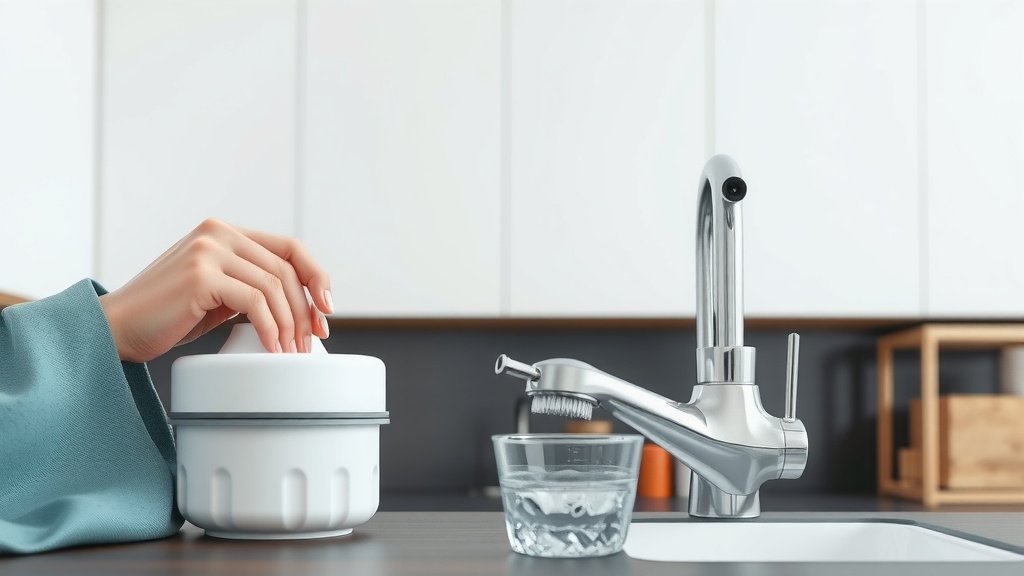
Most filters can be cleaned and reused. We found that regular cleaning prevents the need for frequent replacements. Take the filter to your sink. Rinse it thoroughly under warm running water. Use a soft brush, like an old toothbrush, to scrub away any stubborn food particles or grease. You can use a little dish soap if needed. Rinse again until all soap is gone. Make sure all debris is removed from the mesh. This is important for optimal performance. Many guidelines suggest cleaning your filter every 1-3 months (Cleveland Clinic).
When to Replace the Filter
If your filter is cracked, warped, or significantly damaged, it’s time for a new one. Also, if you’ve cleaned it multiple times and it still seems clogged or smells musty, a replacement is best. You can usually order replacement filters directly from the manufacturer’s website or through appliance parts retailers. Make sure you have your dishwasher’s model number handy when ordering.
Reassembling the Filter Housing
Putting everything back together is just as important as taking it apart. A properly seated filter ensures your dishwasher works correctly and prevents damage.
Ensuring Proper Seating
For cylindrical filters, align the filter with its housing. Turn it clockwise until it locks into place. You should feel or hear a click. For flat panel filters, slide or snap them back in. Ensure they are flush and secure. Double-check that the lower spray arm can still rotate freely after the filter is in. Sometimes, a filter isn’t seated correctly, and it blocks the spray arm.
Running a Test Cycle
Once the filter is reinstalled, it’s a good idea to run a short rinse cycle. This helps flush out any remaining debris. It also ensures everything is working correctly. Load a few dishes in the next wash cycle. Observe them afterward. They should come out cleaner than before.
Quick Filter Maintenance Checklist
Here’s a quick rundown to keep your filter in top shape:
- Check your manual for filter location.
- Remove the lower rack if needed.
- Twist or unclip the old filter.
- Rinse thoroughly with warm water and a soft brush.
- Ensure the new or cleaned filter locks securely.
- Run a short rinse cycle after reassembly.
Conclusion
You’ve now learned how easy it is to replace your dishwasher filter. This simple maintenance task keeps your dishes cleaner. It also helps your dishwasher run more efficiently. Remember to check your manual for your specific model. Clean or replace the filter as needed. Don’t forget to ensure it’s properly seated. Your dishwasher will thank you for it with sparkling results on every load. Ready to give your dishwasher a fresh start? Grab your manual and get to it!
Frequently Asked Questions
How often should I check my dishwasher filter?
We found that checking your filter every 1-3 months is a good general rule. If you notice your dishes aren’t getting as clean, or if there’s an odor, check it sooner. Regular checks prevent bigger problems down the line.
Can I use a regular household cleaner to clean the filter?
It’s best to stick to warm water and a soft brush. A little mild dish soap can be used if needed. Avoid harsh chemicals or abrasive cleaners. These can damage the filter material and affect its performance.
What if I can’t find my dishwasher’s manual?
Don’t worry! Most manufacturers have manuals available online. Just search for your dishwasher’s brand and model number on their website. You can usually download a PDF version for easy reference.
My filter seems to be stuck. What should I do?
If your filter is stuck, avoid forcing it. Gently wiggle it back and forth while pulling up. Ensure you’ve released any clips or tabs. If it still won’t budge, consult your manual or the manufacturer’s support.
Can I run my dishwasher without the filter?
We strongly advise against running your dishwasher without a filter. The filter is there to catch food particles and debris. Running it without one can cause these particles to clog your dishwasher’s internal components, leading to damage and poor cleaning.