Fix a Dishwasher Not Draining: Step-by-Step Guide
A dishwasher not draining is frustrating, but you can often fix it yourself. Typically, the problem stems from a clogged filter or a kinked drain hose. We found these are the most common culprits and usually the easiest to resolve. Let’s get your dishes back to sparkling.
Dealing with standing water in your dishwasher is never fun. It can leave behind unpleasant odors and prevent your dishes from getting truly clean. Thankfully, many simple DIY steps can help you get your appliance draining properly again. We found that addressing the issue early can save you from bigger problems.
- Check and clean your dishwasher’s filter.
- Inspect the drain hose for kinks or blockages.
- Look for obstructions where the hose connects to the sink drain.
- Ensure your garbage disposal isn’t the issue.
Let’s walk through exactly how to troubleshoot and fix your dishwasher when it’s not draining, step by step.
Troubleshooting Your Dishwasher’s Draining Issues
It’s a common headache: you open your dishwasher, ready to unload clean dishes, only to find a pool of murky water at the bottom. Don’t panic! This problem is usually fixable with a few simple steps. We found that most draining issues stem from simple blockages.
Step 1: Inspecting the Dishwasher Filter
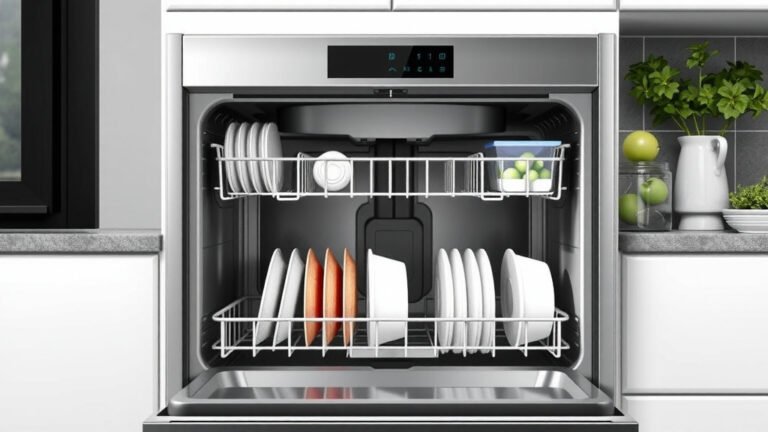
Your dishwasher has a filter designed to catch food particles. If this filter gets clogged, water can’t drain out properly. It’s often the easiest fix. You’ll typically find it at the bottom of the dishwasher tub, underneath the lower spray arm.
Locating and Removing the Filter
Most manufacturers place the filter in the bottom of the dishwasher. It usually twists out. Some models might have a larger cylindrical filter and a smaller, flatter one underneath it. Carefully twist and lift them out.
Cleaning the Filter
Once removed, take the filter to your sink. Use a soft brush (like an old toothbrush) and warm, soapy water to scrub away any food debris. Rinse it thoroughly. For really stubborn gunk, you can soak it in a vinegar-water solution for a bit. We found this helps break down grease.
Reinstalling the Filter
Make sure the filter is completely dry. Then, place it back into its housing and twist it securely. An improperly seated filter won’t work right and might even come loose during a cycle. You should hear a slight click or feel it lock into place.
Step 2: Checking the Drain Hose
The drain hose carries water from your dishwasher to your sink’s plumbing or garbage disposal. A kink or blockage in this hose can stop the draining process. You’ll usually need to pull your dishwasher out slightly from the cabinet to access it.
Identifying a Kinked Hose
Carefully pull your dishwasher out. Look behind it for the drain hose, which is typically a corrugated plastic tube. Is it bent sharply or crushed? Gently straighten any kinks you find. Sometimes, just unkinking it solves the whole problem!
Inspecting for Blockages
If there are no kinks, the hose might be blocked internally. To check, disconnect the hose from the dishwasher end (you might need a screwdriver or pliers for the clamp) and the sink drain end. Try blowing through it. If you can’t, there’s a blockage. You can try flushing it with water or using a long, flexible tool to dislodge it. Many experts recommend using a plumber’s snake for tougher clogs (CDC).
Reconnecting the Hose
Once you’re sure the hose is clear, reconnect it securely at both ends. Make sure the clamps are tight. A loose connection can lead to leaks, and nobody wants that. You might want to run a quick test cycle to check for drips.
Addressing Plumbing and Garbage Disposal Connections
Sometimes, the issue isn’t within the dishwasher itself but where it connects to your home’s plumbing. This is a very common point of failure. We found that many people overlook this area.
Checking the Sink Drain Connection Point
Your dishwasher’s drain hose likely connects to your kitchen sink’s plumbing, often via a barbed fitting on the drainpipe or through the garbage disposal. Look at where the hose attaches. Is there any visible debris, gunk, or a buildup of grime around this connection? Sometimes, food particles can get lodged right at the entry point.
Clearing Obstructions at the Connection
If you see buildup, you’ll need to disconnect the hose from this point. Be prepared for a little bit of water to spill out. Use a small brush or a bent wire to carefully clear away any obstructions. You can also try running hot water through the pipe opening to help flush things out. We found a little patience here goes a long way.
The Garbage Disposal Factor
Many dishwashers are plumbed into the garbage disposal. If your garbage disposal is clogged or hasn’t been run recently, it can prevent your dishwasher from draining. This is a frequent cause of dishwasher drainage problems.
Running the Garbage Disposal
First, try running your garbage disposal with cold water for about 30 seconds. This can clear out any minor blockages that might be backing up into the dishwasher drain line. If you have a newer garbage disposal, it might have a knockout plug that needs to be removed during installation if the dishwasher connects to it. If this plug wasn’t removed, it will block the drain.
Checking the Disposal’s Knockout Plug (If Applicable)
For new installations, a small plastic plug inside the dishwasher inlet on the garbage disposal must be removed. If this wasn’t done, the dishwasher can’t drain. You’ll need to disconnect the hose, remove the plug with pliers or a screwdriver, and then reconnect the hose. Always ensure the power to the disposal is off before attempting this (Energy.gov).
Common Blockage Points: A Quick Checklist
When your dishwasher won’t drain, focus your attention on these key areas:
- Dishwasher filter (clogged with food debris)
- Drain hose (kinked, bent, or internally blocked)
- Connection point at sink drain or garbage disposal (food buildup)
- Garbage disposal itself (clogged or knockout plug in place)
- Air gap (if your plumbing uses one, it can get clogged)
When to Consider Professional Help
You’ve tried cleaning the filter, straightening the hose, and checking the garbage disposal. What’s next? If you’ve gone through these steps and your dishwasher still won’t drain, it might be time to call in an expert.
Signs It’s Time for a Technician
Sometimes, the problem lies deeper within the dishwasher’s internal components. Issues with the drain pump, the check valve, or the main control board can cause draining problems. These are more complex repairs.
If you hear unusual noises like grinding or humming from the drain pump area, or if the dishwasher is displaying error codes related to draining, it’s a good indicator for professional service. Also, if you’re uncomfortable with any of the steps, especially working with plumbing connections or pulling the appliance out, don’t hesitate to get help.
Preventative Maintenance Tips
To avoid future draining headaches, make a habit of routine maintenance. We recommend regularly cleaning your dishwasher filter, typically every 1-3 months depending on usage. Scraping plates before loading also significantly reduces the strain on the filter and pump. Running your garbage disposal regularly helps keep that line clear. Simple habits can prevent most common dishwasher problems.
Conclusion
You’ve successfully navigated the common causes of a dishwasher not draining! We found that the culprit is often a simple blockage. By checking and cleaning your filter, inspecting the drain hose for kinks, and ensuring your garbage disposal is clear, you’ve likely restored your dishwasher’s function. Remember, a little regular maintenance can prevent future headaches. If these steps didn’t resolve the issue, don’t hesitate to call a professional technician. Get ready to enjoy spotless dishes again!
Frequently Asked Questions
How often should I clean my dishwasher filter?
We recommend cleaning your dishwasher filter every 1 to 3 months, depending on how often you use your dishwasher and what you typically run through it. Scraping plates before loading can extend the time between cleanings.
Can food scraps in the sink drain cause dishwasher draining problems?
Yes, absolutely. If food particles build up where the dishwasher drain hose connects to your sink’s plumbing or garbage disposal, they can create a blockage. Clearing this connection point is a common fix.
What’s the “knockout plug” on a garbage disposal, and why does it matter?
When a garbage disposal is installed with a dishwasher, a small knockout plug inside the disposal’s inlet must be removed. If it’s still in place, it will prevent any water from draining out of the dishwasher.
My dishwasher is making a grinding noise when it tries to drain. What could it be?
A grinding noise often indicates an issue with the drain pump. Something might be lodged inside the pump, or the pump itself might be failing. This is usually a sign that you need professional service.
Is it safe to try and clear a blockage in the drain hose myself?
For minor kinks or accessible blockages, it’s generally safe if you’re comfortable. However, if you need to disconnect the hose from the appliance or plumbing and feel unsure, it’s best to call a technician to avoid leaks or damage.