Dishwasher Stops Mid-Cycle: Common Causes & Fixes
Your dishwasher keeps stopping because of a common issue, often related to the door latch, water supply valve, or a clogged drain pump. These parts can prevent the machine from completing its cycle. It’s a frustrating problem, but usually fixable without calling a repair person.
When your dishwasher halts mid-cycle, it can really throw a wrench in your kitchen routine. We found that troubleshooting often involves checking a few key components first. These simple checks can save you time and money by identifying the most likely culprits for a dishwasher that won’t finish its job.
- Door latch problems
- Blocked water supply
- Clogged drain system
- Overloaded or poorly loaded tub
- Electronic control board issues
Let’s walk through exactly why your dishwasher might be stopping and how you can get it running smoothly again.
It’s incredibly annoying when your dishwasher just stops mid-cycle, right? You load it up, push start, and then… silence. Or worse, a strange noise and then silence. You’re left with dirty dishes and a machine that’s clearly not doing its job. Don’t worry, you’re not alone, and it’s usually not a sign of a major breakdown. We found that most stopping issues stem from a few common culprits. Let’s figure out why your dishwasher keeps quitting on you.
Understanding Why Your Dishwasher Might Be Stopping
When your dishwasher stops, it’s usually trying to tell you something’s wrong. It’s programmed to pause or shut down to prevent damage or to signal a problem it can’t fix on its own. These pauses often happen because a sensor has detected an issue, or a component isn’t working as it should. We found that most of these issues can be diagnosed with a little patience and a few simple checks.
The Door Latch: A Common Culprit
Think of the door latch as the dishwasher’s handshake. It needs to be securely engaged for the machine to think it’s safe to start a cycle. If the latch isn’t sensing a proper lock, the dishwasher will stop, often right at the beginning of the cycle.
Checking the Door Latch Mechanism
Your dishwasher has a **microswitch** inside the latch assembly. This switch tells the control board that the door is closed. If this switch is faulty, dirty, or out of alignment, the dishwasher won’t start or will stop soon after starting.
You might notice other signs like the dishwasher not starting at all, or having trouble completing the pre-wash phase. We found that sometimes, just wiping down the latch and the area where it connects can make a difference. Make sure there are no food particles or grime preventing a clean closure.
Signs of a Faulty Latch
Besides stopping mid-cycle, a faulty latch might mean your dishwasher won’t even start. You might also hear a faint click when you close the door, but nothing else happens. Sometimes, the control panel might flash error codes related to the door switch.
What to Do About Latch Issues
First, ensure the door is closing firmly. Sometimes, a rack that’s not pushed in properly can prevent the door from fully latching. If it still seems loose, you might need to inspect the latch mechanism for visible damage. If you see bent parts or loose screws, it could be the issue. Many times, cleaning the latch area is enough. If not, the switch itself may need replacement, which can be a DIY job for some, or a task for a repair technician.
Water Supply Problems
Your dishwasher needs a steady flow of water to run its cycles. If the water stops coming in, the dishwasher will pause or stop. This can happen for several reasons, and they’re often quite simple to fix yourself.
The Water Inlet Valve
This valve is where water enters your dishwasher from your home’s supply line. If this valve is clogged or faulty, water can’t get in. When the dishwasher tries to fill and can’t, it will stop. We found that mineral buildup is a common cause of clogging.
Checking Your Home’s Water Supply
Before looking at the dishwasher itself, check the water supply to your home. Is your main water valve turned on? Is there any work being done on your plumbing that might have shut off the water? A quick check of other faucets in your kitchen can tell you if the water pressure is normal.
The Dishwasher’s Water Supply Hose
There’s also a hose that connects your home’s water line to the dishwasher. This hose can become kinked or clogged. A kinked hose physically blocks the water flow. A clogged hose might have debris inside. We recommend gently pulling out the dishwasher a few inches (if possible and safe) to inspect this hose for any visible kinks or damage. Always turn off the water supply before disconnecting any hoses.
Troubleshooting the Inlet Valve
If the water supply to your home is fine and the hose is clear, the issue might be the water inlet valve itself. Sometimes, debris can get stuck in the valve’s screen. You can try to clean this screen. If the valve is old or damaged, it may need to be replaced. Many appliance repair sites offer guides on how to do this, and we found that a faulty valve is a common reason for a dishwasher not filling.
Clogged Drain System
For your dishwasher to continue its cycle, it needs to drain the dirty water. If the drain pump or hose is clogged, the dirty water can’t be removed. The dishwasher will sense this and stop. This is a very common reason for stopping, especially after the wash cycle is complete.
The Drain Pump and Filter
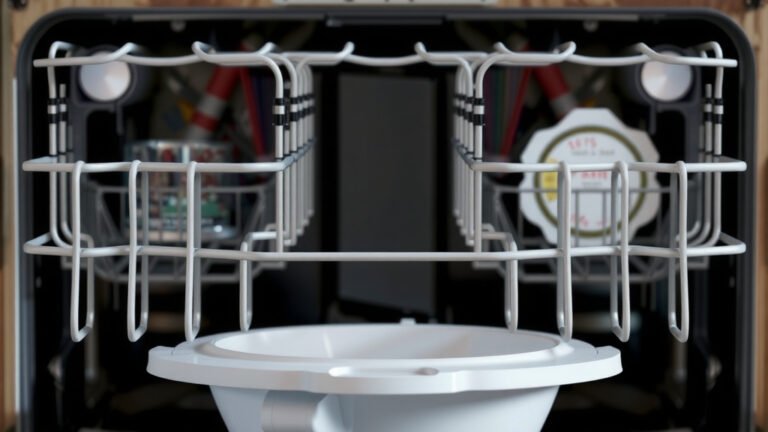
Most dishwashers have a filter at the bottom that catches food particles. This filter needs regular cleaning. If it’s full, water can’t reach the drain pump efficiently, or the pump itself can get clogged with debris. We found that a dirty filter is responsible for many draining issues.
Cleaning the Filter
Locate the filter at the bottom of your dishwasher tub. It usually twists or lifts out. Rinse it under running water and remove any trapped food or gunk. Many experts say cleaning this filter once a month can prevent a lot of problems. Always consult your dishwasher’s manual for specific filter cleaning instructions.
Checking the Drain Hose
The drain hose carries water from the pump to your sink’s drain or garbage disposal. This hose can become kinked or clogged with grease and food debris. If the hose is clogged, the water has nowhere to go. You might need to disconnect the hose (again, turn off water and power first) and check it for blockages. We found that a clog here can cause the dishwasher to stop and even back up water into the tub.
The Drain Pump Itself
If the filter is clean and the hose is clear, the drain pump might be the issue. The pump can get jammed with small objects like glass shards or pits. In some cases, the pump motor might fail. If you can’t hear the pump running during the drain cycle, it might be jammed or broken. Many repair guides show how to access and check the pump impeller for obstructions.
Overloading or Improper Loading
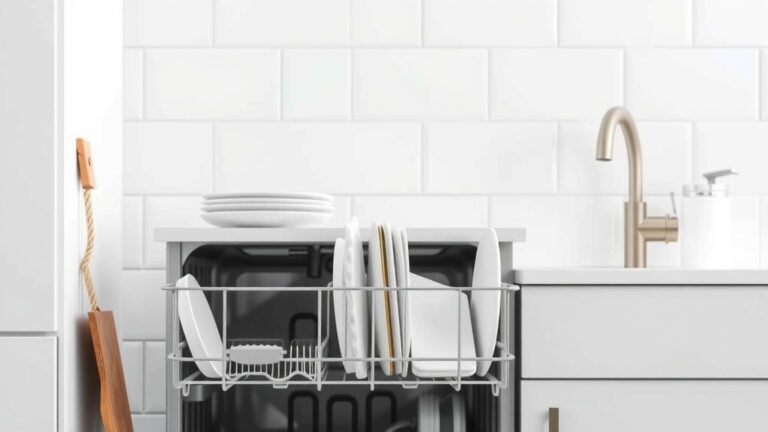
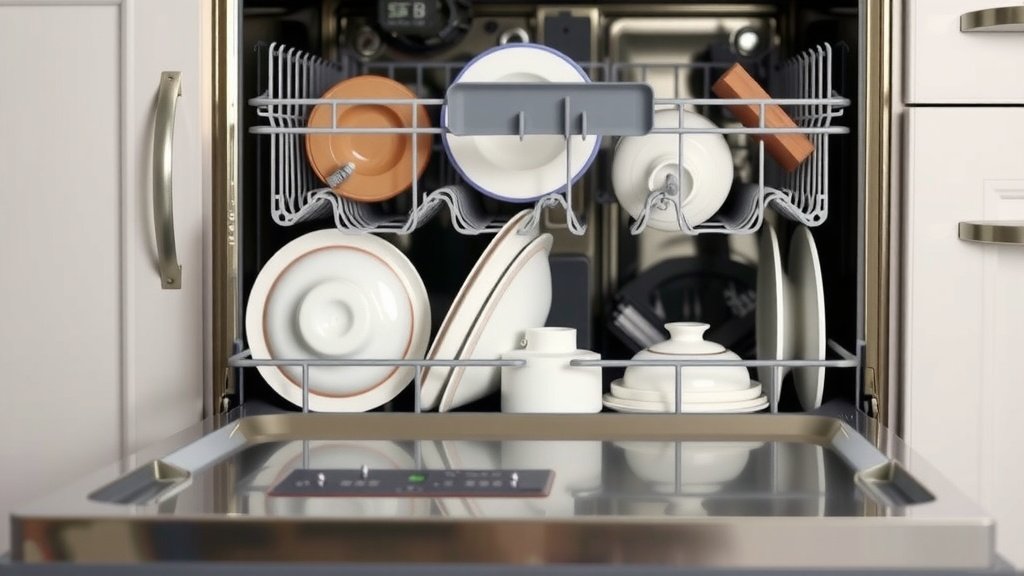
Sometimes, the simplest explanation is the correct one. If you overload your dishwasher or load it improperly, it can prevent the spray arms from rotating freely or cause water to splash onto the control panel. This can interfere with the cycle and cause the machine to stop. We found that good loading habits are key to a smooth cycle.
How Loading Affects Performance
When dishes are packed too tightly, water can’t circulate effectively. This means not only will your dishes not get clean, but the machine might struggle. If a large item blocks a spray arm, it might stop rotating. This can cause sensors to detect an issue. Also, ensure no tall items are preventing the door from closing and latching properly.
Tips for Better Loading
- Don’t overcrowd the racks.
- Make sure spray arms can spin freely.
- Place larger, dirtier items on the bottom rack.
- Face heavily soiled surfaces towards the spray arms.
- Ensure nothing is blocking the detergent dispenser.
Electronic Control Board Issues
While less common, the electronic control board is the “brain” of your dishwasher. If it malfunctions, it can cause all sorts of erratic behavior, including stopping mid-cycle. This is usually the last thing to suspect, after ruling out mechanical issues.
When to Suspect the Control Board
If you’ve checked the door latch, water supply, drain system, and loading, and your dishwasher still stops, the control board might be the culprit. Other signs can include random error codes, the dishwasher not responding to button presses, or completely shutting down without warning. We found that moisture or power surges can damage these boards.
Consulting your dishwasher’s manual for error codes can be helpful here. If you see codes pointing to sensor failures or communication issues, it might indicate a control board problem. Repairing or replacing a control board is typically a job for a qualified technician.
Quick Checklist: Is Your Dishwasher Stopping?
Here’s a quick way to troubleshoot your dishwasher stopping mid-cycle:
- Check the door latch: Is it clean and closing securely?
- Inspect water supply: Is water flowing to your home and is the hose clear?
- Clean the filter: Remove and rinse the filter at the bottom of the tub.
- Verify spray arm movement: Can they spin freely without hitting dishes?
- Listen for the drain pump: Can you hear it trying to drain water?
- Look for error codes: Does the display show any unusual messages?
Conclusion
You’ve learned that your dishwasher stopping mid-cycle is usually due to a few common issues. We’ve covered the door latch, water supply, and drain system as primary suspects. Don’t forget about simple things like proper loading. These checks can often save you a repair call. If you’ve tried these steps and the problem persists, it might be time to consult your manual for error codes or consider calling a professional for more complex issues like a control board problem. You’ve got this!
Frequently Asked Questions
Why does my dishwasher stop and make a beeping noise?
A beeping noise often indicates an error. We found that this usually points to a specific problem the dishwasher has detected, such as a door not latching properly or a water fill issue. Check your dishwasher’s manual for the meaning of the specific beep pattern.
My dishwasher stops filling with water. What should I check first?
First, ensure your home’s main water supply valve is fully open. Next, inspect the water inlet hose for kinks or blockages. We also recommend checking your home’s water pressure by testing other faucets. If those are fine, the dishwasher’s water inlet valve might need attention.
Can a clogged drain cause my dishwasher to stop?
Yes, absolutely. If the dirty water can’t drain out, the dishwasher will stop to prevent overflow or damage. You should regularly clean the filter at the bottom of the tub. We also found that checking the drain hose for clogs or kinks is essential.
What if my dishwasher stops immediately after I start it?
This often points to an issue with the door latch. We suggest ensuring the door is completely closed and latched securely. Sometimes, debris on the latch mechanism can prevent a proper connection. If the door seems fine, the internal door switch might be faulty.
Is it safe to run my dishwasher if it keeps stopping?
It’s generally not recommended to repeatedly run a dishwasher that’s stopping mid-cycle. We found that continuing to run it could potentially cause further damage to components like the motor or control board. It’s best to diagnose and fix the underlying problem first.