Can You Run a Dishwasher Without a Kitchen Sink? Yes—Here’s How
Yes, you can use a dishwasher without a kitchen sink. Most dishwashers connect to their own water line and drain hose, so the sink isn’t actually required for the machine to run. The catch is that you still need a way to drain the wastewater somewhere safe.
We researched how these setups work, and we found that many people run dishwashers during kitchen renovations or in homes with a broken sink. The key is routing the drain hose to an approved spot, like a standpipe or a floor drain. Some homeowners even use a freestanding tub or bucket as a temporary fix. Sound a little unusual? It’s more common than you’d think.
- Dishwashers can run without a sink because they use their own water supply line.
- The wastewater still needs somewhere to go, like a standpipe or floor drain.
- Portable dishwashers are an easy option when your sink is out of commission.
- Improper drainage can cause water damage or plumbing code issues.
- You can hand-fill some models, but it’s slow and not ideal for daily use.
Below, we break down everything you need to know about running a dishwasher without a sink, including your best options and a few mistakes to avoid. Let’s get into it.
Running a Dishwasher When Your Sink Is Out of Order
Yes, it works. A dishwasher pulls water from its own supply line, not from your sink faucet. So as long as the machine can drain somewhere safe, you’re good to go. We found that the sink only matters in two ways: it’s a handy place for the drain hose, and it’s where most people scrape and rinse dishes first.
Think of your sink as a coworker who shows up to help, not someone the dishwasher actually depends on. Miss them? Sure. Need them? Not really.
How a Dishwasher Connects to Your Plumbing
Understanding the setup makes everything easier. Your dishwasher has three connections: a hot water supply line, a drain hose, and power. Notice what’s missing there? A direct link to your sink basin.
Where the Water Comes In
The supply line usually taps into the hot water line under your sink, but it can also connect elsewhere. Many homeowners run the line from a nearby utility area. The machine doesn’t care where the water comes from, as long as it arrives with decent pressure.
Where the Water Goes Out
The drain hose is the part that makes things interesting. Most setups loop the hose to the sink drain or garbage disposal. Without a sink, you just need another approved exit point for that wastewater.
Your Best Options for Draining Without a Sink
We researched the most common workarounds, and a few clear winners emerged. Pick based on whether your situation is temporary (a renovation) or long-term (an off-grid setup).
Using a Standpipe
A standpipe is a vertical pipe connected to your home’s drain system. It’s basically the same pipe your washing machine drains into. If you have laundry nearby, this is often the easiest and most code-friendly option.
Here’s the catch: the hose needs a high loop, usually 20 inches or more above the floor. That air gap stops dirty water from siphoning back into your clean machine. Many local plumbing codes require this (U.S. Plumbing Code guidelines).
Draining to a Floor Drain
Got a floor drain in your kitchen, basement, or utility room? You’re in luck. Route the drain hose to it, secure it so it can’t slip out, and keep that high loop if the code requires it. Gravity does the rest.
Temporary Fixes: Buckets and Tubs
Sometimes you just need to get through a week of sink replacement. A large utility tub or heavy-duty bucket works as a short-term catch basin. Drain into it, then dump the water down a toilet or bathtub.
Is this glamorous? Absolutely not. Does it work? We found plenty of renovation stories where it saved the day. Just watch the water level, since a full dishwasher can push out several gallons per cycle.
Portable and Countertop Dishwashers: The Easy Route
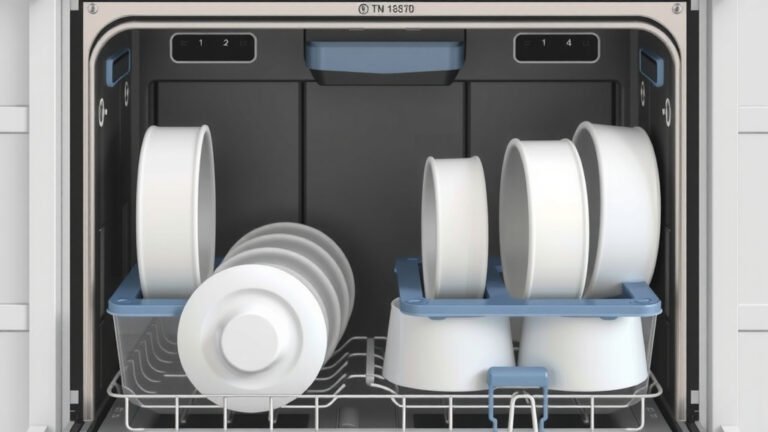
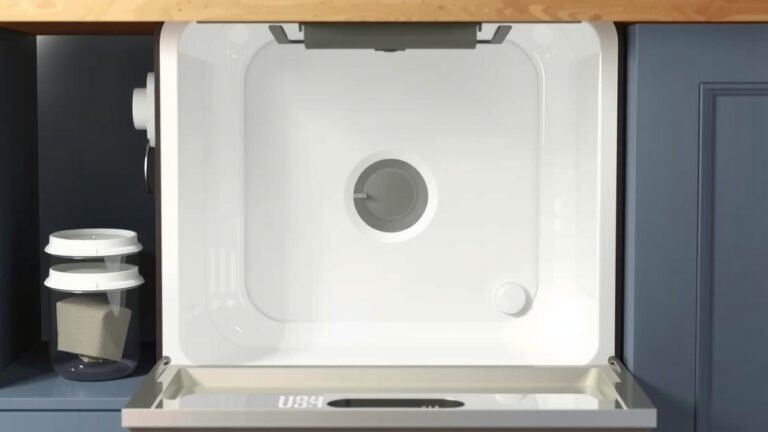
If a built-in unit feels like too much hassle, a portable dishwasher sidesteps the problem entirely. These models hook to your faucet, and since yours is out of commission, many can also be hand-filled or connected to a separate water source.
Countertop models are smaller and lighter. They hold maybe two place settings’ worth of dishes, but for a single person or a couple during a renovation, that’s often plenty.
Hand-Filling: A Last Resort
Some portable units let you pour water directly into a reservoir. It’s slow, and you’ll need hot water, which means hauling kettles or pots from the bathroom. Most experts say this works fine occasionally, but it gets old fast for daily use.
Mistakes to Avoid When Running a Dishwasher Without a Sink
A few small slip-ups can turn a clever workaround into a soggy mess. We found these are the most common problems:
- Skipping the high loop on the drain hose, which lets dirty water flow back into the machine.
- Letting the hose end sit in standing water, which can cause backflow and contamination.
- Using a bucket that’s too small and flooding your floor mid-cycle.
- Leaving the hose unsecured so it pops out and sprays wastewater everywhere.
- Connecting to a drain line that can’t handle the volume, causing backups.

Quick Checklist Before You Run Your First Cycle
Ready to give it a shot? Run through this list first:
- Confirm the drain hose end sits above the water level of your drain point.
- Secure the hose with a zip tie or clamp so it can’t wiggle loose.
- Check your local plumbing code for air gap requirements.
- Make sure the supply line valve is fully open.
- Stay nearby for the first cycle, just in case something leaks.
- Have a mop and towel handy. Trust us on this one.
Health and Safety Considerations
Wastewater from a dishwasher carries food particles and bacteria. The CDC notes that standing wastewater can harbor germs, so don’t let it sit around your kitchen longer than necessary. Dump catch-basin water promptly and rinse the container.
Also, keep the drain area clean and dry between cycles. Damp floors are slip hazards, and nobody wants a broken sink and a bruised tailbone.
When to Call a Plumber Instead
Some jobs are worth handing off. If you’re planning a permanent drain line reroute, or if your local code requires permitted work, a licensed plumber is the safe bet. We found that many homeowners try DIY fixes first, then wish they’d called sooner when a slow leak causes hidden water damage inside a wall.
A good rule of thumb: temporary fixes are fine for a week or two. Anything beyond that deserves professional eyes.
Comparing Your Drainage Options at a Glance
Still deciding? Here’s a quick side-by-side look at the most common setups.
| Option | Best For | Difficulty | Code-Friendly? |
|---|---|---|---|
| Standpipe | Long-term setups near laundry lines | Moderate | Yes, usually |
| Floor drain | Kitchens with existing floor drains | Easy | Often yes |
| Utility tub or bucket | Short renovations and emergencies | Easy | Temporary only |
| Portable dishwasher | Renters and small households | Easy | Not usually needed |
| New drain line | Permanent no-sink kitchens | Hire a pro | Yes, with permit |
Whatever route you pick, the takeaway is the same. Your dishwasher is more independent than you thought. Give it a proper way in and a proper way out, and it’ll keep churning out clean dishes, sink or no sink.
Conclusion
You can absolutely run a dishwasher without a kitchen sink. The machine only needs a water supply line, a safe drain point, and power. We found that a standpipe or floor drain handles long-term setups well, while a bucket or utility tub gets you through a short renovation. Portable dishwashers offer an even simpler path if you’d rather skip plumbing altogether. Just don’t skip the high loop on your drain hose, and call a plumber for anything permanent. Your next step? Check what drain option you have nearby, secure that hose, and run a test cycle with a towel in hand. You’ve got this.
Frequently Asked Questions
Can I run my dishwasher during a kitchen remodel?
Yes, as long as the water supply stays connected and the drain hose has somewhere to go. Many people keep their dishwasher running through a sink replacement by draining into a utility tub. Just make sure the setup stays code-compliant if an inspector will be involved.
Will my dishwasher drain into a washing machine standpipe?
In most cases, yes, and it’s one of the most code-friendly options. The standpipe must be large enough and tall enough to handle the dishwasher’s drain volume. Check your local plumbing code first, since some areas have rules about combining drain lines.
How many gallons of water does a dishwasher cycle use?
Most modern dishwashers use between three and five gallons per cycle. Older models can use quite a bit more. That matters a lot if you’re draining into a bucket, so size your catch basin accordingly.
Do I need an air gap if I don’t have a sink?
Possibly, depending on where you live. Many U.S. states require an air gap or a high loop to prevent dirty water from siphoning back into your dishwasher. A quick call to your local plumbing office can save you a headache later.
Can a portable dishwasher work in an apartment with no hookups?
Yes, countertop models are often the easiest choice for renters. Some can be hand-filled with hot water, and others connect to a bathroom or laundry faucet with an adapter. Just check the hose fittings before you buy so you know what adapters you’ll need.