Dishwasher Leak Detection: How It Works
Yes, many modern dishwashers have built-in leak detection features. These systems use sensors to spot water where it shouldn’t be. They can then automatically stop the cycle and even shut off the water supply to prevent a major flood.
This handy feature gives you extra peace of mind. It’s designed to catch small drips before they become big problems. Many homeowners find this aspect of their dishwasher a real lifesaver, saving them from costly water damage and stressful cleanup.
- Dishwasher leak detection stops floods.
- Sensors find water leaks.
- The machine can shut off water automatically.
- It’s a great safety feature for your home.
Let’s walk through exactly how these clever leak detection systems work and what you should know about them.
You’re probably familiar with that sinking feeling. You hear a drip, drip, drip, and your mind immediately goes to the worst-case scenario. Water damage can be a homeowner’s nightmare. That’s why having a dishwasher with a built-in leak detection system is such a smart idea. It’s like having a tiny, vigilant guard protecting your kitchen floor.
How Your Dishwasher Stays Dry
These smart systems are designed to keep an eye on things. They use special sensors to sniff out any moisture where it shouldn’t be. Think of them as tiny water detectives.
The Science Behind the Sensors
Most leak detection systems rely on one of two main types of sensors. You’ll often find a float switch or a conductive sensor. Both do a great job of alerting the dishwasher to a problem.
Float Switch: The Buoyant Guardian
A float switch works a lot like the one in your toilet tank. It’s a small ball or rod that rests on the water’s surface. If water levels rise too high, the float rises with it. This movement triggers a switch. That switch then signals the dishwasher to stop its cycle. We found this to be a very reliable method for detecting overflow situations.
Conductive Sensors: The Electrical Detectives
Conductive sensors use the fact that water conducts electricity. These sensors have two metal contacts. When water touches both contacts, it completes an electrical circuit. This change is detected by the dishwasher’s control panel. It’s a quick and efficient way to spot leaks. Many manufacturers prefer this method for its speed.
What Happens When a Leak is Detected?
Once a leak is spotted, the dishwasher doesn’t just ignore it. It takes immediate action to prevent more water from escaping. This is where the real magic happens.
Stopping the Water Flow
The first thing your dishwasher will do is stop the wash cycle. It won’t keep filling or spraying water. This immediate halt is critical in preventing a small leak from becoming a large flood. It’s like hitting the pause button before things get out of hand.
Draining the Existing Water
In many cases, the dishwasher will also try to drain any excess water that has already accumulated. This helps to reduce the volume of water that could potentially spill out. Some systems are designed to pump water out through the drain hose.
Shutting Off the Water Supply
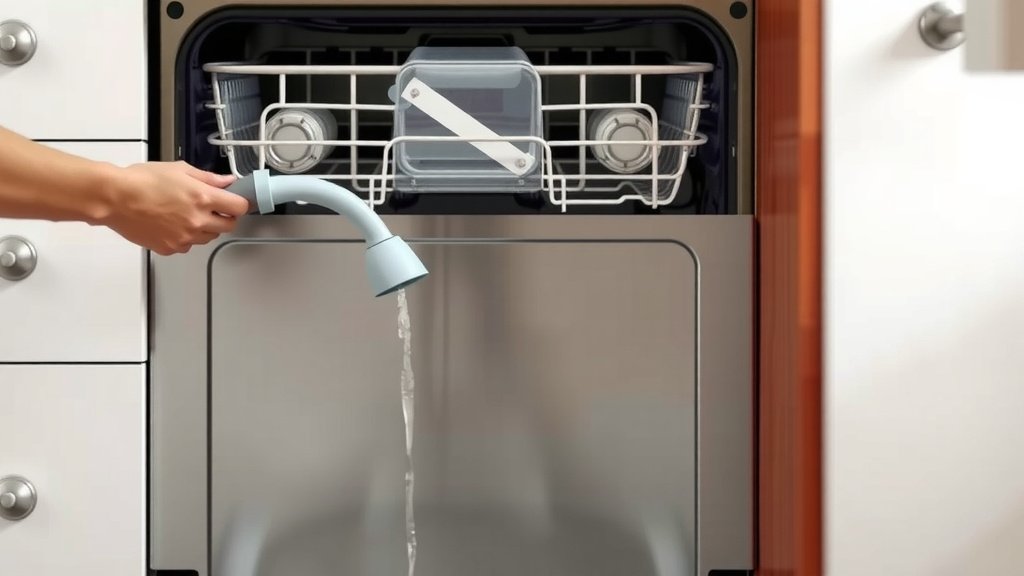
The most advanced leak detection systems can even shut off the main water supply to the dishwasher. They do this by activating a special valve. This valve is usually located in the inlet hose. It completely stops water from entering the appliance. This is the ultimate failsafe, providing maximum protection against flooding.
Types of Leak Detection Systems
Not all leak detection systems are created equal. They can vary in their complexity and capabilities. Understanding the different types can help you appreciate the technology.
Integrated Systems
Many modern dishwashers come with built-in leak detection as a standard feature. These systems are fully integrated into the appliance. They are designed to work seamlessly with the dishwasher’s controls. You typically don’t need to do anything special to activate them. They are always on guard.
Add-On Devices
For those who have older dishwashers without built-in protection, there are external leak detectors. These are separate devices you can place near your dishwasher. They often work by sounding an alarm when they detect moisture. Some can even be linked to smart home systems to send you alerts.
We found that while add-on devices offer a good backup, an integrated system provides a more comprehensive solution. It offers a higher level of automation and protection.
Benefits of Having Leak Detection
The advantages of this feature go beyond just preventing a messy kitchen. It offers a sense of security and can save you a lot of trouble.
Preventing Costly Water Damage
The most obvious benefit is avoiding water damage. A small leak can go unnoticed for hours, leading to warped flooring, damaged cabinets, and even structural issues. The U.S. Federal Emergency Management Agency (FEMA) often reports that water damage is one of the most common and expensive types of home insurance claims.
Peace of Mind
Knowing your dishwasher is actively monitoring for leaks brings significant peace of mind. You can run a load of dishes without constantly worrying about a potential flood. This is especially helpful when you’re away from home. You won’t have to come back to a soggy surprise.
Water Conservation
By stopping leaks quickly, these systems also help conserve water. Even a small drip can waste a surprising amount of water over time. This is good for your water bill and the environment. Many experts say that reducing water waste is an important step towards sustainability.

Maintaining Your Dishwasher’s Leak Detection
Like any feature, leak detection systems work best when properly maintained. A little care goes a long way.
Regular Cleaning is Key
Keep the area around your dishwasher clean. Debris can sometimes interfere with sensors, especially float switches. Periodically check the area where the float is located. A quick wipe-down can prevent potential issues.
Check Drain Hoses
Ensure your dishwasher’s drain hose is not kinked or blocked. A compromised drain hose can contribute to water buildup. This can sometimes trigger the leak detection system unnecessarily.
Test the System (If Possible)
Some manufacturers suggest periodically testing the leak detection system. This might involve carefully adding a small amount of water to the base of the dishwasher to see if the float switch engages or if an alert is triggered. Always consult your owner’s manual for specific instructions on testing your model. We found that user manuals are the best resource for this.
Know Your Error Codes
If your dishwasher’s leak detection system activates, it might display an error code. Familiarize yourself with what these codes mean. Your owner’s manual will have a list. This can help you understand the problem and what steps to take next. For example, an “E15” error on some Bosch models indicates a leak in the base pan.
When to Call a Professional
If your leak detection system repeatedly triggers or you suspect a persistent leak, it’s time to call a qualified appliance repair technician. They have the tools and expertise to diagnose and fix more complex issues. Don’t try to force the system to reset if it keeps alarming. It’s usually a sign of a real problem needing attention.
Here’s a quick checklist to keep your leak detection system in tip-top shape:
- Clean the sensor area regularly.
- Ensure the drain hose is free from kinks.
- Check for any visible water around the dishwasher base.
- Refer to your manual for specific testing procedures.
- Understand your dishwasher’s error codes.
- Don’t ignore persistent leak alerts.
Conclusion
Your dishwasher’s leak detection feature is a smart defense against messy and costly water damage. You’ve learned how sensors like float switches and conductive probes work to spot leaks. You also know what happens when a leak is found—from stopping the cycle to shutting off the water supply. Keeping this system maintained is simple. Regular cleaning and checking hoses ensure it’s always ready. Think of it as a small investment in protecting your home. Your next step? Check your owner’s manual. Make sure you understand your specific model’s leak detection system and any associated error codes.
Frequently Asked Questions
How often should I test my dishwasher’s leak detection system?
Consult your owner’s manual for specific testing recommendations. Some manufacturers suggest periodic checks. You might be able to gently add a small amount of water to the base to see if the system alerts. Always follow your manual’s guidance to avoid damaging the unit.
Can a clogged drain hose trigger a false leak alert?
Yes, a severely clogged or kinked drain hose can cause water to back up. This excess water might reach the leak sensors. It can then trigger the leak detection system unnecessarily. Regularly inspect and clean your drain hose to prevent this.
What should I do if my dishwasher’s leak detection system keeps going off?
If your leak detection system repeatedly alerts you, do not ignore it. It usually indicates a real issue. It’s best to turn off the water supply to the dishwasher and call a qualified appliance repair technician. They can properly diagnose and fix the problem.
Are external leak detectors as effective as built-in systems?
External leak detectors offer an added layer of protection, especially for older models. However, built-in systems are generally more effective. They offer greater automation and quicker response times. External devices typically sound an alarm or send a notification.
Will my dishwasher automatically shut off if it detects a leak while I’m not home?
Most modern dishwashers with integrated leak detection will automatically stop the cycle and attempt to shut off the water supply if a leak is detected. This is one of their primary benefits. It provides protection even when you are away.