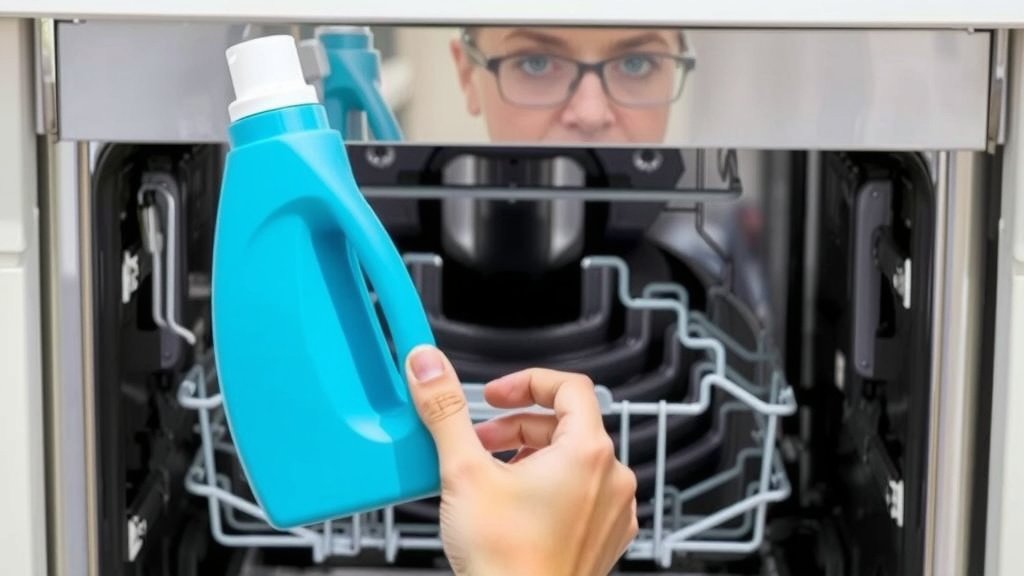
Dishwasher Detergent Dispenser Stuck Troubleshooting Guide
If your dishwasher detergent dispenser is stuck, the most common reason is that food debris or hardened detergent is jamming the mechanism. You can usually fix this by simply cleaning the dispenser area thoroughly with warm, soapy water and a soft cloth. Sometimes, a quick rinse cycle can dislodge minor blockages.
A stuck dispenser means your dishwasher won’t get the cleaning power it needs. This can leave your dishes dirty and require you to run them again. We found that many common issues are often quite simple to resolve yourself. Ensuring your dispenser opens properly is key for a sparkling clean load of dishes.
- Stuck dispenser often means food or dried soap is in the way.
- Cleaning with warm, soapy water is usually the fix.
- A quick rinse cycle might help too.
- A working dispenser is vital for clean dishes.
Let’s walk through exactly how to get that sticky dispenser working smoothly again, step by step.
Troubleshooting Your Dishwasher’s Sticky Detergent Dispenser
Is your dishwasher’s detergent dispenser acting like a stubborn toddler? We’ve all been there. A stuck dispenser is frustrating because it means your dishes might not come out as clean as you’d hoped. The good news is, most of the time, this is a fix you can handle yourself without calling a repair person. Let’s get that dispenser popping open again!
Why Your Dishwasher Detergent Door Won’t Open
Several common culprits can cause your detergent dispenser to refuse to budge. Think of it like a tiny door that needs a clear path to swing open. When something blocks that path, it gets stuck.
The Usual Suspects: What’s Jamming It?
Often, the problem is surprisingly simple. Food particles or dried-on detergent can accumulate around the dispenser’s opening mechanism. Over time, this gunk hardens like cement, preventing the door from releasing. Often, the problem is surprisingly simple, with dried-on detergent preventing the dispenser from opening.
We’ve found that the rinse aid compartment is also a frequent offender. If you use too much rinse aid, or if it leaks, it can dry into a sticky residue. This residue can gum up the dispenser’s latch or spring. It’s like trying to open a door that’s been glued shut.
Sometimes, the issue isn’t food or soap at all. It could be a mechanical problem. A broken spring or a bent latch can also keep that dispenser door firmly closed. This is less common than simple gunk, but it’s a possibility.
How to Tell What’s Wrong
Before you dive in, a quick visual inspection can help. Look closely at the dispenser door and the surrounding area. Do you see any visible food bits? Is there a crusty buildup of detergent or rinse aid?
Try gently wiggling the dispenser door with your finger. Does it feel loose or stiff? If it moves easily but just won’t spring open, it might be a spring issue. If it feels completely locked and immovable, it’s likely a blockage. Many dishwasher experts suggest this initial check helps narrow down the solutions.
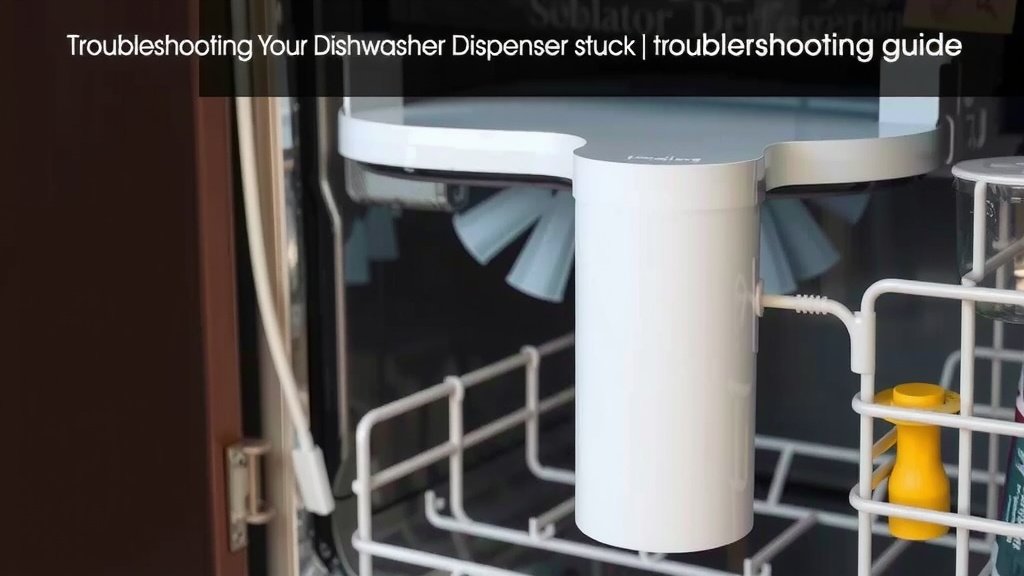
Step-by-Step Guide to Unsticking Your Dispenser
Ready to tackle this? Don’t worry, it’s not rocket science. We’ll guide you through the easiest fixes first.
Step 1: The Gentle Cleaning Method
This is your first line of defense. You’ll need some warm water, a soft cloth, and a bit of dish soap. If you have an old toothbrush, that’s even better for tight spots.
Start by removing any loose debris you can see. Then, dampen your cloth with warm, soapy water. Gently wipe down the dispenser door, the edges, and the area around the latch. Pay special attention to any crevices where gunk might hide.
For stubborn buildup, dip your toothbrush into the soapy water and gently scrub the affected areas. Be careful not to force anything or scratch the plastic. You’re aiming to dissolve the hardened residue.
After scrubbing, wipe everything clean with a damp cloth. Ensure no soap residue is left behind. We found that for many sticky dispensers, this simple cleaning is all that’s needed.
Step 2: The Vinegar Trick for Tough Residue
If soap and water didn’t quite cut it, vinegar is your next best friend. White vinegar is excellent at breaking down mineral deposits and hardened detergent. It’s a natural cleaner that many household repair guides recommend.
You can apply vinegar in a couple of ways. One method is to soak a paper towel or a small cloth in white vinegar. Then, place this damp cloth over the dispenser area, especially around the latch and edges. Let it sit for about 15-30 minutes. This allows the vinegar to work its magic on the hardened residue.
After soaking, use your soft cloth or toothbrush to gently scrub away the loosened gunk. Rinse the area thoroughly with plain water afterward. This is important because you don’t want your next load of dishes to smell like a salad dressing.
Step 3: Running a Rinse Cycle (The “Wake-Up Call”)
Sometimes, the dispenser just needs a little nudge from the dishwasher itself. After cleaning, try running a quick rinse cycle. This can help flush away any remaining small particles that might be causing the jam.
Add a small amount of liquid dishwasher detergent to the main wash compartment (or even a tiny bit in the dispenser itself, if you can get it open). Run the dishwasher on a short rinse or express cycle. Keep an eye on the dispenser door during the fill and wash phases. You might hear or see it pop open during the cycle.
Step 4: Checking the Spring and Latch Mechanism
If cleaning doesn’t solve the problem, you might be dealing with a mechanical issue. This requires a closer look at the dispenser’s moving parts.
Accessing the Dispenser Mechanism
On most dishwashers, the dispenser assembly can be accessed by opening the dishwasher door and looking at the inner side of the door panel. You might need to remove a few screws to expose the back of the dispenser. Consult your dishwasher’s manual for specific instructions on how to do this safely. Many appliance manuals can be found online if you’ve lost yours.
Inspecting the Spring and Latch
Once you can see the mechanism, check the small spring that helps the door pop open. Has it come loose? Is it broken? Also, inspect the latch itself. Is it bent or obstructed by something inside the mechanism?
If a spring is detached, you might be able to reattach it. If it’s broken, you’ll likely need to replace the entire dispenser assembly. Likewise, if the latch is damaged, it will probably need replacing. Some online resources and repair sites show common replacement parts for various dishwasher models.
If you find a foreign object jamming the mechanism, carefully remove it. Sometimes a small piece of plastic or a stray utensil fragment can get lodged in there.
Step 5: Testing and Prevention
After you’ve completed your cleaning or repair, test the dispenser. Manually push the door closed. It should click securely. Then, gently press the release tab or button. The door should spring open smoothly. If it still feels stiff, you might need to repeat the cleaning process or consider a mechanical issue.
Tips for Keeping Your Dispenser Working Smoothly
Preventing future problems is easier than fixing them! Here are a few tips we found helpful:
- Wipe up spills immediately: Don’t let liquid detergent or rinse aid dry around the dispenser.
- Don’t overfill: Using too much detergent or rinse aid can lead to buildup.
- Clean regularly: A quick wipe-down every few weeks can make a big difference.
- Scrape dishes: While modern dishwashers are great, large food chunks can still cause issues.
- Check dispenser seal: Ensure the rubber seal around the dispenser is clean and not damaged.
By following these steps, you should be able to get your dishwasher detergent dispenser working like new again. A clean, functioning dispenser means cleaner dishes and fewer headaches for you!
Conclusion
We know how frustrating a stuck dishwasher detergent dispenser can be. It’s a common problem, but usually a simple fix. Remember, most times, a good cleaning with warm, soapy water or a bit of vinegar will get things working again. If not, a quick check of the spring and latch mechanism might be needed.
By following these steps, you’ve taken charge of a common household annoyance. Keep up with regular, simple maintenance, like wiping up spills and not overfilling, and your dispenser should serve you well. Now, go enjoy those sparkling clean dishes!
Frequently Asked Questions
Can I use anything other than dish soap to clean the dispenser?
Yes, white vinegar is excellent for breaking down stubborn, dried-on detergent and mineral deposits. You can soak a cloth in vinegar and place it over the dispenser for about 15-30 minutes to loosen tough gunk before scrubbing.
My dispenser still won’t open after cleaning. What’s next?
If cleaning doesn’t do the trick, the problem might be mechanical. Carefully inspect the small spring and latch mechanism behind the dispenser door. A loose, broken spring or a bent latch could be the culprit. You might need to consult your dishwasher’s manual for access and potential replacement.
How often should I clean my dishwasher’s detergent dispenser?
A quick wipe-down of the dispenser area every few weeks is a good preventative measure. This helps avoid buildup that can lead to it getting stuck in the first place. Pay attention to it if you notice any spills.
Is it safe to run my dishwasher if the dispenser is stuck?
No, it’s not ideal. If the dispenser is stuck closed, your dishes won’t get any detergent. You’ll likely end up with dirty dishes and have to run another cycle. It’s best to fix the dispenser before running a full wash.
My dishwasher dispenser is stuck, but I don’t see any food debris. What else could it be?
Besides food debris, hardened detergent or excess rinse aid can cause a sticky residue. It’s also possible that a mechanical issue, like a faulty spring or a bent latch, is preventing the door from opening, even if there’s no visible gunk.