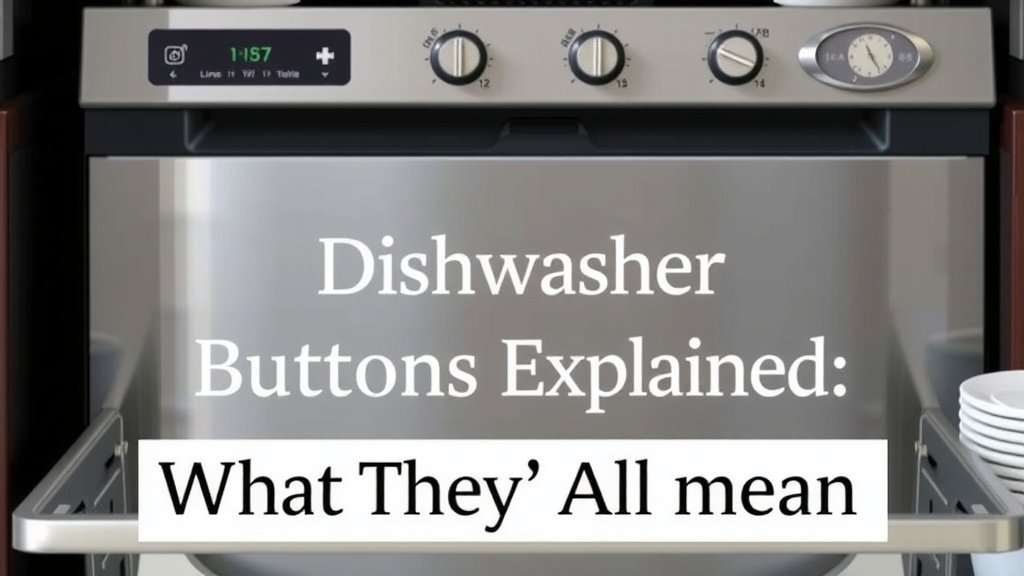
Dishwasher Buttons Explained: What They All Mean
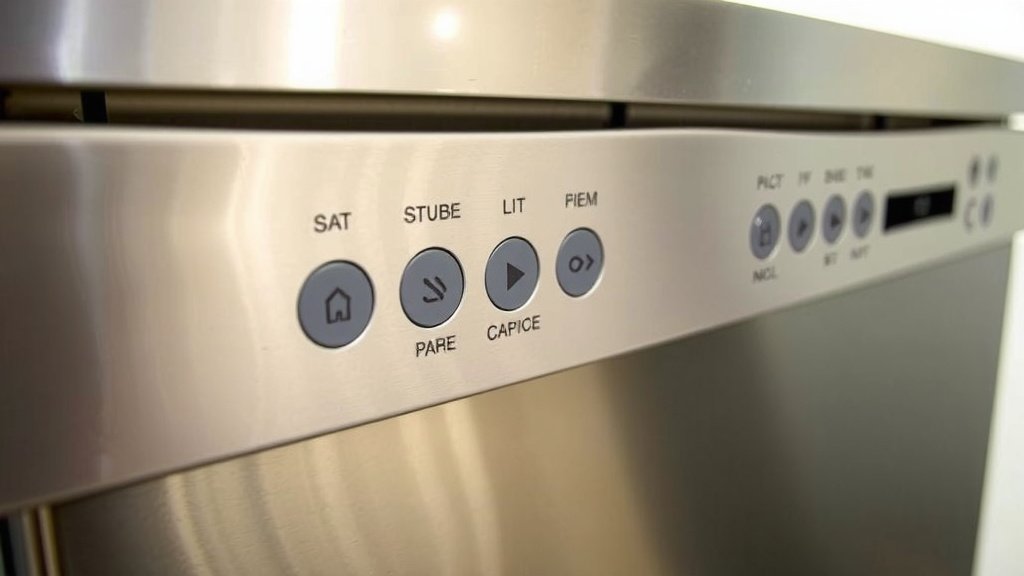
Understanding your dishwasher buttons can make a huge difference. Most buttons activate specific wash cycles designed for different types of loads. Knowing what each one does helps you get cleaner dishes more efficiently.
Your dishwasher might seem complicated, but its controls are designed for clarity. We found that most common cycles are straightforward. Learning your machine’s key functions saves water and energy. It also prevents you from running the wrong cycle for your dishes.
- Normal Wash: Best for everyday dishes with average soil.
- Heavy Duty/Pots & Pans: For heavily soiled items or baked-on food.
- Quick Wash/Express: Ideal for lightly soiled items you need fast.
- Eco/Energy Saver: Uses less water and energy, but may take longer.
- Delicate/China: For fragile items that need a gentle clean.
Ready to become a dishwasher button pro? Below, we’ll break down what each common button and setting likely means for your dishes.
“`htmlUnderstanding Your Dishwasher’s Control Panel
Your dishwasher’s buttons might look like a secret code. But we found they are usually quite simple. Each button is a gateway to a specific way of cleaning your dishes. Knowing what they do helps you get the best results. It also means you can save energy and water. Let’s break down these common controls.
Decoding the Wash Cycles
The heart of your dishwasher’s control panel is its wash cycles. These are the main programs that determine how your dishes get clean.
Normal Wash
This is your go-to cycle for everyday loads. Think your standard plates, cups, and silverware. It’s designed for dishes with average amounts of dried-on food. This cycle uses a good amount of water and heat for effective cleaning. Many experts suggest this for about 80% of your typical dishwasher use (Good Housekeeping).
Heavy Duty / Pots & Pans
Got some really tough grime? This cycle is your best friend. It’s built for heavily soiled items. Baked-on cheese, greasy pans, or pots with burnt remnants are perfect candidates. This setting uses higher water temperatures and longer wash times. It also often includes more powerful spray actions to blast away stubborn food. We found this cycle can be a lifesaver for those truly challenging messes.
Quick Wash / Express Wash
Need dishes in a hurry? The Quick Wash cycle is your solution. It’s perfect for lightly soiled items. Think coffee cups, cereal bowls, or plates from a quick snack. This cycle is shorter and uses less water. It relies on a more intense spray for a faster clean. Just remember, it’s not designed for heavily soiled or dried-on food. Many found this ideal for last-minute needs before guests arrive.
Eco / Energy Saver
This cycle is all about saving resources. The Eco or Energy Saver mode uses less water and lower wash temperatures. It typically takes longer to complete. This is because it relies on extended soaking times. It’s a great option for dishes that aren’t heavily soiled. Many studies show that using the Eco mode can significantly reduce energy consumption over time (Energy Star).
Delicate / China / Glassware
Fragile items need a gentle touch. This cycle is designed for delicate dishes, fine china, or crystal glassware. It uses lower water temperatures and a less aggressive spray. This helps prevent chipping or breaking. Many people are hesitant to put their best dishes in the dishwasher. Using this cycle can give you peace of mind. We found that it still provides a thorough clean without the harshness.
Understanding Additional Options and Settings
Beyond the main wash cycles, your dishwasher likely has other buttons. These offer even more control over your wash.
High-Temp Wash / Sanitize
Sometimes, you need an extra level of clean. The High-Temp Wash or Sanitize option boosts the water temperature during the wash and rinse cycles. This helps to kill more germs and bacteria. Many health organizations recommend this for items like baby bottles or cutting boards (CDC). It’s a great way to ensure ultimate cleanliness.
Sani Rinse / Anti-Bacterial Rinse
Similar to High-Temp Wash, this option focuses on hygiene. It raises the final rinse water temperature. This helps eliminate more bacteria and germs. It’s particularly useful if someone in your household has been sick. We found this setting can offer extra reassurance for health-conscious families.
Heat Dry / Extra Dry
Tired of towel-drying your plasticware? The Heat Dry option uses a heating element to help dry your dishes. Extra Dry simply increases the duration or intensity of this drying process. Some dishwashers use a fan instead of a heating element for drying. Many users find this feature incredibly convenient, reducing the need for manual drying (Consumer Reports).
Delay Start / Timer
Want your dishwasher to run when you’re not home? The Delay Start feature lets you set a timer. You can choose to have the cycle begin in a few hours. This is perfect for running the dishwasher overnight. It can also help you take advantage of off-peak electricity rates. We found this simple timer function offers great flexibility.
Control Lock / Child Lock
Got curious little ones? The Control Lock feature prevents accidental button presses. It disables the control panel. This is a fantastic safety feature for households with young children. You usually activate it by pressing and holding a specific button combination for a few seconds. Many parents found this a must-have for preventing kitchen chaos.
Quick Checklist for Dishwasher Success
To make sure you’re using your dishwasher effectively, keep this simple checklist in mind:
- Everyday Loads: Use the Normal Wash cycle.
- Greasy Pots: Opt for Heavy Duty or Pots & Pans.
- Urgent Needs: Select Quick Wash for lightly soiled items.
- Saving Energy: Choose the Eco/Energy Saver mode when possible.
- Fragile Items: Always use the Delicate/China setting.
- Extra Hygiene: Consider High-Temp Wash or Sani Rinse for specific needs.
| Cycle Name | Best For | Key Features |
|---|---|---|
| Normal Wash | Everyday dishes, average soil | Standard water usage and temperature |
| Heavy Duty | Baked-on food, tough grease | High temps, longer wash, strong spray |
| Quick Wash | Lightly soiled, fast cleaning | Short cycle, intense spray |
| Eco/Energy Saver | Light soil, resource conservation | Low temps, long duration, less water |
| Delicate/China | Fragile items, glassware | Low temps, gentle spray |
Conclusion
You’ve now demystified your dishwasher’s control panel. You know the right cycle for every load, from delicate china to greasy pots. Using the correct settings means cleaner dishes and a more efficient home. You’ll also be saving water and energy with every wash. Start by choosing the cycle that best fits your dishes today. Your dishwasher is ready to work smarter, not harder, for you.
Frequently Asked Questions
What’s the difference between High-Temp Wash and Sanitize?
High-Temp Wash just increases water temperature for better cleaning. Sanitize options take it a step further by ensuring the water stays hot enough to kill most germs. We found Sanitize is best for baby bottles or cutting boards.
Can I use the Quick Wash cycle for heavily soiled dishes?
It’s generally not recommended. Quick Wash is designed for lightly soiled items that you need in a hurry. For baked-on food or heavy grease, you’ll need a Heavy Duty cycle for truly effective cleaning.
How does the Eco/Energy Saver mode save energy?
This cycle uses lower water temperatures and less water overall. It often runs for a longer time, allowing dishes to soak. We found this extended soaking helps compensate for the lower temperature.
Why are some of my plastic dishes still wet after a cycle?
Plastics don’t hold heat as well as other materials. This means they don’t dry as effectively. Using the Heat Dry or Extra Dry option can help, but some residual moisture is normal for plastics.
How do I ensure my dishwasher’s controls are locked?
The Control Lock or Child Lock feature usually requires pressing and holding a specific button or combination of buttons. Your dishwasher’s manual will show you the exact method. This prevents accidental changes during a cycle.