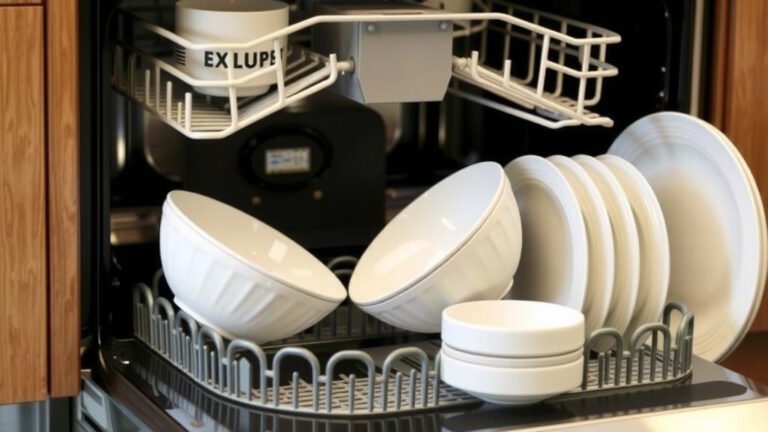
How to Descale Your Dishwasher for Sparkling Dishes
The easiest way to descale a dishwasher is by using a commercial dishwasher cleaner or a simple DIY solution of vinegar and baking soda. This process helps remove mineral buildup, ensuring your dishes come out sparkling clean. Regular descaling also extends the life of your appliance.
Over time, hard water can leave stubborn deposits inside your dishwasher. These can affect its performance and leave spots on your dishes. Many homeowners find that a periodic descaling routine is key to maintaining a spotless shine on their kitchenware. We’ve researched the best methods to tackle this common issue.
- Use a commercial cleaner or a vinegar/baking soda mix.
- This removes mineral buildup for better cleaning.
- It also helps prevent damage to your machine.
- A clean dishwasher means cleaner dishes.
Ready to get your dishwasher back in top shape? Let’s walk through the simple steps to descale your appliance effectively.
“`htmlKeeping Your Dishwasher Sparkling: A Guide to Descaling
Your dishwasher works hard for you. Over time, mineral deposits from hard water can build up inside. This can make your dishes look less than clean. It can also hurt your dishwasher’s performance. We’ve researched the best ways to get rid of this buildup. Let’s make your dishwasher like new again.
Why Descaling Your Dishwasher is Important
You might be wondering why this process is so important. Think of it like cleaning your coffee maker. Mineral scale, often from calcium and magnesium in your water, coats the parts inside your dishwasher. This is especially true for the heating element and spray arms.
Impact on Dish Cleaning Performance
When these parts get coated, they don’t work as efficiently. The heating element struggles to get the water hot enough. The spray arms can get clogged, meaning water doesn’t reach all your dishes. This leads to dirty dishes even after a full cycle. You might see white spots or a cloudy film on your glasses. It’s a sure sign your dishwasher needs a good scrub from the inside out.
Protecting Your Appliance
Beyond just cleaner dishes, descaling helps protect your investment. Mineral buildup can put extra strain on your dishwasher’s components. Over time, this can lead to wear and tear. In some cases, it can even cause expensive repairs. Regular cleaning helps prevent these issues. Many appliance repair professionals recommend descaling at least twice a year.
What Causes Dishwasher Scale?
The main culprit is hard water. This means your water has a high mineral content. When water heats up inside the dishwasher, these minerals are left behind. They stick to surfaces and gradually build up. If you live in an area known for hard water, you’ll likely need to descale more often.
Method 1: Using a Commercial Dishwasher Cleaner
For many people, a commercial cleaner is the simplest route. These products are specifically designed to break down mineral deposits. They are formulated to be safe for your dishwasher’s internal parts.
How Commercial Cleaners Work
These cleaners typically contain mild acids. These acids dissolve the calcium and magnesium deposits. You usually just pour the cleaner into the bottom of your empty dishwasher. Then, you run a hot cycle. The cleaner circulates and breaks down the scale.
Step-by-Step with Commercial Cleaners
- Empty the dishwasher completely. You don’t want any dishes in there.
- Add the cleaner. Follow the product’s instructions. Some go in the detergent dispenser, others in the bottom.
- Run a hot wash cycle. Use the hottest setting your dishwasher has. A normal cycle is usually fine if a “rinse” or “clean” cycle isn’t an option.
- Let it finish. Don’t interrupt the cycle.
- Wipe down any residue. After the cycle, you might see some loosened scale. Wipe it away with a damp cloth.
Choosing a Commercial Cleaner
There are many brands available. Look for ones that specifically mention removing limescale or mineral deposits. Read reviews to see what works best for others. We found that brands like Affresh, Finish, and Lemi Shine are popular choices.
Method 2: The Vinegar and Baking Soda DIY Approach
Don’t want to buy a special cleaner? You can use common household items. Vinegar and baking soda are effective and very affordable. This method is gentle yet powerful.
Vinegar’s Role in Cleaning
White vinegar is acidic. This is what makes it great for cutting through mineral deposits. It’s a safe and natural way to tackle limescale. Many cleaning experts recommend it for its versatility (Mayo Clinic).
Baking Soda’s Contribution
Baking soda acts as a gentle abrasive. It also helps to deodorize your dishwasher. While vinegar does the heavy lifting on scale, baking soda scrubs away lingering grime. It leaves the interior looking and smelling fresh.
Step-by-Step with Vinegar and Baking Soda
This process involves two separate cycles, but it’s still quite simple.
Step 1: Vinegar Wash
- Remove dishes. Make sure your dishwasher is empty.
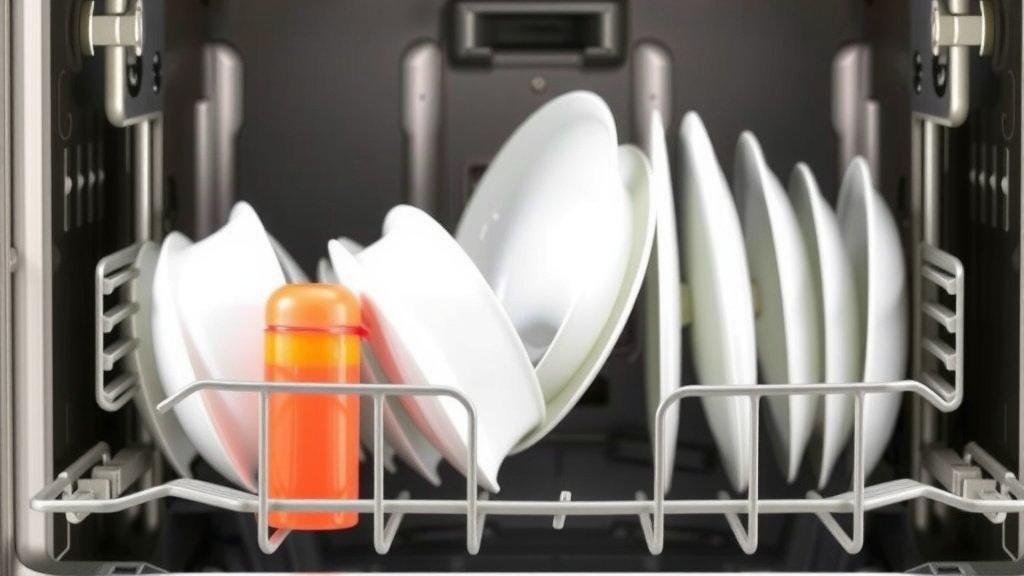
- Pour vinegar. Place about 1 cup of white vinegar into a dishwasher-safe bowl or cup.
- Place bowl on the top rack. Ensure it’s stable.
- Run a hot cycle. Use your dishwasher’s hottest setting. The vinegar will circulate.
- Empty bowl. After the cycle, remove the empty bowl.
Step 2: Baking Soda Rinse
- Sprinkle baking soda. Take about 1 cup of baking soda. Sprinkle it across the bottom of your empty dishwasher.
- Run a short, hot cycle. Again, use the hottest setting. This rinse cycle will help remove any remaining residue and odors.
- Wipe down. Once the cycle is complete, wipe down any remaining spots.
Tips for a Spotless Dishwasher and Dishes
Beyond regular descaling, a few other habits can help. These will keep your dishwasher running smoothly and your dishes shining.
- Scrape, don’t rinse, dishes. Remove large food particles. Modern dishwashers and detergents work best with some food residue.
- Use the right amount of detergent. Too much can leave a film.
- Check your water hardness. If it’s very hard, consider a dishwasher salt or rinse aid.
- Clean the filter regularly. Most dishwashers have a filter at the bottom. Clean it every few weeks. This prevents food particles from recirculating.
- Run hot cycles often. This helps keep the internal components clean.
Troubleshooting Common Dishwasher Issues
Sometimes, descaling alone might not fix everything. Here are a few quick tips for other common problems you might encounter.
Cloudy Glasses After Washing
This is often due to hard water. Ensure you’re using a rinse aid. You might also need to increase the rinse aid dispenser setting. Descaling should also help with this.
Water Not Draining
Check the drain hose for kinks. Also, clean the dishwasher filter. If these don’t work, there might be a clog in the pump or drain line.
Dishwasher Smells Bad
This is usually caused by food debris in the filter or standing water. A baking soda rinse is great for odors. Descaling will also help eliminate the source of the smell.
By following these steps, you can easily descale your dishwasher. You’ll enjoy cleaner dishes and a longer-lasting appliance. It’s a simple maintenance task with big rewards!
Your Dishwasher Descaling Checklist:
- Empty dishwasher.
- Choose cleaner or DIY method.
- Run hot cycle(s).
- Wipe down interior.
- Check filter and rinse aid.
- Enjoy sparkling dishes!
Conclusion
You’ve learned how straightforward it is to keep your dishwasher clean and efficient. Whether you choose a quick commercial cleaner or a cost-effective vinegar and baking soda method, descaling prevents mineral buildup. This ensures your dishes sparkle and extends your appliance’s lifespan. Don’t wait for cloudy glasses or poor performance to strike. Your next step is simple: pick a method and schedule your first descaling session this week to enjoy a consistently cleaner kitchen.
Frequently Asked Questions
How often should I descale my dishwasher?
We recommend descaling your dishwasher at least twice a year. If you have very hard water or notice diminished cleaning performance, consider doing it quarterly. Regular cleaning prevents tough buildup.
Can I use regular vinegar or does it have to be white vinegar?
For descaling, white vinegar is best. Its acidity is effective at breaking down mineral deposits. Other types of vinegar may contain sugars or colorants that could potentially leave residue.
Will descaling damage my dishwasher?
When done correctly with recommended products or ingredients like vinegar and baking soda, descaling is safe. These methods are designed to remove scale without harming your dishwasher’s components.
What’s the difference between a rinse aid and a descaler?
A rinse aid helps water sheet off dishes, reducing spots and speeding drying. A descaler, on the other hand, removes the mineral buildup that causes those spots in the first place. You’ll likely benefit from using both regularly.
My dishwasher still isn’t cleaning well after descaling, what else could it be?
If descaling didn’t solve the problem, check your dishwasher’s filter for clogs and ensure the spray arms aren’t blocked. Make sure you’re using the correct amount of detergent and that your water temperature is sufficiently hot.