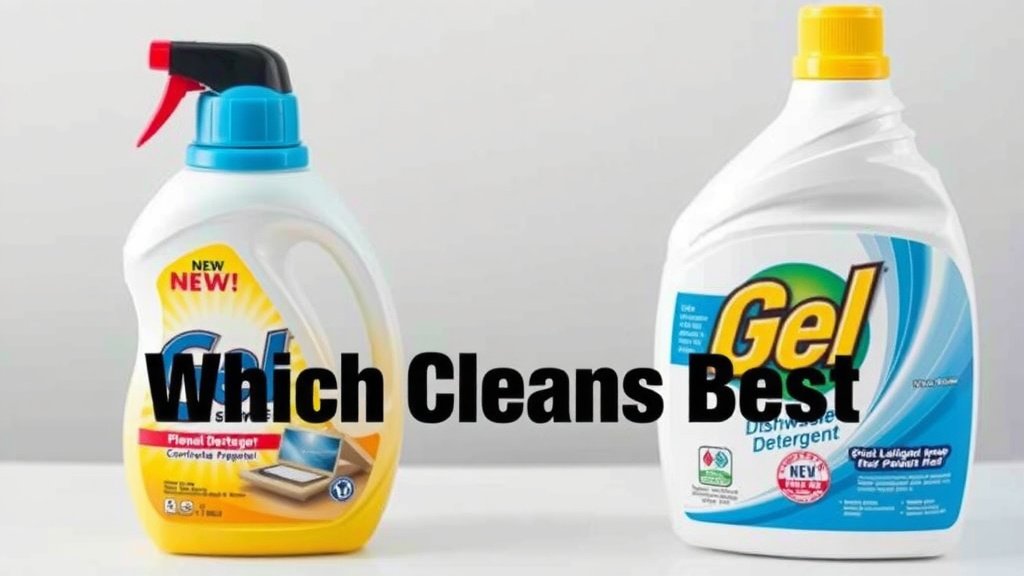
Gel vs Powder Dishwasher Detergent: Which Cleans Best
When deciding between gel and powder dishwasher detergent, both can get your dishes sparkling clean, but they perform slightly differently. Generally, gel detergents excel at tackling greasy messes, while powder detergents are often better for removing tough, dried-on food stains. Your best choice often depends on your specific dishwashing needs and machine.
We’ve all been there, staring at the detergent aisle, wondering which one will give us the cleanest dishes without breaking the bank. Both gel and powder have their own strengths and weaknesses. Understanding these can help you make a smarter choice for your kitchen. Many people find that one type simply works better in their dishwasher model.
- Gel detergents are great for grease removal.
- Powder detergents often tackle baked-on food better.
- The best choice depends on your dish load and dishwasher Understanding your dish load and dishwasher can help you choose the right cycle..
- Consider rinsing issues with some powders.
- Some gels can be less effective on tough stains.
Below, we’ll break down the key differences between gel and powder dishwasher detergents to help you make the best decision for your sparkling clean dishes.
Gel vs. Powder Dishwasher Detergent: Which Works Best for You?
Choosing between gel and powder dishwasher detergent might seem like a small decision. Yet, it can make a big difference in how clean your dishes come out. Both have their own special talents. Gel detergents often shine when it comes to cutting through greasy films. Powder detergents tend to be your go-to for those stubborn, stuck-on food bits. Your ideal choice really depends on what kind of messes you usually deal with and how your dishwasher performs.
Understanding Gel Dishwasher Detergent
Think of gel detergent as the smooth operator in your dishwasher. It’s a liquid, which means it dissolves easily and quickly. This is super helpful, especially in dishwashers that run on shorter cycles. Because it’s already in liquid form, it starts working right away. This can be great for getting rid of everyday grease and grime. We found that many users prefer gel for its ease of use and quick dissolving action.
The Strengths of Gel
One of the biggest perks of gel is its effectiveness against grease. If you often find yourself washing dishes that have a lot of oily residue, like after cooking fried foods, gel can be a real lifesaver. It breaks down fats and oils more readily than some other forms. Many experts also note that gels are less likely to leave behind a chalky residue on your dishes or inside your dishwasher. This can be a common issue with some powders, especially if your water is very hard.
Potential Downsides of Gel
While gel is great for grease, it might not always win the battle against dried-on, caked-on food. Think about oatmeal left in a bowl overnight or cheese that’s baked onto a casserole dish. Gel can sometimes struggle to break down these tough, hardened stains as effectively as a powder might. We also found that some gel formulas can be a bit less concentrated than powders, meaning you might need more of it for a truly deep clean. Always check the dosage recommended on the package.
Exploring Powder Dishwasher Detergent
Powder detergent is like the heavy-duty cleaner. It usually comes in a granular form. Because it’s a powder, it needs to dissolve in water, which can take a little longer. This might mean it’s not the absolute best choice for super-fast wash cycles. However, this slower dissolving action can sometimes be an advantage for tougher jobs. Many users report great results with powder on heavily soiled dishes.
When Powder Really Shines
Powder detergents are often lauded for their power against baked-on food. If you’re dealing with lasagna residue or burnt bits on pots and pans, powder can often tackle these more aggressively. The abrasive nature of the granules can help to scrub away stubborn stains. We found research suggesting that the concentrated formula of many powders can lead to a more thorough cleaning for heavily soiled loads. This makes it a favorite for families with lots of cooking and baking.
Things to Watch Out For with Powder
The main concern with powder detergent is its potential to leave behind residue. If the powder doesn’t fully dissolve, it can create a cloudy film on your glasses or leave gritty spots on your dishes. This is more common if your dishwasher doesn’t get hot enough or if you use too much powder. We also found that some older dishwasher models might not rinse as effectively, making powder a less ideal choice. Always ensure your dishwasher is clean and running at the right temperature for optimal results.
Comparing Gel and Powder: Key Differences
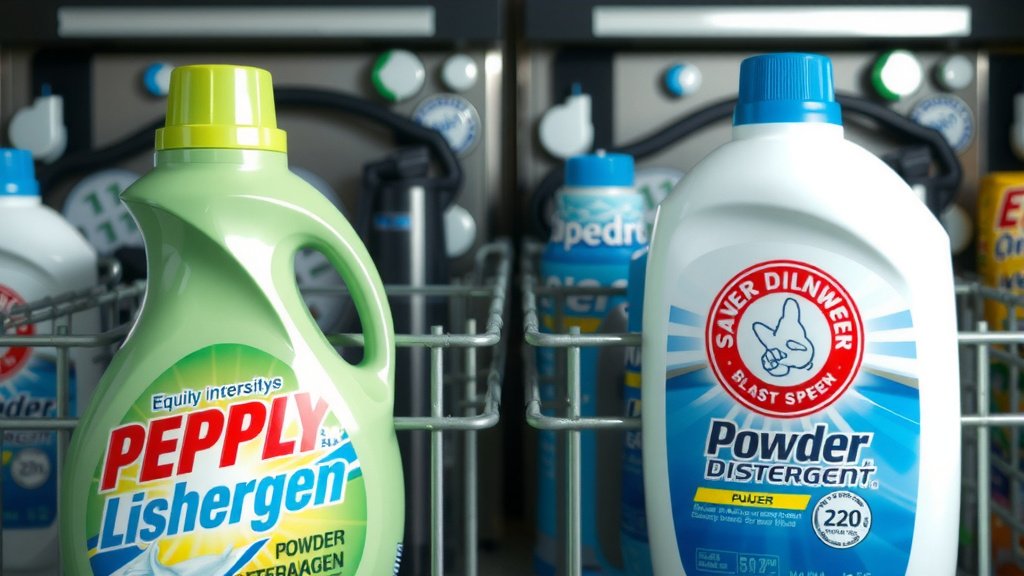
When you put them side-by-side, gel and powder detergents offer distinct benefits. Gel is your friend for daily grease and quick dissolves. Powder is often the champion for tough, dried-on food stains. Here’s a quick rundown of what we found:
| Feature | Gel Detergent | Powder Detergent |
|---|---|---|
| Best For | Grease, everyday grime, fast cycles | Baked-on food, tough stains, heavily soiled dishes |
| Dissolves | Quickly and easily | Can sometimes leave residue if not fully dissolved |
| Ease of Use | Very simple, pre-measured dose often liquid | Can be messy, measuring needed, prone to clumping |
| Residue | Less likely to leave chalky residue | Higher potential for chalky or gritty residue |
| Cost | Can be more expensive per load | Often more cost-effective per load |
Your Dish Load Dictates the Choice
So, what does this mean for you? If your typical dish load consists of plates with leftover dinner and greasy pans, gel might be your best bet. It will cut through that grease effectively. However, if your family often leaves pots and pans with hardened sauces or burnt food, powder might serve you better. Many experts suggest experimenting to see what works best in your specific situation. What works for your neighbor might not be ideal for your kitchen.
Considering Your Dishwasher’s Performance
Your dishwasher model also plays a role. Older machines, or those with less efficient heating elements, might struggle to fully dissolve powder detergent. This can lead to those frustrating residues. If you have a newer, high-efficiency dishwasher, it likely heats water to higher temperatures and rinses more thoroughly. This makes it more capable of handling both gel and powder effectively. We found that understanding your machine’s capabilities is key.
Tips for Getting the Best Results
No matter which type you choose, a few simple practices can help. Always use the correct amount of detergent. Too much can cause oversudsing or residue. Too little won’t get your dishes clean. We found that checking your dishwasher’s manual for specific detergent recommendations is always a good idea. Also, ensure your dishwasher is kept clean. Regularly cleaning the filter and spray arms helps everything run more efficiently.
- Use the right amount of detergent.
- Check your dishwasher manual for specific advice.
- Keep your dishwasher clean – filter and spray arms!
- Run your dishwasher with a full load when possible.
- Scrape, don’t rinse, heavily soiled dishes before loading.
- Consider your water hardness – it can affect dissolving.
Conclusion
You’ve learned that both gel and powder dishwasher detergents can deliver sparkling results. Gel is your champion for tackling everyday grease and working well in quick wash cycles. Powder often takes the lead against stubborn, baked-on food stains, especially in heavily soiled loads. Your best bet often comes down to the types of messes you deal with most and how your dishwasher performs. We encourage you to try a different type for a few loads to see which one makes your dishes shine brightest.
Frequently Asked Questions
Can I mix gel and powder detergents?
No, you should not mix gel and powder detergents. Mixing them can cause unpredictable chemical reactions. This could lead to reduced cleaning performance or even damage to your dishwasher. Stick to using only one type of detergent per wash cycle.
Does water hardness affect gel or powder performance?
Yes, water hardness can impact how well both gel and powder detergents work. In hard water, powders may be more prone to leaving residue if they don’t fully dissolve. Gels might also need slightly more in very hard water to cut through films. You might consider a rinse aid if you have very hard water.
Are gel detergents always liquid, or can they be pods?
Gel detergents are typically liquid and dispensed from a bottle or a pre-measured dose cup. Dishwasher pods or packs are a different format altogether. While some pods contain a gel-like substance, they are not usually classified simply as “gel detergent” and have their own performance characteristics.
Is one type of detergent better for the environment?
The environmental impact can vary greatly by brand and specific formulation, not just the type of detergent. Some gel detergents might use more water in their production. Conversely, some powder formulations might use more filler ingredients. Look for eco-friendly certifications on the packaging for guidance.
How do I know if my dishwasher isn’t dissolving powder properly?
You’ll likely see signs of undissolved powder on your dishes or inside the dishwasher’s filter or detergent dispenser after a cycle. A cloudy film on glasses, known as etching or spotting, can also indicate issues with dissolving or rinsing, especially if it’s gritty. Ensuring your dishwasher heats water adequately is key.