Is Rinse Aid Really Necessary for Your Dishwasher
Yes, rinse aid is generally necessary for getting your dishes truly clean and dry in your dishwasher. While your dishwasher might still run without it, you’ll likely notice streaks, spots, and wet dishes left behind. Rinse aid helps water sheet off your glassware and plates, promoting faster drying and a shinier finish.
Think of rinse aid as your dishwasher’s secret weapon for a spotless finish. It works by reducing the surface tension of water, making it easier for water to drain away. This simple addition can make a huge difference in preventing water spots and ensuring your dishes come out sparkling clean and ready to use.
- Rinse aid is essential for dry, spot-free dishes.
- It helps water sheet off surfaces for better drying.
- Using it prevents streaks and water spots.
- Many dishwashers have a specific compartment for it.
Let’s dive into why rinse aid makes such a big difference and how you can best use it in your dishwasher.
Why Your Dishwasher Needs a Little Extra Help: The Rinse Aid Question
So, you’ve got a dishwasher, and it’s doing a pretty good job. But are your dishes coming out as sparkling and dry as you’d hoped? If you’re seeing water spots or finding damp glasses, the answer might be simpler than you think. We’re talking about rinse aid. Let’s break down why this liquid is often the unsung hero of your dishwashing routine.
Many of us toss our dirty dishes in the machine and hit start, assuming that’s all there is to it. But the final rinse cycle is where the magic (or lack thereof) happens. Without a little help, water tends to cling to your dishes. This leads to those annoying water spots and leaves everything feeling a bit damp.
Understanding How Rinse Aid Works Its Magic
Think of rinse aid as a super-slick agent for your dishes. Its primary job is to lower the surface tension of water. When water has high surface tension, it beads up. These little beads are what leave those tell-tale spots and streaks when they dry. Rinse aid breaks that tension.
When the rinse aid is released during the final rinse, it coats your dishes and glassware. This coating encourages the water to sheet off in larger, thinner layers instead of breaking into small droplets. Imagine water flowing smoothly over a clean window versus water beading up after you’ve waxed your car. That’s the difference rinse aid makes.
The Science Behind the Shine
The key ingredient in most rinse aids is a type of surfactant, similar to what you find in dish soap but designed for a different purpose. These surfactants reduce the ‘stickiness’ of water. Research in materials science shows that reducing surface tension helps liquids flow more easily over surfaces.
This means that after the hot rinse, the water doesn’t stand a chance. It slides off your dishes and into the bottom of the dishwasher, where it can drain away. This process is critical for achieving that spotless finish we all desire. It helps prevent mineral deposits from tap water from drying onto your dishes, which is the main culprit behind those unsightly white spots.
The Benefits of Using Rinse Aid
The most obvious benefit is, of course, drier dishes. When water sheets off, it drains more effectively. This drastically reduces the amount of moisture left behind on your plates, cups, and cutlery. You’ll find yourself pulling out items that are practically dry, saving you time and the frustration of re-drying.
Beyond just dryness, rinse aid dramatically improves the appearance of your dishes. That streak-free shine on your wine glasses and serving dishes? That’s often the work of rinse aid. It prevents water spots, which can make even the cleanest-looking dishes appear dull or dirty. Our guide to the best dishwasher detergent also covers using a rinse aid for hard water.
Faster Drying Times
Your dishwasher’s drying cycle relies on heat and airflow. But if water is clinging to every surface, even the best heat and airflow will struggle. Rinse aid helps by making sure water doesn’t linger. This allows the heat to work more efficiently, evaporating any remaining moisture much faster.
Many appliance manufacturers recommend using rinse aid precisely for this reason. They understand that optimal drying performance isn’t just about the machine; it’s about the right combination of machine function and helpful additives.
Preventing Water Spots and Streaks
Water spots are essentially dried mineral deposits from your tap water. When water evaporates slowly, these minerals are left behind, creating those chalky marks. Rinse aid helps water evaporate quickly and evenly, giving the minerals less time to settle and form spots.
This is particularly important if you live in an area with hard water. Hard water has a higher mineral content, making water spots a more persistent problem. Using rinse aid can be a game-changer for anyone battling the effects of hard water on their dishware.
How to Use Rinse Aid Correctly
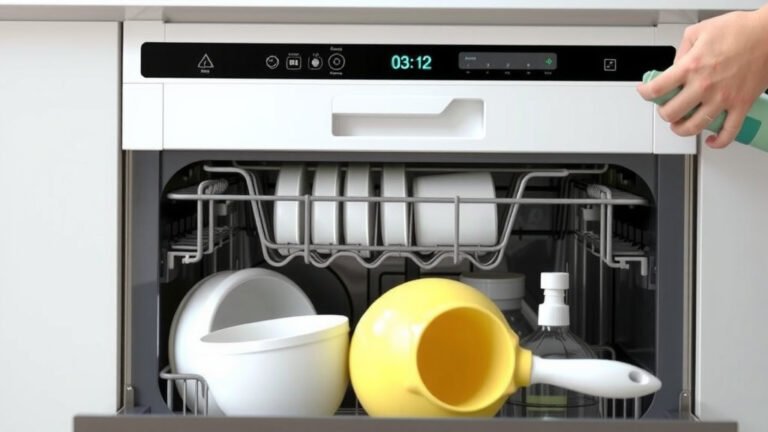
Most modern dishwashers have a dedicated compartment for rinse aid, usually located on the inside of the door, near the detergent dispenser. It typically has a dial or a symbol indicating its level. You simply fill it up, and the dishwasher automatically dispenses the correct amount during the rinse cycle.
Finding the Rinse Aid Dispenser
Consult your dishwasher’s manual if you’re unsure where to find it. It’s usually a small, clear or translucent plastic container with a lever or cap that opens for filling. Make sure you’re not confusing it with the detergent compartment; they look quite different.
Filling and Adjusting the Dosage
You’ll want to fill the dispenser until the indicator shows it’s full. How often you need to refill depends on your dishwasher’s settings and how often you run it. Many dispensers have adjustable settings, often numbered from 1 to 5 or 1 to 6. Start with a medium setting, like 3, and see how your dishes turn out.
If you’re still seeing spots or wet dishes, try increasing the setting. If you notice excessive foaming or a soapy residue on your dishes, you might need to lower the setting. It’s all about finding that sweet spot for your water hardness and your machine.
| Feature | With Rinse Aid | Without Rinse Aid |
|---|---|---|
| Dish Dryness | High; dishes are nearly dry | Low; dishes are often wet |
| Water Spots | Minimal to none | Common, especially with hard water |
| Streaks | Rarely present | Can be noticeable on glassware |
| Drying Time | Faster | Slower |
| Overall Shine | Brighter, more reflective | Duller, can look cloudy |
What If You Run Out of Rinse Aid?
If you suddenly realize you’re out of rinse aid mid-wash cycle, don’t panic. Your dishwasher will still clean your dishes. You’ll just likely experience the drawbacks we’ve discussed: more spots and less dryness. It’s a good idea to keep a spare bottle on hand to avoid this interruption.
For those times you forget or run out, you can try opening the dishwasher door slightly during the cool-down phase. This allows some steam to escape and can help with drying. However, it’s not a perfect solution and won’t replace the benefits of rinse aid.
Can Dishwasher Detergent Replace Rinse Aid?
No, dishwasher detergent and rinse aid serve very different purposes. Detergent is designed to break down food particles and grease. Its job is done once the wash cycle is complete. Rinse aid, on the other hand, is added during the final rinse to help with drying and spotting. They are not interchangeable, and detergent won’t provide the water-sheeting properties of rinse aid.
The Role of Detergent vs. Rinse Aid
Detergent is the heavy lifter for cleaning. It contains enzymes and surfactants to tackle tough food soils. Rinse aid is the finisher, the detailer that perfects the outcome. Relying on detergent alone for drying and shine is like asking your car wash soap to also wax your car – it’s just not what it’s formulated to do.
Do All Dishwashers Need Rinse Aid?
While your dishwasher will run without it, most manufacturers highly recommend using rinse aid for optimal performance. Some newer, high-end models might have advanced drying technologies that reduce the need for rinse aid, but for the majority of dishwashers, it’s an essential component for achieving truly clean and dry dishes.
If your water is very soft, you might notice fewer spots even without rinse aid. However, even with soft water, the drying assistance can still be beneficial. It’s often worth experimenting to see the difference it makes for your specific situation.
Quick Rinse Aid Checklist for Success
- Always check your rinse aid level before starting a load.
- Fill the dispenser completely for longer-lasting results.
- Adjust the dispenser setting based on your water hardness and observed results.
- Use a reputable brand of rinse aid for best performance.
- Never mix rinse aid with detergent in the same compartment.
- Keep a spare bottle on hand to avoid running out unexpectedly.
Conclusion
So, is rinse aid necessary? The answer is a resounding yes for most dishwashers. You’ve learned how it works to reduce water’s surface tension, allowing it to sheet off dishes for faster, spot-free drying. Skipping rinse aid often means dealing with frustrating water spots and damp dishes. It’s a simple addition that makes a noticeable difference in the shine and dryness of your load.
To get the best results from your dishwasher, make rinse aid a regular part of your routine. Check your dispenser level before you run a load, and adjust the setting as needed. Your dishes will thank you for it!
Frequently Asked Questions
Can I just use regular dish soap instead of rinse aid?
No, you should not use regular dish soap in your rinse aid dispenser. Dish soap is designed to create suds for cleaning and will cause excessive foaming in your dishwasher, potentially damaging it and leaving a residue on your dishes. Rinse aid is a specialized product formulated for the final rinse cycle.
Is rinse aid bad for the environment?
Most rinse aids are biodegradable and designed to break down after use. While it’s always good to be mindful of the products you use, rinse aid is generally considered safe when used as directed. Many brands are also working on more eco-friendly formulations.
How often should I refill my rinse aid dispenser?
How often you refill depends on your dishwasher model and how often you run it. Many dispensers have an indicator light or a visible level marker. On average, you might need to refill it every 1 to 2 months. Keep an eye on the indicator to know when it’s time.
My dishwasher has a “rinse aid” setting, but I don’t see a compartment for it. What’s going on?
Some dishwashers, especially newer or more advanced models, have automatic rinse aid dispensing systems built directly into the machine. The setting on your control panel controls how much is dispensed. Consult your dishwasher’s manual to understand its specific features.
What should I do if I see too much foam or bubbles when using rinse aid?
Excessive foaming usually means the rinse aid setting is too high, or you might have accidentally added detergent to the rinse aid compartment. Try reducing the rinse aid dispenser setting. If the problem persists, ensure you are only using rinse aid in its designated dispenser.