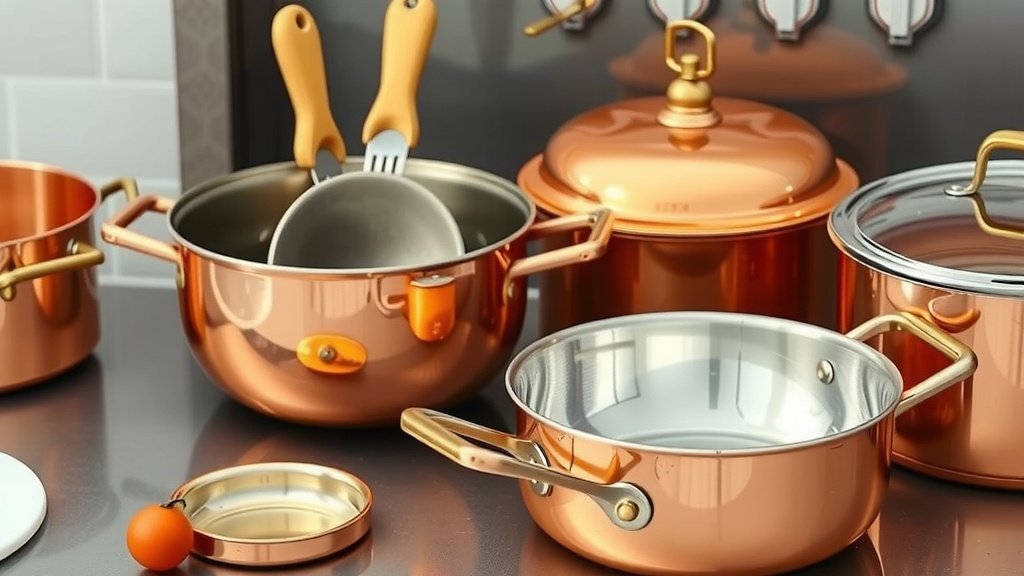
Dishwasher Safe Copper Pots? What You Need to Know
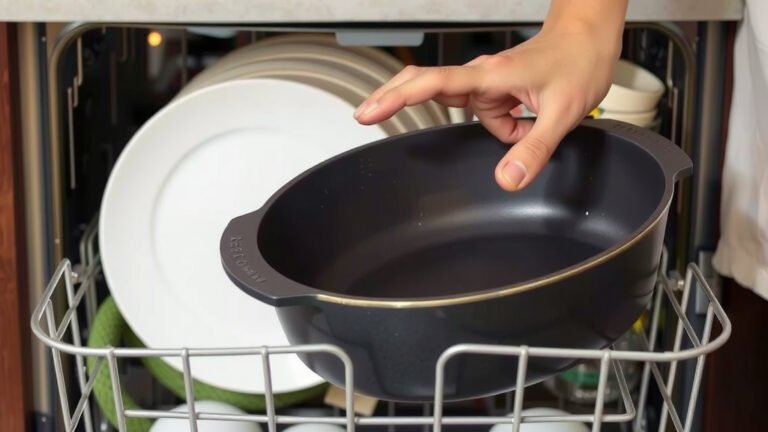
Generally, you should avoid putting copper cookware directly in the dishwasher. The harsh detergents and high heat can cause discoloration and damage to the copper’s natural luster and protective coatings. While some modern copper pans might have dishwasher-safe designations, it’s usually best to err on the side of caution.
Think of your beautiful copper pots and pans like a cherished antique. Handwashing helps preserve their unique appearance and ensures they last for generations. Dishwasher cycles can strip away their natural patina, leaving them looking dull or even creating unsightly spots. We found that proper care makes a big difference.
- Copper cookware typically needs handwashing.
- Dishwashers can damage the copper’s finish.
- Harsh detergents cause discoloration.
- Handwashing preserves the pan’s appearance.
- Always check the manufacturer’s care instructions.
Let’s dive into why this is the case and what you can do to keep your copper looking its absolute best.
Caring for Your Copper Cookware: A Dishwasher Dilemma
So, you’ve got some beautiful copper pans. They look amazing on the stovetop and cook food wonderfully. You might be wondering if you can just toss them in the dishwasher like everything else. It’s a common question, and the short answer is: usually, you can’t. Dishwashers can be tough on copper, and we want to keep those pans looking shiny and new for as long as possible.
Why Dishwashers Are Not Copper’s Best Friend
Your dishwasher is designed for convenience, but its cleaning cycle is pretty aggressive. It uses very hot water and strong detergents. These elements can actually harm your copper cookware. Let’s break down why.
The Impact of Harsh Detergents
Dishwasher detergents are made to cut through grease and baked-on food. They are often alkaline or acidic. This can react with the copper. It can strip away the natural patina that gives copper its warm glow. You might see dark spots or a dulling effect. It’s like using a harsh cleaner on fine furniture; it just isn’t the right treatment.
High Heat and Its Effects
Dishwashers use high temperatures to sanitize and speed up drying. This intense heat can also affect copper. It can lead to discoloration, especially on the exterior surfaces. Over time, this can make your pans look less appealing. Think of it like leaving a delicate item in direct sunlight for too long; the color can fade or change.
Abrasive Water Jets
The water jets inside a dishwasher are powerful. While they help rinse away food, they can also cause micro-abrasions on the copper surface. This might not be noticeable at first. But over many cycles, it can contribute to wear and tear. It’s a slow erosion of the pan’s finish.
Understanding Different Types of Copper Cookware
Not all copper cookware is created equal. The way it’s made and finished plays a big role in how it should be cared for. Some pieces are pure copper, while others have linings or special coatings.
Lined Copper Cookware
Many copper pots and pans have a lining. This lining is usually made of stainless steel or tin. The copper exterior is for heat conduction, while the lining is the cooking surface.
Stainless Steel Lined Copper
This is a very popular type. The stainless steel interior is durable and easy to clean. However, the copper exterior is still vulnerable in the dishwasher. While the stainless steel might hold up, the copper part will likely still suffer damage. We found that even with a stainless lining, handwashing is recommended for the exterior.
Tin Lined Copper
Tin-lined copper is older but still used. Tin is a softer metal than stainless steel. It can be scratched or damaged more easily by harsh detergents and high heat. If you have tin-lined copper, absolutely avoid the dishwasher. Handwashing is essential to preserve the tin lining.
Solid Copper Cookware
This type is less common for everyday cooking. It’s usually found in high-end or antique pieces. Solid copper cookware has copper throughout. This means the entire piece is susceptible to the damage caused by a dishwasher. For these special items, handwashing is the only way to maintain their integrity and beauty.
Coated Copper Cookware
Some modern cookware might have a non-stick coating or a special finish applied to the copper. These coatings are often not designed to withstand dishwasher cycles. The heat and detergents can cause the coating to peel, bubble, or lose its effectiveness. Always check the manufacturer’s label for these specific types.
When Is Dishwasher Use Potentially Okay?
There are a few rare instances where a copper item might be labeled as dishwasher-safe. This is usually for copper items that are not primarily for cooking, or have very specific treatments.
Manufacturer’s Instructions are Key
Some manufacturers might design their copper items with dishwasher-safe materials and finishes. This is more likely for decorative copper items or perhaps some very modern, specially treated cookware. However, even then, the harsh environment of a dishwasher can shorten the lifespan of the item. We always recommend checking the care instructions that came with your purchase. If it explicitly says dishwasher-safe, you can try it. But if there’s any doubt, handwash.
Decorative Copper Items
If you have copper mugs, decorative bowls, or serving pieces that are not directly used for cooking, they might be more durable. Some of these might have protective lacquers or finishes that can withstand a dishwasher. But again, it’s crucial to verify this. A decorative piece can lose its charm quickly if damaged.
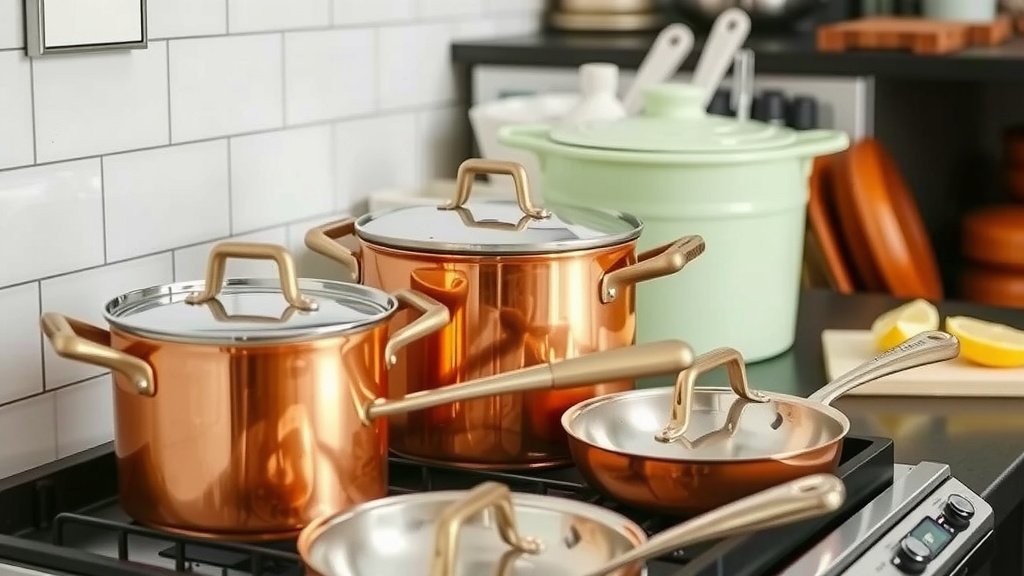
The Benefits of Handwashing Your Copper
Handwashing might seem like more work, but it offers significant advantages for your copper cookware. It’s a small investment of time for a big return in longevity and appearance.
Preserving the Natural Patina and Shine
Copper develops a natural patina over time. This is a beautiful oxidation that gives it a unique character. Harsh detergents can strip this away, leaving a bland, uniform surface. Handwashing allows you to gently clean the pan while preserving its natural beauty. You can even polish it occasionally to bring back that brilliant shine when you want it.
Preventing Discoloration and Damage
As we’ve discussed, dishwashers can cause discoloration. Handwashing lets you control the cleaning agents used. You can opt for mild soap and a soft sponge. This gentle approach prevents the chemical reactions that lead to unsightly spots or dullness. Your copper will look great for years to come.
Extending the Lifespan of Your Cookware
Copper cookware is an investment. Proper care ensures it lasts a long time. By avoiding the dishwasher, you’re actively protecting the metal and any linings or coatings. This means your pans will continue to perform beautifully on the stovetop and look good in your kitchen.
How to Properly Handwash Copper Cookware
Washing your copper pans by hand is straightforward. It just requires a little attention to detail. Here’s a simple method.
Gather Your Supplies
You’ll need a soft sponge or cloth, mild dish soap, and warm water. For tougher spots, you might need a non-abrasive scrubbing pad. A specialized copper cleaner can also be useful for restoring shine.
The Washing Process
First, let the pan cool down if it’s still warm. Rinse out any food debris. Apply a small amount of mild dish soap to your sponge. Gently wash the interior and exterior of the pan. Avoid abrasive scrubbers on the copper exterior. For stubborn bits, soak the pan in warm, soapy water for a short time.
Drying is Important
This is a critical step. After washing, dry your copper cookware immediately with a soft towel. Allowing copper to air dry can lead to water spots. These spots can be difficult to remove later. A thorough drying prevents further discoloration and maintains that lovely shine.
Dealing with Tarnish and Spots
If your copper does get tarnished or develops spots, don’t despair! You can often restore its shine. Many people use a paste made from lemon juice and salt, or vinegar and baking soda. Gently rub this paste onto the tarnished areas with a soft cloth. Rinse thoroughly and dry immediately. For heavily tarnished pieces, commercial copper polish works wonders.
A Quick Checklist for Copper Care
To make things easy, here’s a quick reminder of what to do and what to avoid:
- Always check manufacturer’s care instructions first.
- When in doubt, handwash your copper.
- Use mild soap and a soft sponge.
- Dry thoroughly immediately after washing.
- Avoid abrasive cleaners or scrubbers on the copper exterior.
- Consider occasional polishing to maintain shine.
| Feature | Dishwasher | Handwashing |
|---|---|---|
| Detergents | Harsh, can cause discoloration and strip patina. | Mild, gentle, preserves natural finish. |
| Heat | High temperatures can cause discoloration. | Controlled, prevents heat damage. |
| Abrasiveness | Water jets can cause micro-abrasions. | Gentle cleaning, no abrasive damage. |
| Result | Potential dulling, spotting, and wear. | Preserves shine, extends lifespan, maintains beauty. |
Conclusion
When it comes to your beautiful copper cookware, think of it as a culinary heirloom. We’ve found that the dishwasher, with its potent detergents and high heat, can truly degrade the special finish of copper. Handwashing is the best way to preserve its natural luster and prevent damaging discoloration or dulling. By taking just a few extra moments to wash your copper by hand, you ensure it remains a stunning and functional piece in your kitchen for many years to come. Make the choice to handwash, and your copper will thank you with enduring beauty and performance.
Frequently Asked Questions
Will my copper pans get ruined if I put them in the dishwasher once?
Even a single run through the dishwasher can cause noticeable damage. The harsh detergents can strip away protective coatings and lead to discoloration. We recommend avoiding the dishwasher entirely to maintain the integrity of your copper.
Can I wash copper-lined pots with stainless steel interiors in the dishwasher?
While the stainless steel interior might tolerate the dishwasher, the copper exterior will still be at risk. The high heat and strong chemicals can dull and damage the copper’s finish. It’s safest to handwash these pieces to protect the exterior.
How can I tell if my copper item is truly dishwasher-safe?
Always check the manufacturer’s original care instructions. If it explicitly states “dishwasher-safe,” you can try it, but understand that even then, harsh cycles might shorten its lifespan. When in doubt, err on the side of caution and handwash.
What’s the best way to remove tarnish from copper after handwashing?
You can use a simple paste of lemon juice and salt, or vinegar and baking soda. Gently rub the paste onto the tarnished areas with a soft cloth, then rinse thoroughly and dry immediately. For stubborn tarnish, a commercial copper polish can work wonders.
My copper pan looks dull after washing. Can I fix this?
Yes, you likely can restore its shine! Dullness is often caused by detergent residue or minor oxidation. Try a gentle copper cleaner or a DIY polish like the lemon and salt paste mentioned above. Remember to always dry your copper thoroughly after cleaning to prevent future dulling.