Why Are My Dishes Still Wet After Running The Dishwasher
Your dishes are still wet after a dishwasher cycle because of a few common issues. The most frequent culprits are improper loading, a malfunctioning drying element, or using the wrong type of rinse aid. These factors prevent water from properly draining or evaporating, leaving your plates and glasses damp.
It can be frustrating when your dishwasher doesn’t dry your dishes completely. Many people experience this issue, leading to extra wiping or re-drying by hand. We found that understanding the purpose of each dishwasher feature can help you troubleshoot effectively. This often involves checking the water temperature and ensuring your machine is draining correctly.
- Check your dishwasher loading technique.
- Ensure the drying element is working.
- Verify you’re using the correct rinse aid.
- Confirm adequate water temperature and drainage.
Let’s dive into the specific reasons why your dishes might be coming out wet and how to fix it.
Why Your Dishes Aren’t Drying Properly
It’s a common kitchen headache: you open the dishwasher, expecting sparkling clean and dry dishes, but instead, you find damp plates and glasses. This can leave you wondering, “Why are my dishes still wet?” We’ve found that this issue usually boils down to a few key areas. Understanding these can save you time and the frustration of re-washing or hand-drying.
Loading: The Foundation of a Good Wash and Dry
How you load your dishwasher is surprisingly important. It’s not just about fitting everything in. Proper loading ensures water can reach all surfaces. It also helps prevent dishes from blocking spray arms or drainage.
Don’t Overcrowd the Racks
This is probably the most common mistake. When you stuff the dishwasher too full, water and air can’t circulate. This means dirty water stays trapped. It also prevents hot air from reaching all the dishes for drying. Think of it like trying to dry clothes in a packed dryer – they just won’t get dry.
Positioning is Key
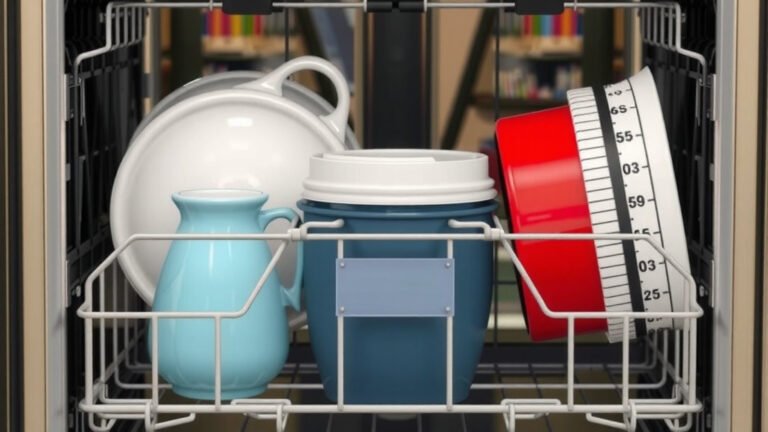
Make sure dishes face inward toward the spray arms. This helps water hit them directly. Also, avoid nesting items like bowls or plastic containers. They can trap water. We found that tilting them slightly helps water drain away. It might seem minor, but it makes a big difference.
Top Rack Wisdom
Place lighter items like plastic cups and bowls on the top rack. They are less likely to be damaged by the heating element. Ensure they aren’t so light they flip over and fill with water. This can happen, and it’s a sure way to have a wet mug.
Bottom Rack Basics
Larger items like plates and pots go on the bottom. Make sure they don’t block the detergent dispenser. Also, ensure they aren’t so tall that they hit the spray arm above. We found that checking for obstructions is a good habit.
Avoid Blocking Water Flow
Long utensils or large serving spoons can fall and block the lower spray arm. This prevents water from spraying upward. It significantly impacts cleaning and drying. Always check that nothing is hindering the spray arms’ movement. You can often hear if they’re stuck.
The Role of Water Temperature
Dishwashers need hot water to clean effectively and dry properly. Many dishwashers heat their own water, but they rely on your home’s hot water supply to start. If your water isn’t hot enough, the wash and dry cycles won’t perform as they should.
What’s Hot Enough?
Most manufacturers recommend a water temperature of at least 120°F (49°C). This temperature is hot enough to activate detergent and sanitize dishes. It’s also essential for the drying cycle to work efficiently. We found that lower temperatures leave a greasy film. This film can impede drying.
Checking Your Water Heater
You can check your water heater’s temperature setting. Be cautious when doing this, as water that’s too hot can cause burns. A simple way is to run the hot water tap at your kitchen sink before starting the dishwasher. If it runs cool for more than a minute, your water heater might be set too low or too far away. Guidelines from the U.S. Department of Energy suggest setting water heaters to 120°F.
Rinse Aid: Your Drying Ally
Rinse aid is a liquid that reduces the surface tension of water. This helps water sheet off your dishes instead of forming droplets. Droplets cling to surfaces and take longer to evaporate. Rinse aid is like a squeegee for your dishes.
How Rinse Aid Works
During the final rinse cycle, the dishwasher automatically dispenses a small amount of rinse aid. This liquid coats the dishes. It helps water run off in sheets. This speeds up the drying process significantly. Many experts say it’s crucial for spot-free and dry dishes.
Is Your Rinse Aid Dispenser Empty?
The most straightforward reason for rinse aid issues is an empty dispenser. Most dispensers have a small indicator. Check it regularly. If it’s low or empty, refill it. You can usually find the dispenser near the detergent compartment.
Choosing the Right Rinse Aid
While most rinse aids work similarly, some formulas might perform better in certain water conditions. Hard water can sometimes require a stronger rinse aid. Always check your dishwasher manual for recommendations. We found that generic brands often work just as well as name brands.
Drying Element and Other Components
Most dishwashers use a drying element to heat the air inside. This element, often a metal coil at the bottom of the tub, gets hot. It helps evaporate any remaining moisture. If this element isn’t working, your dishes will likely remain damp.
Testing the Drying Element
After a cycle, carefully open the dishwasher. You might be able to feel residual heat coming from the bottom. If the element is visible, check for any obvious damage. However, a visual inspection isn’t always conclusive. If you suspect it’s faulty, it might need professional attention.
Ventilation Matters Too
Some dishwashers have a vent that opens automatically or manually. This allows moist air to escape. If the vent is blocked or not opening, humidity can build up. This prevents proper drying. Check your manual to see if your model has a vent and how it operates.
Drainage Issues Can Affect Drying
Even though it seems counterintuitive, drainage problems can affect drying. If water isn’t draining properly, it can pool at the bottom of the tub. This standing water can create a humid environment. It makes it harder for the drying cycle to finish the job. It can also lead to lingering odors.
Checking the Filter
Most dishwashers have a filter at the bottom. This catches food particles. A clogged filter restricts water flow. We found that cleaning this filter regularly is essential. Consult your manual for its location and cleaning instructions. It’s usually a simple twist-and-pull mechanism.
The Drain Hose Obstruction
The drain hose carries water from the dishwasher to your sink’s plumbing. This hose can sometimes become kinked or clogged with debris. A blockage here will prevent water from leaving the machine. This is a common cause of standing water and poor drying.
Plastic Dishes and Drying Challenges
Plastic items don’t retain heat as well as glass or ceramic. This makes them naturally harder to dry in a dishwasher. The hot air needs to evaporate the water, but plastic cools down faster. This means moisture can condense on them even after the cycle ends.
Positioning Plastics for Success
Always place plastic items on the top rack. This keeps them away from the heating element, which could melt them. Ensure they are placed so that water doesn’t pool in them. Tilting them slightly is often the best approach.
Rinse Aid is Extra Important
Because plastic is less porous than ceramic, water tends to bead up more. Rinse aid is crucial for these items. It helps water sheet off, making drying much more effective. Many people skip rinse aid, but for plastic, it’s almost a necessity.
Troubleshooting Checklist for Wet Dishes
If your dishes are coming out wet, run through this quick checklist. We found these steps solve most common drying problems.
- Ensure dishwasher is not overloaded.
- Check that spray arms can spin freely.
- Confirm hot water supply is at least 120°F.
- Refill the rinse aid dispenser.
- Clean the dishwasher filter.
- Check that plastic items are on the top rack.
Conclusion
Dealing with perpetually wet dishes can be a real drain on your time and patience. Thankfully, you’ve learned that most drying issues stem from simple, fixable causes. You now know that proper loading, ensuring your dishwasher heats water sufficiently, using rinse aid, and maintaining clean components are your best allies.
Don’t let damp dishes get you down! Take a moment to review your dishwasher habits and check those key components. You’ve got this – your sparkling dry dishes are just a few adjustments away.
Frequently Asked Questions
Why do my plastic dishes always feel wet?
Plastic doesn’t hold heat like glass or ceramic. This means moisture can condense on it more easily after the wash cycle. Always place plastic items on the top rack, away from the heating element, and use plenty of rinse aid to help water sheet off.
Can a dishwasher’s drying element actually fail?
Yes, the drying element, often a metal coil at the bottom, can malfunction. If you don’t feel any residual heat after a cycle or see visible damage, it might be the culprit behind your wet dishes and could need professional attention.
How often should I clean my dishwasher filter?
You should clean your dishwasher filter at least once a month, or more often if you notice poor draining or drying. A clogged filter prevents water from escaping properly, creating a damp environment inside the machine.
Is it really that important to use rinse aid every time?
Yes, especially if you have hard water or notice water spots. Rinse aid is designed to reduce the surface tension of water, helping it slide off dishes rather than clinging and slowing down the drying process. Many people find it essential for completely dry results.
What if my dishwasher’s drying cycle seems too short?
Some dishwashers have adjustable drying cycles, or you might be using a quick wash setting that includes a shorter drying phase. Check your dishwasher’s manual to see if you can extend the drying time or select a more intensive drying option for better results.