What Causes Your Dishwasher to Smell Bad
A smelly dishwasher is usually caused by food debris and grease buildup in the filter, tub, or drain hose. This gunk harbors bacteria that create unpleasant odors, especially when the machine sits unused. We’ve all opened that door and hoped for freshness, only to be met with… less than ideal. Don’t worry, this is a common issue!
Your dishwasher works hard to clean your dishes, but sometimes the cleaning process itself leaves behind residue. Over time, this can turn into a breeding ground for smelly microbes. Other culprits can include standing water or mineral deposits. You might also notice a funky smell after a long vacation when the machine hasn’t run.
- Food bits and grease buildup are primary odor sources.
- Bacteria thrive in moist, dirty dishwasher components.
- Check your filter, tub, and drain for trapped debris.
- Standing water or hard water minerals can also cause smells.
Let’s get your dishwasher smelling fresh again. Below, we’ll break down exactly what’s causing that odor and how to banish it for good.
Why Does Your Dishwasher Smell? Unpacking the Odor Causes
That funky smell coming from your dishwasher is almost always due to bacteria and mold having a party in there. They love moist, dark environments. Your dishwasher provides just that! Food particles and grease are their favorite snacks. When these aren’t fully washed away, they stick around. This trapped gunk creates an ideal buffet for odor-causing microbes.
The Filter: A Grimy Hotspot
Your dishwasher has a filter, usually at the bottom of the tub. Its job is to catch food bits before they go down the drain. Over time, this filter can get clogged with debris. Think of it like a drain catcher in your sink, but way more neglected. If you don’t clean it regularly, food particles will start to decay. This decay is a prime source of bad smells.
Signs Your Filter Needs Attention
- You notice a consistent, unpleasant odor even after a wash cycle.
- Your dishes might not be coming out as clean as they used to.
- The filter itself looks visibly dirty or coated in gunk.
Grease Buildup: The Invisible Menace
Dishes come out of your dishwasher looking clean, but there’s often a thin film of grease left behind. This grease can accumulate over time. It coats the interior walls, the spray arms, and even the door seal. This sticky residue becomes a sticky trap for more food particles. Many experts say grease buildup is one of the most common culprits for persistent odors (National Sanitation Foundation).
Where Grease Hides
You might find grease buildup hiding in several spots. The spray arms can get clogged, reducing their effectiveness. The tub itself can develop a slick coating. Even the rubber door seal can trap grease and moisture, leading to mildew growth.
Standing Water: A Stagnant Situation
Sometimes, water doesn’t drain out of your dishwasher completely. This can happen for a few reasons. Maybe your drain hose is kinked or clogged. Or perhaps your garbage disposal connection is backed up. When water sits in the bottom of the tub, it becomes a stagnant pool. This standing water is a breeding ground for mold and bacteria. It can quickly create that classic “stale” dishwasher smell.
Identifying Standing Water Issues
After a wash cycle, check the bottom of your dishwasher tub. Do you see a noticeable amount of water left behind? If so, this is a likely source of your odor problem. It’s important to address this drainage issue promptly.
The Drain Hose and Garbage Disposal Connection
The drain hose carries dirty water away from your dishwasher. If this hose gets clogged with food debris or grease, water can back up. This leads to standing water, as we just discussed. A common problem area is where the dishwasher drain hose connects to your sink’s plumbing or garbage disposal.
Garbage Disposal Clogs
If you have a garbage disposal, the dishwasher drain hose often connects to it. Food particles can get lodged in the disposal’s inlet pipe. This can block the flow of water from your dishwasher. Many plumbing guides recommend running hot water and the disposal regularly to prevent these clogs (Environmental Protection Agency).
Mineral Deposits from Hard Water
Does your area have hard water? Hard water contains high levels of minerals like calcium and magnesium. Over time, these minerals can build up inside your dishwasher. This creates a chalky residue. While not always directly smelly, mineral buildup can create rough surfaces. These surfaces can trap food particles and bacteria more easily. It’s like giving those microbes a better foothold to grow!
How Minerals Contribute to Odors
The mineral deposits themselves can sometimes have a faint odor. More importantly, they provide a surface where the real odor-causing culprits – bacteria and mold – can thrive. They can also interfere with your dishwasher’s cleaning efficiency.
Using Your Dishwasher Infrequently
You might think using your dishwasher less often would mean it smells less. However, the opposite is often true. When a dishwasher sits idle for long periods, any residual moisture can lead to mold and mildew growth. Food particles that were missed during the last rinse cycle can start to decompose. Think of it like a bathroom that isn’t used; it can develop that musty smell.
The “Vacation Smell”
This is particularly common after you return from a long trip. You open the door, and whoosh! That stale, musty smell hits you. It’s a clear sign that moisture and forgotten food bits have been having a quiet gathering inside your appliance.
Mold and Mildew: The Slimy Culprits
Mold and mildew absolutely love damp environments. The interior of your dishwasher, especially around the door seal and corners, can be a perfect home for them. They feed on food particles and soap residue. This growth releases spores into the air, causing that distinct moldy or mildewy smell. Health guidelines often highlight that mold can negatively impact indoor air quality (Centers for Disease Control and Prevention).
Where to Look for Mold
The rubber gasket around the door is a prime suspect. Check the corners of the tub as well. Sometimes, you might even see visible black or greenish spots. If you smell a musty odor, mold is a very likely cause.
Simple Steps to Prevent Future Odors
Preventing these smells is much easier than getting rid of them. A little regular maintenance goes a long way. It helps keep your dishwasher running efficiently and smelling fresh.
Your Dishwasher Deodorizing Checklist
- Clean the filter weekly or bi-weekly.
- Scrape dishes before loading to minimize large food debris.
- Run hot water in the sink before starting a cycle, especially if connected to a disposal.
- Wipe down the door seal periodically.
- Run a cleaning cycle with vinegar or a dishwasher cleaner monthly.
- Leave the door ajar between uses to allow air circulation.
| Odor Source | Likely Cause | Quick Fix |
|---|---|---|
| Rotten Food Smell | Clogged filter, food debris in tub | Clean filter, scrape dishes |
| Musty or Mildew Smell | Standing water, mold on seals | Check drain, wipe seals, run cleaning cycle |
| “Sulfur” or “Egg” Smell | Bacteria in standing water or drain hose | Clear drain hose, use baking soda cleaner |
| Greasy Smell | Grease buildup on interior parts | Run hot cycle with degreasing cleaner |
Understanding what causes these unpleasant smells is the first step to banishing them. Most of the time, it’s a combination of trapped food particles, grease, and moisture. Fortunately, these are all things you can tackle with a bit of cleaning and regular upkeep. Let’s get that dishwasher smelling like a dream!

Conclusion
You’ve learned that a smelly dishwasher is rarely a mystery. It’s usually a buildup of food particles, grease, or even mold. These common culprits thrive in the moist environment of your machine. Regularly cleaning your filter and interior components is your best defense. Don’t forget to address standing water or drain issues promptly. By following a simple maintenance routine, you can keep your dishwasher fresh and your dishes sparkling. Make a plan to tackle your dishwasher’s odor today, starting with a quick filter clean!
Frequently Asked Questions
How often should I clean my dishwasher filter?
Experts recommend cleaning your dishwasher filter at least once a month. If you notice odors or your dishes aren’t getting clean, check and clean it more often, perhaps weekly. This simple step removes trapped food and prevents bacteria from growing.
Can I use vinegar to clean my dishwasher and remove smells?
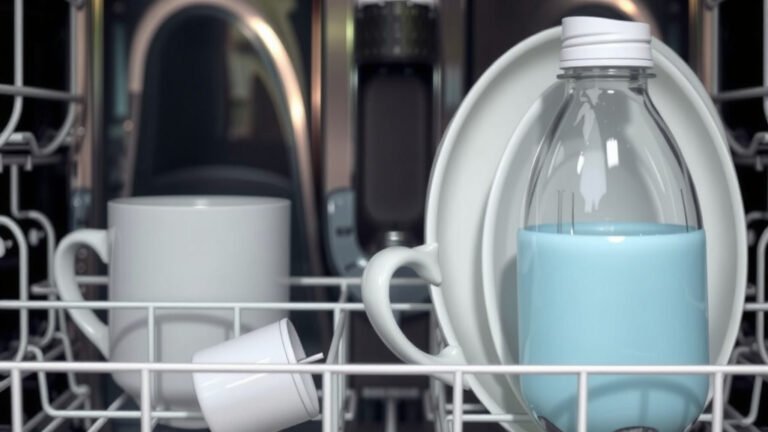
Yes, vinegar is a great natural cleaner for dishwashers. You can place a cup of white vinegar in a dishwasher-safe bowl on the top rack and run a hot cycle. This helps break down grease and mineral deposits, neutralizing odors effectively.
What’s that “rotten egg” smell coming from my dishwasher?
That sulfurous smell is often caused by bacteria that thrive in stagnant water or a clogged drain hose. Ensure water is draining properly after each cycle and clean out any debris in the drain hose or garbage disposal connection. Running a hot cycle with a specialized dishwasher cleaner can also help.
My dishwasher still smells after I’ve cleaned the filter. What else could it be?
If cleaning the filter didn’t solve the problem, check for grease buildup on the spray arms and interior walls. Also, inspect the door seals for mold or mildew. Running a cleaning cycle with vinegar or a commercial dishwasher cleaner can address these less obvious odor sources.
Is it okay to leave my dishwasher door slightly open after a cycle?
Yes, leaving the dishwasher door ajar after a cycle is a good practice. This allows moisture to escape and air to circulate, which helps prevent the growth of mold and mildew. It’s an easy way to keep your machine smelling fresher between washes.