Common Dishwasher Leaks: What’s Causing Yours
A dishwasher leaking is usually caused by a few common culprits. Often, it’s a clogged filter, a worn door seal, or improper loading that lets water escape. You might also be using the wrong type of detergent, which can cause excessive suds. Don’t worry, though; most leaks are pretty straightforward to fix.
When water pools around your dishwasher, it can feel like a big problem. But research and found that many issues stem from simple maintenance oversights. Understanding the common reasons for leaks can save you time and money on repairs. Let’s get your trusty kitchen appliance back to working order without the unwanted puddles.
- Check your filter for clogs.
- Inspect the door seal for damage.
- Ensure dishes are loaded correctly.
- Use only dishwasher-specific detergent.
- Verify the drain hose isn’t kinked.
Ready to stop the splash zone? We’ll walk you through the most likely reasons your dishwasher is leaking and how you can tackle them yourself.
Common Reasons Your Dishwasher Is Leaking
Seeing a puddle around your dishwasher can be a bit alarming. Don’t panic! Most dishwasher leaks have straightforward causes. We’ve researched this, and many issues come down to a few simple things you can check yourself. Let’s figure out why your dishwasher is letting water escape.
Door Seal Problems: The First Line of Defense
Your dishwasher has a rubber or vinyl seal around the door. This gasket is designed to create a watertight barrier. If this seal is damaged, it can cause water to leak out. It’s a pretty important job for such a simple-looking part.
Cracked or Worn Door Seal
Over time, the door seal can become brittle, cracked, or torn. This happens due to normal wear and tear. Food particles can also get stuck in the seal, preventing a tight closure. A worn seal just can’t keep water in. You might notice leaks primarily at the bottom corners of the door.
What to do: Inspect the entire length of the door seal. Look for any visible damage, such as cuts, cracks, or areas that feel stiff and unyielding. If you find damage, the seal needs to be replaced. This is often a DIY-friendly repair. You can usually find replacement seals specific to your dishwasher model online or at appliance parts stores.
Dirt and Debris on the Seal
Sometimes, the seal is perfectly fine, but it’s just dirty. Little bits of food, grease, or mineral deposits can stick to the rubber. This prevents the door from closing completely flush with the tub. It’s like trying to close a cabinet door with a rag stuck in the way.
What to do: Clean the door seal thoroughly. Use a damp cloth with a little mild dish soap or vinegar. Gently wipe down the entire seal, making sure to get into any grooves. Rinse the cloth and wipe away any soap residue. Ensure the seal is dry before running the dishwasher again.
Filter Issues: The Unsung Hero of Clean Dishes
Most modern dishwashers have a filter system at the bottom of the tub. This filter catches food particles so they don’t recirculate and clog the drain. If this filter gets clogged, water can’t drain properly. This can lead to leaks, especially during the drain cycle.
Clogged Filter Causes Overflow
When food debris and other gunk build up in the filter, the water has nowhere to go. This can cause the water level inside the dishwasher to rise higher than it should. An overfilled tub can then force water past the door seal or even through vents.
What to do: Locate your dishwasher’s filter. It’s usually at the bottom of the interior, near the spray arm. Consult your owner’s manual if you’re unsure. Remove the filter and rinse it under running water. Use a soft brush to scrub away any stubborn debris. This is typically a simple process that takes only a few minutes.
Improperly Reinserted Filter
Even if you clean the filter, putting it back in the wrong way can cause leaks. If it’s not seated correctly, it can create gaps. Water will then escape through these gaps during the wash or drain cycles.
What to do: Make sure the filter is securely locked back into place. Most filters have a twist-and-lock mechanism. You should feel or hear it click into position. Double-check that it’s snug and flush with the tub floor.
Loading Your Dishwasher Correctly
How you load your dishes matters more than you might think. Improper loading is a surprisingly common reason for leaks. If dishes are blocking spray arms or preventing the door from closing properly, you’re inviting trouble.
Blocking the Door Seal
Large items, like pots, pans, or cutting boards, can stick out too far. This can interfere with the door closing evenly. If the door isn’t sealed tight all around, water can find its way out. It’s like leaving a gap in your umbrella.
What to do: Ensure no dishes are protruding from the racks. Keep taller items towards the sides or back of the dishwasher. Always check that the door can close smoothly and without resistance before starting a cycle.
Obstructing Spray Arms
The spray arms need to spin freely to distribute water effectively. If dishes are placed too high or too close together, they can block the spray arms. This not only affects cleaning performance but can also cause water to be deflected incorrectly. This can lead to water pooling in the wrong places.
What to do: Load dishes so they don’t interfere with the spray arms. Make sure the upper rack doesn’t have items hanging down too low. Check that the spray arms can rotate 360 degrees unimpeded. Your owner’s manual will have diagrams for optimal loading.
Detergent Use: More Suds, More Problems
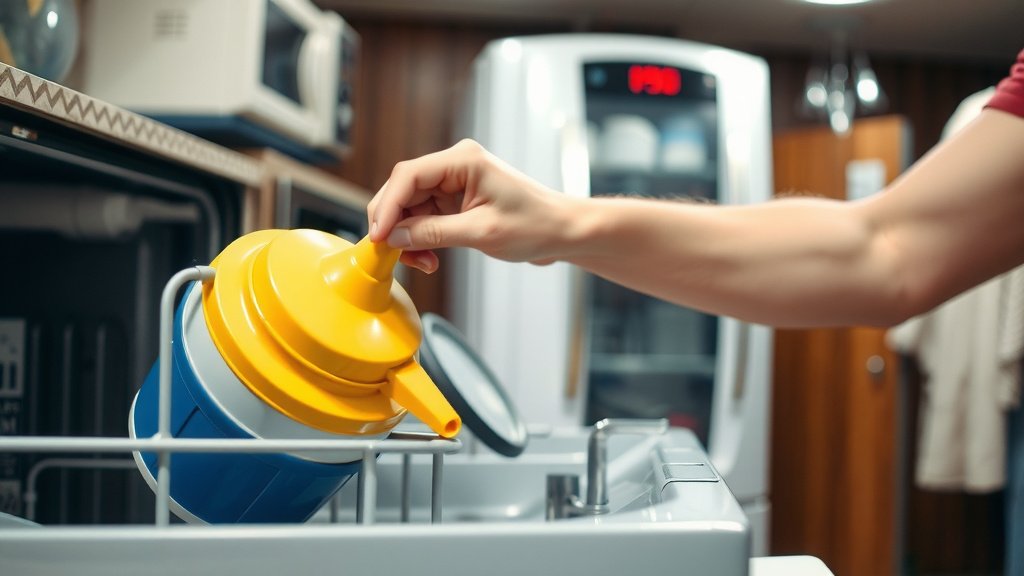
Using the wrong type or amount of detergent is a frequent culprit for dishwasher leaks. Dishwashers are designed for specific detergents. Using something else can create an overflow of suds.
Too Much Detergent
Dishwashers are efficient. They don’t need a lot of detergent to get dishes clean. Using more than recommended can create excessive suds. These suds can expand and push water out of the tub. It’s like overfilling a bubble bath.
What to do: Always follow the detergent manufacturer’s instructions. Most dishwashers require only a small amount of detergent. If you’re using a powder or gel, use the dispenser cup as a guide. For pods, use only one per cycle, unless your manual suggests otherwise.
Using Dish Soap Instead of Dishwasher Detergent
This is a classic mistake that causes a sudsy mess. Regular dish soap (the kind you use for handwashing dishes) creates a lot more suds than dishwasher detergent. One small squirt can fill your entire dishwasher with foam. Many experts warn against this (Good Housekeeping).
What to do: Only use detergent specifically labeled for automatic dishwashers. Never use liquid dish soap meant for handwashing. If you accidentally used hand soap, you’ll need to run a rinse cycle or two to clear out the suds before running a proper wash cycle.
Drain Hose Issues: The Water’s Exit Route
The drain hose carries dirty water from your dishwasher to your sink’s drain or garbage disposal. If this hose is damaged or improperly installed, leaks can occur.
Kinked or Bent Drain Hose
A kink in the drain hose prevents water from flowing out properly. This can cause water to back up in the dishwasher. The excess water might then spill out. It’s like trying to drink through a straw that’s been bent sharply.
What to do: Check the entire length of the drain hose, especially where it connects behind the dishwasher and under the sink. Ensure there are no sharp bends or kinks. Gently straighten any bent sections. Make sure the hose isn’t compressed by the dishwasher itself when pushed back into place.
Loose or Damaged Hose Connection
The hose connects to the dishwasher and to the drain pipe under your sink. If these connections are loose or the hose is cracked near the connection point, water can leak. This often results in drips under the sink or at the back of the appliance.
What to do: Inspect the hose connections at both ends. Tighten any clamps if they appear loose. Look for any signs of cracking, splitting, or wear on the hose itself, particularly near the fittings. If the hose is damaged, it will need to be replaced.
Checking the Water Inlet Valve
This valve controls the flow of water into your dishwasher. If it malfunctions or becomes loose, it can lead to leaks.
Leaky Water Inlet Valve
The water inlet valve is usually located at the back of the dishwasher, where the water supply line connects. If the valve itself is cracked or the connection to the water supply line is loose, water can drip out. You might notice water pooling near the back of the dishwasher.
What to do: Turn off the water supply to the dishwasher at the shut-off valve. Check the connection point where the water supply hose attaches to the inlet valve. Tighten it gently. If the valve body itself appears to be cracked or leaking, it will need to be replaced. This repair often requires a service technician.
Here’s a quick checklist to help you tackle those leaks:
- Clean the dishwasher filter.
- Wipe down the door seal.
- Check for dishes blocking the door or spray arms.
- Use only dishwasher-specific detergent.
- Inspect the drain hose for kinks.
- Ensure the door closes tightly.
Conclusion
You’ve now learned the most common reasons your dishwasher might be leaking. From simple maintenance like cleaning a filter or wiping down a door seal, to proper loading and using the right detergent, these fixes are often within your reach. Don’t let water puddles discourage you. Most leaks stem from issues you can easily identify and address yourself.
Take a moment to review your dishwasher for these common culprits. By performing these checks, you can likely solve the problem and get your dishwasher back to its leak-free best. If you’ve tried these steps and the leak persists, it might be time to call a professional.
Frequently Asked Questions
My dishwasher is leaking from the bottom. What should I check first?
Start by checking your dishwasher’s filter at the bottom of the tub. A clogged filter can cause water to back up and spill out. Also, inspect the door seal thoroughly for any damage or debris that might prevent a tight closure.
Can I use regular dish soap if I run out of dishwasher detergent?
Absolutely not. Regular dish soap creates far too many suds for a dishwasher. Using it can cause a massive overflow of foam that can leak out and make a big mess. Always stick to detergent specifically made for automatic dishwashers.
How often should I clean my dishwasher filter?
It’s a good practice to clean your dishwasher filter at least once a month. If you notice your dishes aren’t getting clean, or if you’ve experienced a leak, check the filter immediately. Regular cleaning prevents clogs and improves performance.
Is it normal for a little water to be on the door seal after a cycle?
A small amount of moisture on the door seal can be normal, especially after a hot cycle. However, you shouldn’t see water pooling or dripping down the front of the dishwasher. If you see more than just dampness, inspect the seal for damage or debris.
What if I can’t find the source of the leak?
If you’ve checked the filter, door seal, and drain hose, and you still can’t identify the leak source, it might be a more complex issue. Problems with the water inlet valve or internal hoses could be the cause, and these may require a service technician.