
What Is a Built-In Dishwasher? Your Guide
A built-in dishwasher is a kitchen appliance designed to wash your dishes automatically. It fits snugly into your kitchen cabinetry, offering a streamlined and integrated look. This saves you time and energy compared to washing dishes by hand.
Think of it as a hidden helper for your kitchen chores. Unlike portable models, it’s a permanent fixture that becomes part of your kitchen’s design. Many homeowners prefer them for their convenience and aesthetic appeal in modern homes.
- Washes dishes automatically.
- Fits under your counter.
- Looks like kitchen cabinets.
- Saves you scrubbing time.
Ready to see how this kitchen marvel works? Let’s dive into what makes a built-in dishwasher so handy.
Understanding the Built-In Dishwasher Concept
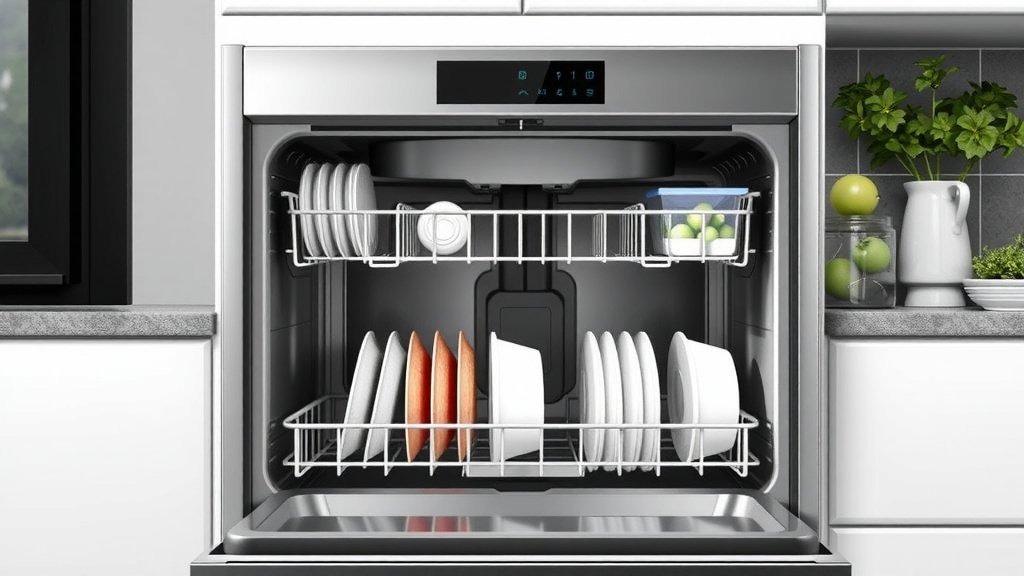
So, what exactly is a built-in dishwasher? It’s a kitchen appliance that’s designed to be a permanent fixture in your kitchen. It slides right into a dedicated space under your countertops. This means it’s integrated with your kitchen’s cabinetry, creating a clean, unified look. Unlike portable dishwashers, it doesn’t move around. It’s installed to be part of your kitchen’s design, much like your oven or refrigerator.
How it Blends In
The magic of a built-in dishwasher is its ability to blend in. The front panel of the dishwasher can be fitted with a cabinet door that matches your existing kitchen cabinets. This is called a fully integrated model. You might not even know it’s there until you see the small control panel, often hidden along the top edge of the door. This creates a very sleek and modern kitchen aesthetic. Even semi-integrated models, which have a visible control panel, still fit snugly under the counter and offer a tidy appearance.
The Installation Process
Getting a built-in dishwasher means it gets permanently installed. It connects to your kitchen’s plumbing for water supply and drainage. It also hooks up to your home’s electrical system for power. This installation is usually done by a professional installer. They ensure everything is connected safely and correctly. Once installed, it’s designed to stay put. You won’t be rolling it out to connect it to a sink faucet like some portable units.
Key Components and How They Work Together
A built-in dishwasher isn’t just a box that sprays water. It’s a carefully engineered system designed for maximum cleaning efficiency. Let’s break down the main parts you’ll find inside.
The Wash System
At the heart of the dishwasher is the wash system. This involves several key components working in harmony. Water is drawn from your home’s supply and heated to the right temperature, often between 130-160°F. This hot water is then mixed with detergent. Powerful spray arms, usually located at the bottom and sometimes mid-level, rotate and spray this mixture forcefully onto your dishes. The goal is to dislodge food particles and grease. Think of it as many small, targeted water jets cleaning every surface.
Spray Arms
These are the spinning arms that distribute the water. Most built-in models have at least one lower spray arm, and many feature an upper spray arm as well. Some high-end models even have a third spray arm at the very top for exceptional cleaning of items in the top rack. The rotating motion ensures water reaches all corners of the tub.
Water Jets
The holes in the spray arms are carefully designed water jets. Their size and angle are engineered to create optimal pressure and coverage. This concentrated force is what does the heavy lifting in removing stubborn food debris.
Filtration System
As the wash water circulates, it collects food particles. A good dishwasher has a robust filtration system to catch these bits. This prevents them from being redeposited onto your clean dishes. Most built-in dishwashers have multiple filters, often including a coarse filter and a fine filter. We found that regular cleaning of these filters is essential for optimal performance and preventing odors.
Drying Mechanism
After the wash and rinse cycles, the dishes need to dry. Built-in dishwashers use various methods. The most common is heated drying, where a heating element at the bottom of the tub warms the air. Some models use a fan to circulate this warm air. Others utilize condensation drying. This method uses the residual heat from the hot rinse cycle to evaporate water. The stainless steel interior of the tub helps condense moisture, which then drains away. Many ENERGY STAR certified models focus on energy-efficient drying methods.
Racks and Baskets
You’ll find sturdy racks designed to hold your dishes. The bottom rack is typically for plates, bowls, and pots. The top rack is usually for glasses, cups, and smaller items. Many racks are adjustable, allowing you to customize the space. Some have fold-down tines to accommodate larger items. There’s also usually a silverware basket, often divided, to keep forks, knives, and spoons separated for better cleaning.
Benefits of Opting for a Built-In Model
Choosing a built-in dishwasher offers several advantages over other types. They are the most popular choice for homeowners for good reasons.
Aesthetic Appeal and Kitchen Flow
The primary draw for many is the seamless look they provide. When installed with matching cabinet fronts, they become virtually invisible. This contributes to a clean, uncluttered kitchen design. They don’t break up the lines of your cabinetry. This creates a more cohesive and visually pleasing space. It’s like having a secret weapon against dirty dishes that stays hidden.
Space Efficiency
Built-in models are designed to fit perfectly into standard cabinet openings. This means they don’t take up extra floor space like a portable unit might. They utilize the space under your counter effectively. This is especially beneficial in smaller kitchens where every inch counts. You gain the convenience of a dishwasher without sacrificing valuable living area.
Convenience and Time Savings
Let’s face it, who enjoys washing dishes by hand? A built-in dishwasher automates this chore. You simply load it, add detergent, and press a button. This frees up your time for more enjoyable activities. Many studies highlight the time savings, with the average household spending hours per week on manual dishwashing. Researchers have found that automatic dishwashers can save a significant amount of water and energy compared to handwashing, especially when run with a full load (ENERGY STAR).
Increased Home Value
Modern kitchens often include a built-in dishwasher as a standard appliance. Having one can enhance the appeal and value of your home. Buyers often look for these integrated features. It signals a well-equipped and thoughtfully designed kitchen. This can be a selling point when you decide to move.
Types of Built-In Dishwashers
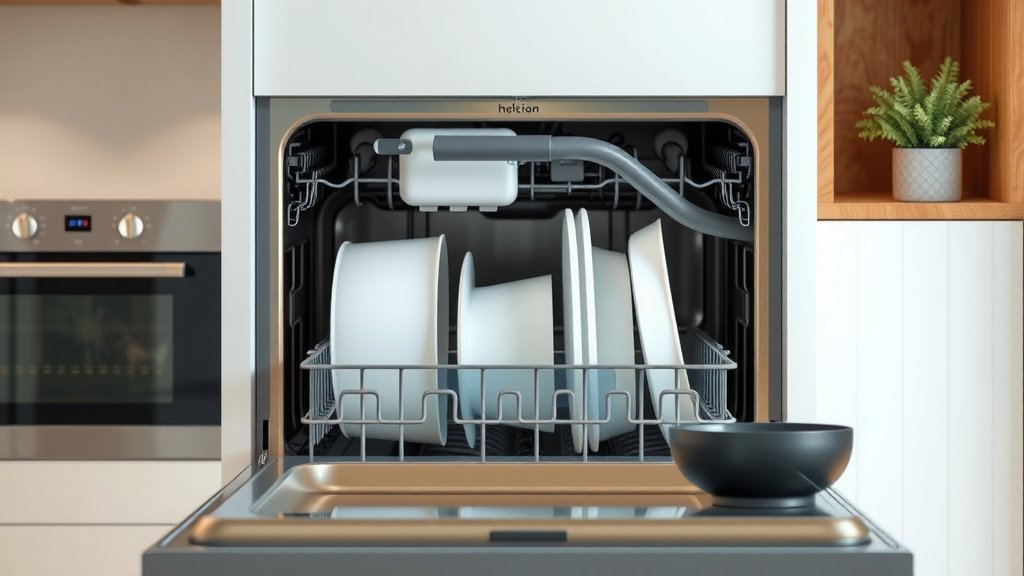
While they all fit under the counter, there are a few variations to consider.
Standard Built-In
These are the most common. They feature a visible control panel on the front door. This panel includes buttons and a display for selecting cycles and monitoring progress. They offer a straightforward and functional option.
Fully Integrated
As mentioned earlier, these models have hidden controls. The front of the dishwasher is completely covered by a panel that matches your cabinetry. This provides the ultimate in a discreet and integrated look. The control panel is usually located along the top edge of the door and is only visible when the door is slightly ajar or if it has an indicator light that shines onto the floor.
Semi-Integrated
These strike a balance. They have a section of cabinetry on the front, but the control panel is visible. This offers a blended look while keeping the controls easily accessible. You get a streamlined appearance with added user convenience.
What to Look for in a Built-In Dishwasher
When you’re ready to buy, keep a few things in mind to ensure you get the best fit for your needs.
- Capacity: How many place settings do you need to wash?
- Noise Level: Look for models with low decibel (dB) ratings for quieter operation.
- Energy Efficiency: ENERGY STAR certified models can save you money on utility bills.
- Wash Cycles: Do you need specialized cycles like a quick wash, heavy-duty, or delicate setting?
- Drying Performance: Consider how important fast, efficient drying is to you.
Making an informed choice means your new appliance will be a welcome addition to your kitchen for years to come.
Conclusion
You’ve learned that a built-in dishwasher is more than just an appliance; it’s a core component of your kitchen’s design. It offers that sleek, integrated look you desire, while also saving you precious time and effort. From its clever wash system to its efficient drying methods, it’s engineered to handle your dishes with ease. Choosing the right one means enjoying a cleaner kitchen and more free time. Ready to upgrade your kitchen experience? Explore models that fit your space and your style today.
Frequently Asked Questions
Can a built-in dishwasher be removed and reinstalled elsewhere?
Built-in dishwashers are designed for permanent installation. While they can be removed, it involves disconnecting plumbing and electrical connections. Reinstalling one in a different location or kitchen would require similar professional setup. They are not intended for frequent moving like portable units.
How do I know if I have enough space for a built-in dishwasher?
Standard built-in dishwashers typically require a 24-inch wide opening under your counter. You’ll also need adequate height and depth for the unit, usually around 34-35 inches high and 24 inches deep. It’s wise to measure your existing cabinet space or the intended spot before shopping.
Are built-in dishwashers noisy?
Modern built-in dishwashers are designed for quiet operation. You’ll often see decibel (dB) ratings listed for models; lower numbers mean quieter performance. Many homeowners find that units below 50 dB are barely audible over normal kitchen sounds. Researching dB ratings will help you find a quiet model.
What maintenance do built-in dishwashers require?
Regular cleaning of the filter is essential for optimal performance and to prevent odors, as research has found. You should also periodically wipe down the interior and check the spray arms for clogs. Running an occasional cleaning cycle with a dishwasher cleaner can also help keep it running smoothly.
Do built-in dishwashers use a lot of water and energy?
Compared to handwashing, modern built-in dishwashers are generally more water and energy-efficient, especially when run with full loads. ENERGY STAR certified models are designed to meet strict energy efficiency guidelines, saving you money on utility bills and reducing environmental impact. You can find these certifications on many models.