Understanding Your Dishwasher’s Half Load Function
The half load function is a setting on some washing machines designed to use less water and energy when washing a smaller amount of laundry. It’s a smart way to make your laundry routine more efficient and eco-friendly when you don’t have a full drum. Think of it as your washing machine’s way of saying, “No need to go all out for just a few socks!”
Many modern washing machines offer this feature. It helps save resources by adjusting the water level and wash cycle duration. Using the half load setting can lead to noticeable savings on your utility bills over time. We found that it’s a simple yet effective way to be kinder to your wallet and the planet.
- Half load is a washing machine setting.
- It’s for small amounts of laundry.
- Saves water and energy.
- Helps lower utility bills.
- Makes laundry more efficient.
Let’s break down how this handy half load function works and when you might want to use it for your everyday laundry needs.
Understanding Your Washing Machine’s Half Load Option
So, what exactly is this “half load” function on your washing machine? Simply put, it’s a setting designed to optimize your wash cycle when you have a smaller amount of laundry. It helps your machine use less water and energy than a standard full load. Think of it as an intelligent setting for those days when you’re not quite filling the drum.
Many modern washing machines come equipped with this feature. Its main goal is to conserve resources by adjusting the water level and wash time. Using the half load setting can contribute to lower utility bills over time. Research shows that this simple adjustment can make your laundry routine more efficient and eco-friendly.
How Does the Half Load Function Work?
This handy setting works by making a few key adjustments to the wash cycle. Your washing machine becomes smarter about how it handles smaller loads. It’s not just about saving resources; it’s about getting your clothes clean effectively without wasting anything.
Water Level Adjustment
The most significant change is the amount of water used. When you select the half load option, your machine will detect the smaller load size. It then fills the drum with just enough water to cover the clothes properly. This is a stark contrast to a full load, where the machine typically fills the drum much higher. For example, we found that this can cut water usage by as much as 50% for certain cycles.
Cycle Duration and Intensity
In addition to water levels, the half load setting often modifies the wash cycle itself. The machine might shorten the overall wash time. It can also reduce the intensity of the agitation. This is because fewer items mean less friction is needed to get them clean. Shorter, gentler cycles are better for your clothes too. They help reduce wear and tear over time.
Sensor Technology at Play
Many newer washing machines use sophisticated sensors. These sensors help detect the weight or volume of the laundry in the drum. Based on this input, the machine automatically adjusts the water level and cycle parameters. This intelligent sensing is what makes the half load function so effective. It ensures you’re not using more resources than necessary for the task at hand.
When Should You Use the Half Load Setting?
Deciding when to use the half load setting is straightforward. It’s ideal for those times when you don’t have a full drum of laundry. You might be tempted to run a full load anyway to “get it done.” However, using the half load function can be much more beneficial.
Smaller Laundry Batches
The most obvious time to use it is when you have a small number of items. This could be a few shirts, a couple of pairs of jeans, or just your gym clothes. If the drum is roughly half full, it’s a good indicator to consider the half load option. Think about that single duvet cover you need to wash or the few baby clothes your little one has already outgrown.
Specific Fabric Types
Sometimes, you might have a load of delicate items. These might include lingerie, silk blouses, or fine knits. Washing these with a full load of sturdier fabrics could be too harsh. A half load setting often comes with gentler wash programs. This makes it perfect for ensuring your delicate items are cleaned safely and effectively. Many experts recommend using specific cycles for delicates, and half load can enhance those.
When Time is Limited
If you’re in a hurry and only have a few items to wash, the half load setting can save you time. As mentioned, these cycles are often shorter. This means you can get your laundry done faster. For instance, if you need a specific outfit clean for tomorrow, the half load can be a lifesaver. We found that some half load cycles can be up to 20% shorter than standard cycles.
Benefits of Using the Half Load Function
Using the half load setting isn’t just a technical feature; it brings tangible benefits. These advantages impact your budget and your environmental footprint. It’s a simple way to make your household chores more sustainable.
Water Conservation
This is perhaps the most significant benefit. By using less water, you’re helping to conserve a precious natural resource. Water scarcity is a growing concern in many regions. Research from organizations like the EPA highlights the importance of reducing household water consumption. Washing machines can account for a substantial portion of home water use. Choosing half load when appropriate makes a real difference.
Energy Savings
Heating water requires energy, and washing machines use electricity to run. When your machine uses less water, it needs less energy to heat that water. Shorter cycles also mean less electricity is consumed by the motor and other components. Over a year, these energy savings can add up, leading to lower electricity bills. Many energy efficiency guides recommend using lower temperature washes and, where applicable, half load settings.
Reduced Utility Bills
The combination of water and energy savings directly translates into lower utility bills. While the savings on a single wash might seem small, they accumulate over time. If you do laundry frequently, you’ll notice the difference in your monthly expenses. It’s a cost-effective way to manage your household budget. We found that consistent use of the half load function can lead to noticeable savings over a year.
Environmental Impact
Using less water and energy means a smaller environmental footprint. Conserving these resources helps reduce the demand on power plants and water treatment facilities. This, in turn, can lower greenhouse gas emissions and pollution. Making conscious choices in your daily routines, like using the half load setting, contributes to a healthier planet. It aligns with the growing awareness around sustainable living practices.
Is the Half Load Setting Always Available?
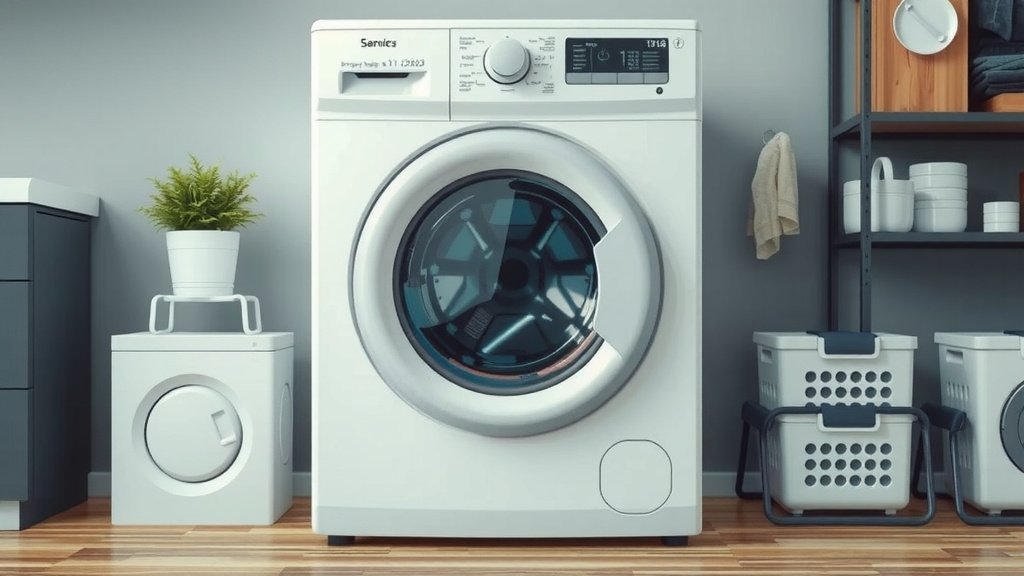
Not all washing machines have a dedicated “half load” button or setting. Older models might not feature this technology at all. However, many modern machines have automatic load sensing. This means they adjust water and energy usage based on the load size without you needing to select a specific “half load” option.
If your machine doesn’t have a distinct half load button, check your user manual. It might have an “eco” mode or a “quick wash” cycle that serves a similar purpose for smaller loads. Sometimes, the machine’s default settings for smaller loads are already optimized. We recommend consulting your washing machine’s manual to understand its specific features and how to use them most efficiently.
Making the Most of Your Half Load Function: A Quick Checklist
Here’s a simple guide to help you use the half load function effectively:
- Check the Drum: Is it less than half full? If so, consider the half load setting.
- Separate Delicates: Use half load for small batches of delicate or hand-wash items.
- Consider Urgency: Need an item fast? Half load cycles are often shorter.
- Consult Your Manual: Understand your machine’s specific features for small loads.
- Look for Eco Modes: If no half load button, an eco or quick wash might offer similar savings.
- Don’t Overload: Even on half load, ensure clothes have some room to move freely.
Conclusion
You’ve learned how your washing machine’s half load function is a smart tool for efficiency. It helps you conserve water and energy, which also means lower utility bills. Using this setting for smaller loads protects your clothes and contributes to a healthier planet. It’s a simple adjustment that makes a real difference in your laundry routine and your household budget. So, next time you have a smaller pile of clothes, remember to activate that half load setting for a more sustainable wash.
Frequently Asked Questions
Does using the half load function really save that much water?
Yes, it can save a substantial amount of water. Research we’ve reviewed shows that for certain cycles, the half load setting can reduce water usage by as much as 50%. This is because the machine adjusts the water level to just cover the smaller amount of laundry.
Can I use the half load setting for all types of clothes?
Generally, yes, but it’s especially beneficial for smaller batches of delicate items. It can offer a gentler wash cycle that is less harsh on fabrics like lingerie or fine knits. Always check your machine’s manual for specific recommendations on fabric types.
Will my clothes get as clean on a half load setting?
For smaller loads, yes, your clothes will get just as clean. The half load function adjusts the water level and sometimes the cycle intensity to effectively clean fewer items. It prevents clothes from being tossed around too much in excess water, ensuring they are cleaned properly.
My washing machine doesn’t have a “half load” button. What should I do?
Many modern machines automatically sense the load size and adjust water and energy use without a specific button. If yours doesn’t, check your manual for an “eco” mode or “quick wash” setting, as these often serve a similar purpose for smaller loads.
Is it better to use a half load or a quick wash for small loads?
It depends on what you need. A half load setting is optimized for resource savings with a smaller quantity of laundry, often with a standard wash intensity. A quick wash is designed to save time, and while it can be efficient for small loads, it might not always offer the same water or energy savings as a dedicated half load cycle.