What is Rinse Aid: Your Guide to Spotless Dishes
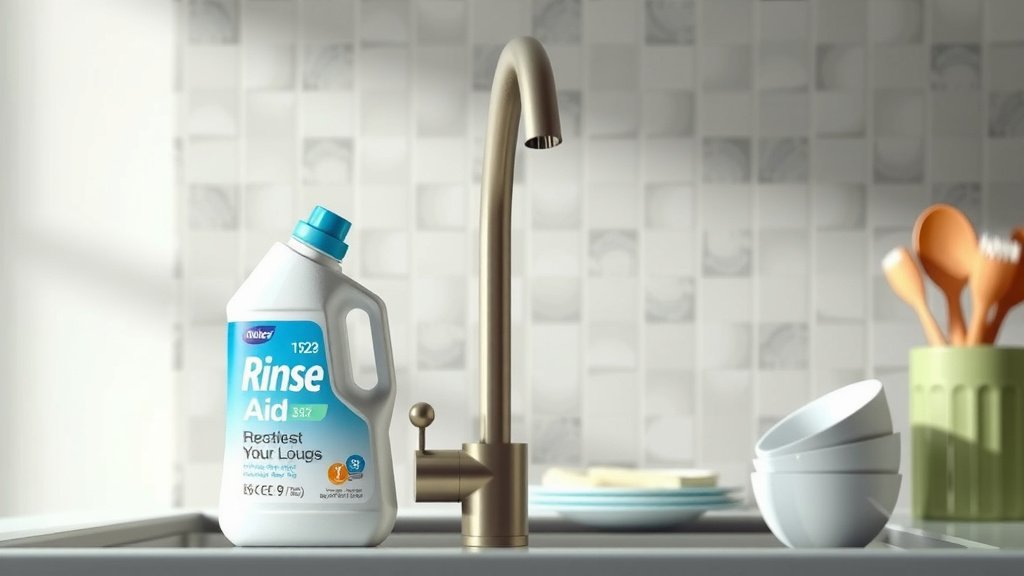
Rinse aid is a liquid drying agent you add to your dishwasher. It helps your dishes dry faster and prevents water spots. Think of it as your dishwasher’s secret weapon for a truly sparkling clean.
Without rinse aid, you might notice your glasses look cloudy. Your silverware may also come out streaky. Many experts say rinse aid is essential for optimal dishwashing performance. It works by reducing water surface tension.
- Rinse aid helps dishes dry better.
- It prevents annoying water spots and streaks.
- It’s especially useful for glassware.
- Many dishwashers have a special dispenser for it.
Let’s dive into exactly what rinse aid does and why you should be using it in your dishwasher.
You’ve got your trusty dishwasher, and you load it up like a pro. But when the cycle finishes, your glasses still have water spots, and your forks look a bit hazy. What gives? You might be missing a key player: rinse aid.
Understanding Your Dishwasher’s Secret Weapon
So, what exactly is this magical liquid called rinse aid? Think of it as a special liquid that helps your dishwasher work its best. It’s designed to tackle those pesky water spots and help your dishes dry more effectively. Many dishwashers have a small compartment just for it, often right next to where you put your detergent.
When you use rinse aid, you’re essentially giving your dishes a helping hand. It makes water sheet off surfaces instead of clinging to them. This means less water is left behind to evaporate and cause those dreaded spots. It’s especially a superhero for your glassware and any items that tend to hold onto water.
How Does Rinse Aid Actually Work?
The science behind rinse aid is pretty straightforward. Its main job is to reduce the surface tension of water. Imagine water droplets on a surface. Without rinse aid, these droplets tend to hold their shape, leaving rings or spots as they dry. Rinse aid makes the water spread out into a thin, even film.
This thin film of water then runs off the dishes much more easily. It’s like the difference between a single, large raindrop and a fine mist. The mist spreads and evaporates quicker. This process is key to achieving that streak-free shine you’re hoping for after a wash cycle.
The Role of Surfactants
Rinse aid contains special ingredients called surfactants. These are chemicals that lower the surface tension of liquids. When added to the rinse cycle, the surfactants in rinse aid mix with the hot water. This mixture then coats your dishes.
These surfactants help water flow off dishes in sheets rather than in individual beads. This means less water is left behind. Less water means faster drying and fewer chances for mineral deposits to form those annoying water spots. Many experts agree that surfactants are the workhorses of rinse aid (National Center for Biotechnology Information).
Why This Matters for Your Dishes
When water doesn’t sheet off properly, it can leave behind minerals from your local water supply. These minerals are what cause those cloudy or spotty marks. They are especially noticeable on clear glasses and shiny silverware. Rinse aid combats this by ensuring the water slides away cleanly.
This is particularly helpful if you have hard water. Hard water has a higher concentration of minerals. Without rinse aid, you’ll likely see more spots and streaks. Using rinse aid can make a noticeable difference in the final appearance of your cleaned items.
When Should You Be Using Rinse Aid?
If you want your dishes to come out of the dishwasher truly dry and spot-free, you should consider using rinse aid. It’s not just about aesthetics; it’s about proper drying. Wet dishes can sometimes lead to water damage on cabinetry or other items stored nearby.
Many people find that they need rinse aid most during specific times. This includes when using hotter wash cycles or when dealing with particularly humid conditions. It’s also a lifesaver for items that don’t dry well on their own. Think of plastics or items with complex shapes.
Signs You Might Need Rinse Aid
Are your glasses still wet and showing watermarks after a cycle? Do you find yourself wiping down silverware with a towel after the dishwasher is done? These are strong indicators that your dishwasher could benefit from rinse aid.
You might also notice that the inside of your dishwasher tub is still wet. This can sometimes mean that water isn’t draining as efficiently as it should. Rinse aid helps water flow off all surfaces, leading to a drier load overall. It’s a simple fix for a common problem.
The Importance for Glassware
Glassware is particularly susceptible to water spots. Because it’s transparent, any marks or residue are highly visible. Rinse aid is often recommended as a must-use for anyone who wants their wine glasses, tumblers, and water glasses to sparkle.
When water beads on glass, it dries into those distinct white spots. Rinse aid prevents this by making the water form a thin film that runs off. This leaves the glass clear and shiny. It’s a small step that makes a big difference for your drinkware. Many glassware manufacturers suggest its use (Glass Manufacturers Association).
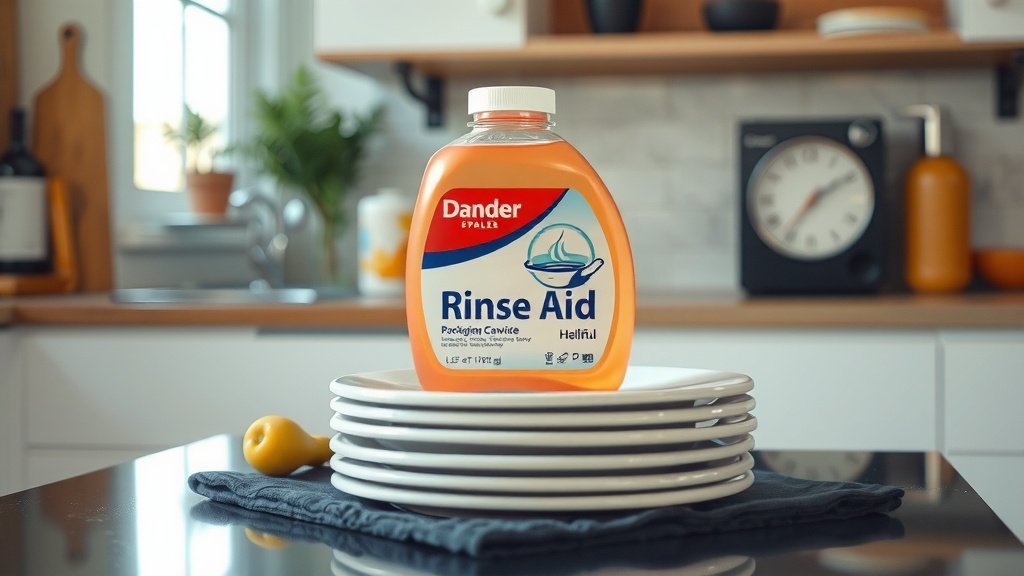
How to Properly Use Rinse Aid
Using rinse aid is incredibly simple. Most dishwashers have a dedicated dispenser. You’ll find it usually near the detergent dispenser, often with a small arrow or symbol indicating it’s for rinse aid.
To fill it, simply open the dispenser cap. Pour in your chosen rinse aid until the indicator shows it’s full or the liquid reaches the fill line. You don’t need to add it with every wash. The dispenser releases a small amount automatically during the final rinse cycle.
Filling the Dispenser
The dispenser usually has a clear window or an indicator light. This tells you when it’s getting low. Most dispensers hold enough rinse aid for several weeks or even months of typical use. How often you refill depends on how often you run your dishwasher and the specific model.
Check your dishwasher’s manual for specific instructions on how to fill and maintain the rinse aid dispenser. It’s a straightforward process that requires no special tools. Just pour and go!
Adjusting the Dosage
Many dishwashers allow you to adjust the amount of rinse aid dispensed. You might see settings like 1, 2, 3, or 4. A lower setting means less rinse aid is used. A higher setting means more is released.
If you have soft water, you might not need a lot of rinse aid. You could try a lower setting. If you have hard water or are still experiencing spots, try increasing the setting. Experimenting a little can help you find the perfect balance for your water and your dishwasher.
| Problem | Rinse Aid Solution | Why It Works |
|---|---|---|
| Water spots on glasses | Reduces water surface tension | Water sheets off instead of beading and drying |
| Cloudy film on dishes | Prevents mineral deposit buildup | Less residue is left behind after rinsing |
| Dishes still wet after cycle | Aids in faster drying | Water evaporates more quickly from surfaces |
| Streaks on silverware | Ensures a clean, even rinse | No water is left to dry in streaks |
Common Rinse Aid Mistakes to Avoid
While rinse aid is simple to use, there are a few common pitfalls. One mistake is forgetting to refill the dispenser. If it’s empty, the rinse aid won’t be dispensed. Your dishes will likely show the consequences.
Another mistake is using too much detergent. An excessive amount of detergent can create too many suds. This can interfere with the rinse aid’s ability to do its job properly. Always follow the recommended detergent dosage for your machine.
Overfilling the Dispenser
While you want to keep the dispenser filled, you don’t want to spill it everywhere. Be careful when refilling. If you do spill some rinse aid, wipe it up immediately. Excess rinse aid can sometimes cause extra suds or affect the drying performance.
Also, make sure you’re using actual rinse aid, not something else. Some people might be tempted to use dish soap, but this is a big no-no. Dish soap is designed to create suds, which can overflow your dishwasher and create a giant mess.
Using the Wrong Product
It’s important to use a product specifically labeled as “rinse aid” for automatic dishwashers. There are various types, including liquids, gels, and pods that contain rinse aid. Ensure the product is compatible with your dishwasher model. Always follow the manufacturer’s recommendations.
Using alternatives like vinegar is sometimes suggested for cleaning, but it’s not a direct substitute for rinse aid in terms of performance. Rinse aid is formulated to provide specific drying and spot-prevention benefits during the rinse cycle. Vinegar might help with mineral buildup, but it doesn’t have the same effect on surface tension (Consumer Reports).
Here’s a quick checklist to ensure you’re getting the most out of your rinse aid:
- Check your rinse aid level regularly. Keep the dispenser topped up.
- Use the correct product. Only use dishwasher rinse aid.
- Adjust the dosage. Fine-tune it for your water hardness.
- Wipe up spills. Clean any excess rinse aid immediately.
- Consult your manual. Understand your specific dispenser features.
- Watch for results. Notice if spots and streaks decrease.
Conclusion
You’ve learned how rinse aid is your dishwasher’s ally for achieving truly spotless and dry dishes. By reducing water’s surface tension with its surfactant ingredients, it ensures water sheets off, preventing those frustrating water spots and streaks. This simple addition can transform your glassware and cutlery from just clean to brilliantly sparkling. Don’t let cloudy dishes be the norm. Make sure your rinse aid dispenser is topped up and adjusted correctly for your water type. Your next dish load will thank you for it!
Frequently Asked Questions
How often should I refill my rinse aid dispenser?
Most rinse aid dispensers hold enough for several weeks to a few months of use. Check the indicator on your dispenser regularly. Refill it when it looks low to ensure it’s always ready to help with drying.
Can I use vinegar instead of rinse aid?
While vinegar can help with some hard water mineral buildup, it’s not a direct replacement for rinse aid. Rinse aid is specifically formulated to lower surface tension for better sheeting and drying, which vinegar doesn’t do as effectively.
What happens if I don’t use rinse aid?
Without rinse aid, you’ll likely notice more water spots, especially on glassware. Your dishes may also come out of the dishwasher wetter, leading to longer drying times or even streaks if you manually dry them.
Is rinse aid necessary for all dishwashers?
While not strictly mandatory, rinse aid is highly recommended for optimal performance in almost all dishwashers. It significantly improves drying and reduces spots, especially if you have hard water or use hotter wash cycles.
Can using too much rinse aid be a problem?
Yes, using too much rinse aid can sometimes lead to excess suds or even a residue on your dishes. Most dishwashers have an adjustable setting for dosage; experiment to find the right level for your home.