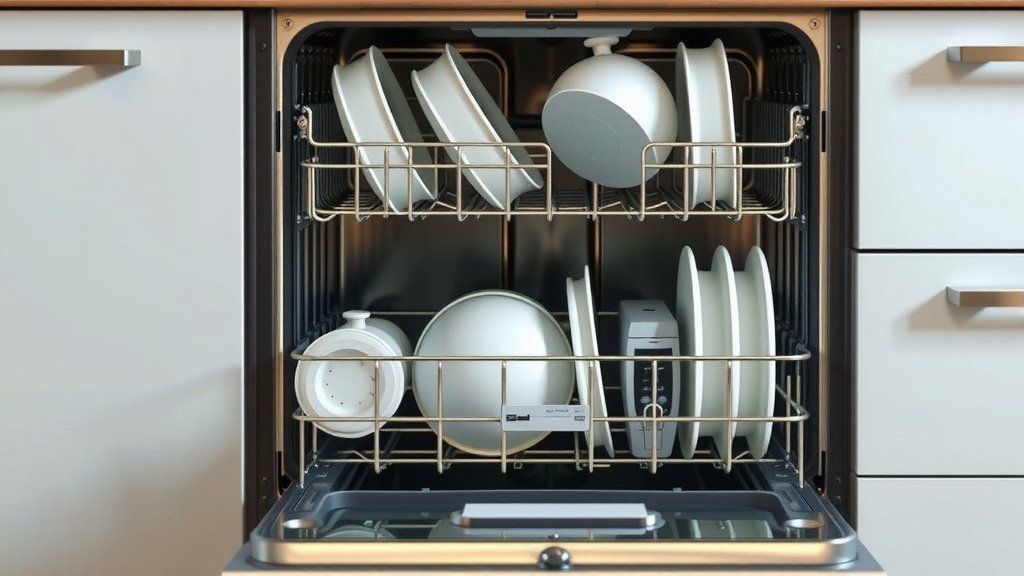
How to Replace a Dishwasher: Step-by-Step Guide
Yes, you can absolutely replace your dishwasher yourself! With some basic tools and careful preparation, replacing a dishwasher is a manageable DIY project. The key steps involve shutting off power and water, disconnecting the old unit, and then connecting the new one. You’ll save a good amount of money by avoiding professional installation fees.
While it might seem a bit daunting, many homeowners successfully tackle this task. We found that understanding the plumbing and electrical connections is the most important part. Taking your time to follow the instructions ensures everything is hooked up safely and correctly. It’s a rewarding project that can modernize your kitchen.
- Turn off power and water to the old dishwasher.
- Carefully disconnect all hoses and wires.
- Remove the old appliance from its spot.
- Connect the new dishwasher, ensuring a good seal.
- Test for leaks and proper operation.
Ready to get started? Let’s walk through exactly how to replace your dishwasher step by step, making sure you have all the information you need for a smooth transition.
Your Guide to Replacing a Dishwasher
You’re ready to swap out that old dishwasher for a shiny new one. We found that replacing a dishwasher is a very achievable DIY project. It might seem a bit overwhelming at first glance, but breaking it down makes it much simpler. You’ll be saving money on installation costs too, which is always a win.
Gathering Your Tools and Supplies
Before you even think about touching the old dishwasher, let’s make sure you have everything you need. Having the right tools on hand will make the process much smoother and safer. You don’t want to be halfway through and realize you’re missing a critical item.
Essential Tools You’ll Need
- Adjustable wrench
- Phillips and flathead screwdrivers
- Pliers (needle-nose and standard)
- Bucket or towels for potential water spills
- Voltage tester (non-contact is easiest)
- Wire strippers/cutters
- Duct tape
- Putty knife or utility knife
- Safety glasses
- Work gloves
Important Supplies to Have
Besides tools, you’ll want a few supplies ready. These will help with connections and any minor fixes.
- New dishwasher installation kit: This often includes a new water supply line, power cord, and drain hose. Check your new dishwasher’s manual to see what’s included and what you need to buy separately.
- Plumber’s tape (Teflon tape)
- Wire nuts (if your new dishwasher doesn’t come with a pre-attached power cord)
Safely Disconnecting the Old Dishwasher
Safety is the number one priority here. You absolutely must cut off the power and water supply before you begin. We found that many accidents happen when these basic safety steps are skipped. Don’t be that person!
Turning Off Power
Locate the circuit breaker that controls your dishwasher. It’s usually in your home’s main electrical panel. Flip the breaker to the “OFF” position. To double-check that the power is off, try turning on the dishwasher. If it doesn’t start, you’re good to go. Many experts recommend using a non-contact voltage tester on the wires inside the junction box to be absolutely certain. This is a simple step but incredibly important (OSHA).
Shutting Off the Water Supply
Find the water shut-off valve for your dishwasher. It’s often located under the sink, either connected to the hot water pipe or a separate shut-off valve. Turn the valve clockwise to close it. Once the valve is off, open the faucet closest to the dishwasher to drain any remaining water in the line. This prevents a messy overflow when you disconnect the hose.
Disconnecting the Plumbing and Electrical Connections
Now it’s time to get your hands dirty. You’ll need to access the connections, which are typically located at the front or bottom of the dishwasher, behind a toe kick panel. You might need to remove a few screws to pull off this panel.
Water Line Removal
Place a bucket or towels underneath the water supply connection. Use an adjustable wrench to loosen and remove the water supply line from the dishwasher’s inlet valve. Expect a small amount of water to drip out, even after shutting off the valve. Wrap the threads of the new water inlet valve with plumber’s tape before connecting the new line later.
Drain Hose Disconnection
The drain hose is usually connected to your sink’s garbage disposal or a separate drain pipe under the sink. You might need pliers to loosen a clamp holding the hose in place. Gently pull the hose off the fitting. Be prepared for a little residual water to come out.
Electrical Wiring
This is where your voltage tester is handy. After confirming the power is off at the breaker, open the dishwasher’s electrical junction box (usually a small metal cover). You’ll see wires connecting the dishwasher’s power cord to your home’s wiring, typically using wire nuts. Carefully remove the wire nuts and separate the wires. If your new dishwasher comes with a new power cord, you’ll connect this to your home’s wiring using new wire nuts. If it has a plug, simply unplug it from the outlet.
Removing the Old Dishwasher Unit
With all connections safely detached, it’s time to pull the old appliance out. Dishwashers are usually secured by mounting brackets at the top or sides.
- Check for mounting screws: Look along the top edge of the dishwasher, where it meets the underside of your countertop. You might see screws holding the dishwasher in place. Remove these. Sometimes, they are on the side panels where the dishwasher meets the cabinets.
- Slide it out carefully: Once all screws are removed, you should be able to gently slide the dishwasher straight out. You might need to wiggle it a bit. Be careful not to scratch your floors. We found that placing a piece of cardboard or an old rug under the dishwasher can help protect your flooring during this step.
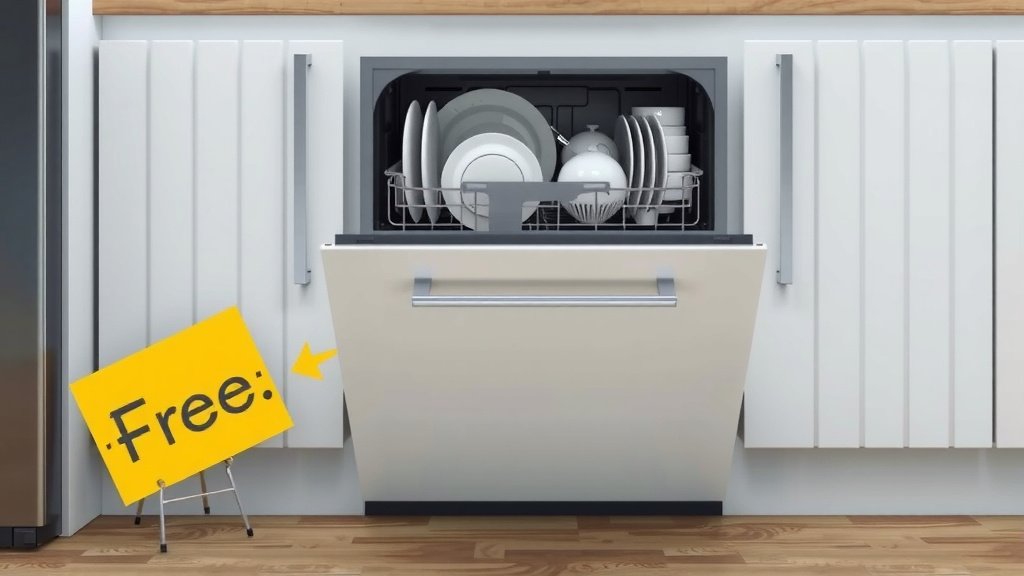
Installing the New Dishwasher
Now for the exciting part – getting your new appliance in place! This is essentially the reverse of the removal process, but with new connections.
Positioning the New Dishwasher
Carefully slide the new dishwasher into the empty space. Make sure it’s level and sits snugly against the surrounding cabinets. You may need to adjust the leveling feet at the bottom of the unit.
Connecting the New Plumbing and Electrical
This is where you’ll use your installation kit and reconnect everything.
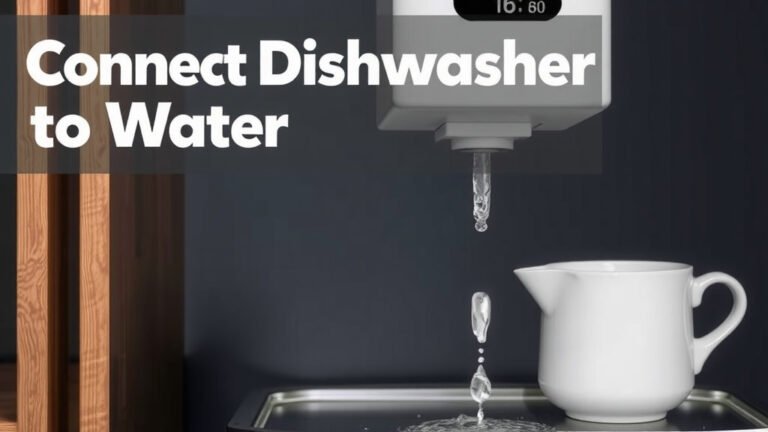
Water Line Connection
Connect the new water supply line to the dishwasher’s inlet valve. Hand-tighten first, then use your adjustable wrench to give it another quarter to half turn. Don’t overtighten, as this can damage the connection.
Drain Hose Installation
Connect the new drain hose to the fitting under your sink. Ensure the hose has a “high loop” – meaning it goes up as high as possible before connecting to the drain. This prevents dirty water from flowing back into the dishwasher. Secure it with a clamp. Many codes require a specific type of high loop or air gap fitting (CDC).
Electrical Hookup
Connect the new dishwasher’s power cord. If it has a plug, simply plug it into the outlet. If you are hardwiring, connect the wires using wire nuts, matching the colors (usually black to black, white to white, and green or bare copper for ground). Ensure the connections are secure and tuck them neatly into the junction box. Replace the cover.
Testing and Final Checks
You’re almost there! Before you can start washing dishes, you need to test your work.
- Turn on the water supply: Slowly open the water shut-off valve.
- Check for leaks: Carefully inspect all water connections under the sink and at the dishwasher for any drips or leaks. Tighten slightly if needed.
- Restore power: Go back to your breaker box and flip the dishwasher’s circuit breaker back to the “ON” position.
- Run a test cycle: Start a short rinse cycle on your new dishwasher. Listen for any unusual noises and watch for leaks during the cycle.
If everything looks good and no water is escaping, congratulations! You’ve successfully replaced your dishwasher.
Dishwasher Replacement Checklist
Here’s a quick checklist to ensure you didn’t miss anything:
- Power and water are OFF.
- Old connections disconnected.
- Old dishwasher removed.
- New dishwasher leveled and in place.
- New water line connected securely.
- New drain hose properly looped and clamped.
- Electrical connections made safely.
Conclusion
You’ve successfully navigated the steps to replace your dishwasher! We found that by carefully following each instruction, from shutting off power and water to reconnecting the new appliance, this DIY project is very manageable. You’ve saved money and gained confidence in your home repair skills. Remember to always prioritize safety and double-check your connections. Now, enjoy your sparkling clean dishes with your newly installed dishwasher. Your next step is to schedule that first load and admire your work!
Frequently Asked Questions
What if my new dishwasher doesn’t come with a power cord?
If your new dishwasher is designed for hardwiring and doesn’t include a power cord, you’ll need to purchase one separately or use the one from your old unit if it’s in good condition and compatible. Make sure to use wire nuts to securely connect the wires, matching colors, and then replace the junction box cover.
How do I ensure the drain hose doesn’t cause leaks or backups?
Proper installation of the drain hose is key. Ensure it has a “high loop,” meaning the hose goes up towards the underside of your countertop before connecting to the drain. This prevents dirty water from flowing back into your dishwasher. Secure the hose tightly with a clamp.
My old dishwasher is stuck. How do I get it out?
Dishwashers are usually secured with mounting screws, often along the top edge under the countertop. Check for these screws and remove them. Sometimes, the unit might be snug against the cabinets. Gently wiggle the dishwasher back and forth while pulling it forward. Placing cardboard underneath can help it slide more easily.
What’s the best way to check for leaks after installation?
After turning the water supply back on slowly, meticulously inspect every water connection point. Look under the sink and around the dishwasher’s base for any drips. Running a short test cycle is your next best bet; watch and listen for any signs of water escaping during operation.
Can I connect the new dishwasher to a cold water line?
Most dishwashers are designed to connect to the hot water supply line. Using cold water can result in less effective cleaning, as the dishwasher may not be able to heat the water sufficiently on its own. Always check your new dishwasher’s manual for the recommended connection.