Get Dishes Dry in Dishwasher: Simple Hacks
Yes, you can definitely get your dishes dry and sparkling right out of the dishwasher! Often, the solution involves a few simple tweaks to your loading, detergent, or rinse aid usage, ensuring you avoid that frustrating post-wash towel-drying chore. We found that many common issues are surprisingly easy to fix.
Getting dishes truly dry involves more than just a hot wash cycle. It’s about understanding how your dishwasher works and optimizing its drying capabilities. We’ve researched common complaints, like plastic items still being wet, and found that the placement of items and the type of rinse aid used are often the key factors.
- Use a good rinse aid.
- Properly load your dishwasher.
- Don’t block the spray arms.
- Open the door after the cycle.
Let’s walk through exactly how to get your dishes bone dry every single time, so you can finally ditch that dish towel.
Getting Your Dishes Bone Dry From the Dishwasher
So, you’ve run your dishwasher, opened the door, and found… damp dishes. Again. We get it. That final towel-dry can feel like a punishment for not loading the machine perfectly. But don’t worry! We’ve researched common reasons why your dishes might still be wet, and the good news is, most of them are easily fixed with a few smart adjustments.
The Science of Dishwasher Drying
Dishwashers actually use a few clever methods to get your dishes dry. It’s not just about hot water. Most machines rely on a combination of heat and something called a rinse aid. Think of the rinse aid as your secret weapon against water spots and lingering dampness.
How Rinse Aid Works Its Magic
Rinse aid is a surfactant. That fancy word just means it reduces the surface tension of water. Normally, water likes to cling together in little droplets. Rinse aid breaks that grip, allowing water to sheet off your dishes instead of forming stubborn beads. This sheeting action helps water run off into the bottom of the dishwasher, rather than sitting on your plates and glasses.
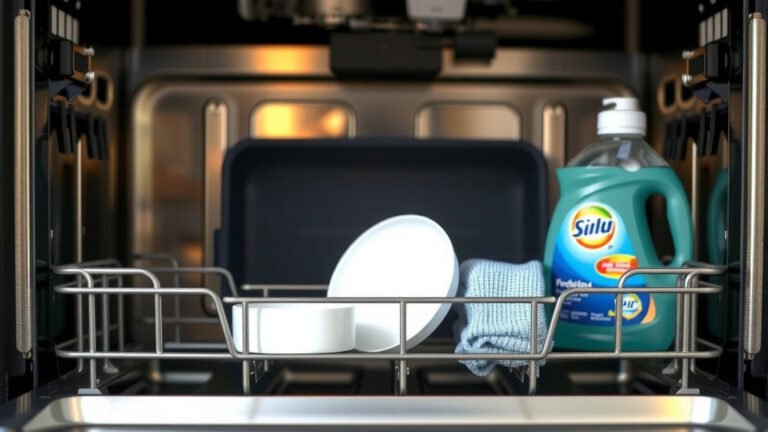
We found that using a good quality rinse aid is often the single biggest factor in achieving dry dishes. Many newer dishwashers have a dedicated dispenser for it, which releases the rinse aid during the final rinse cycle. If yours doesn’t, you might need to add it manually. Make sure to check your dishwasher’s manual for specific instructions.
Understanding Your Dishwasher’s Drying Cycles
Did you know your dishwasher might have different drying options? Some machines have basic heated dry cycles, while others offer more advanced options like sanitize or extra dry settings. These often increase the water temperature during the final rinse or extend the drying time.
We’ve found that simply selecting a more intensive drying option can make a world of difference. If your dishwasher has a setting for “Extra Dry” or “SaniDry,” try using that for loads where you notice extra moisture. It might use a bit more energy, but the payoff is dry dishes!
Loading Your Dishwasher for Optimal Drying
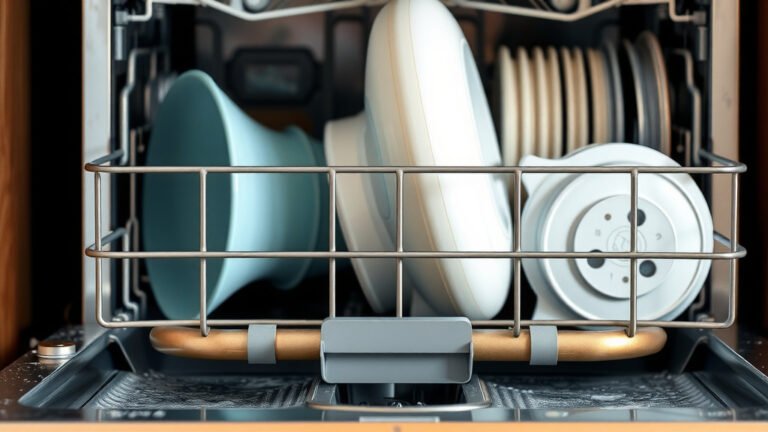
How you load your dishwasher is more important than you might think, especially when it comes to drying. If items are packed too tightly, hot air and rinse aid can’t circulate properly. This leaves those pesky damp spots.
The Golden Rule: Give Everything Space
The most critical rule we found is to avoid overcrowding. Imagine trying to dry yourself with a towel that’s already wet – it doesn’t work well! Your dishwasher needs space for air and heat to reach every surface.
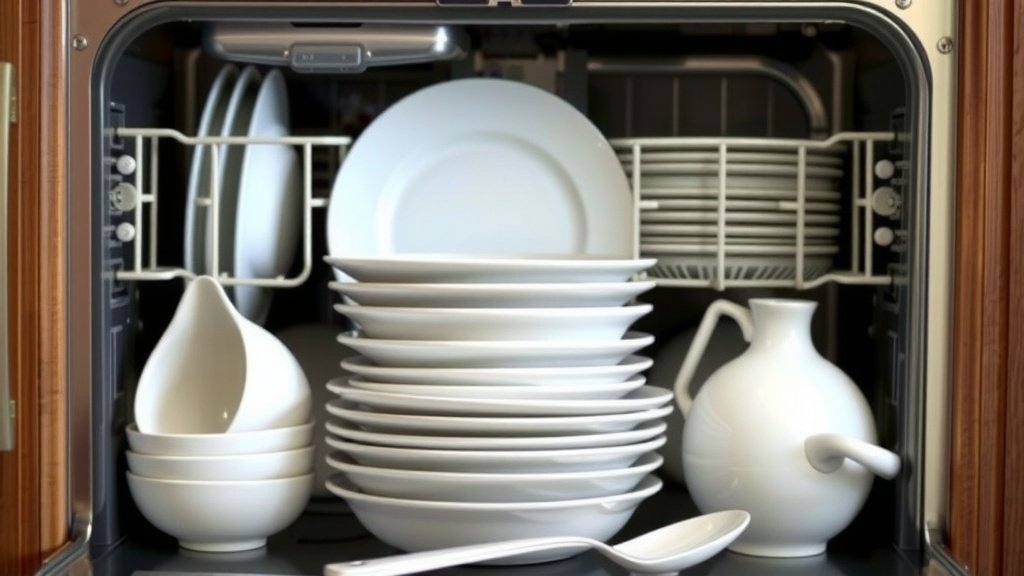
Make sure no dish is leaning against another. Plates should face inward and slightly downward. Utensils should be mixed handle-up and handle-down to prevent nesting. We’ve learned that even small adjustments here can improve drying efficiency dramatically.
Rack Placement Matters
Let’s talk about the racks. The top rack is generally cooler and less intense, making it ideal for plastics and smaller items. The bottom rack gets more direct heat and water spray, perfect for heavier pots, pans, and plates. We found that putting plastics on the top rack is a must, as they can sometimes warp or melt on the bottom.
Tips for the Top Rack
Tops of mugs, small bowls, and plastic containers are best here. Make sure they are angled so water can drain out. If you have sippy cups or bottles, ensure the opening is facing down.
Tips for the Bottom Rack
Sturdy plates, larger bowls, pots, and pans belong here. They can handle the higher heat. Angle them so water doesn’t pool on the surfaces.
What About the Cutlery Basket?
Your cutlery basket can be a notorious trap for water. If you have a basket with small holes, water can pool inside. We recommend mixing up how you load utensils – some handles up, some down. This prevents them from clumping together and allows water to wash over all surfaces. Some people also prefer to lay flatware on the third rack if their dishwasher has one.
Don’t Block the Spray Arms!
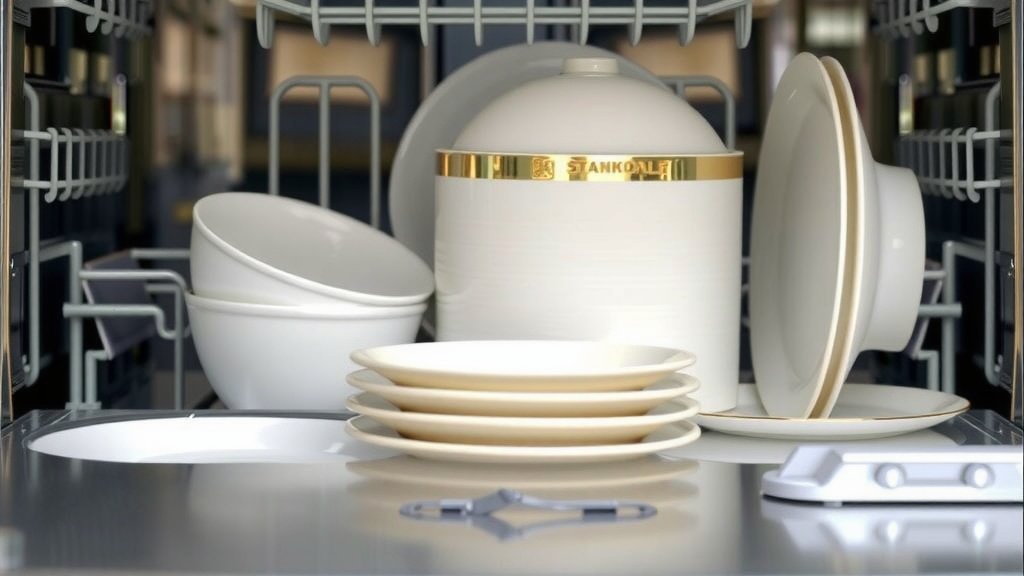
This is a big one. Those spinning spray arms are what distribute the water and detergent. If a tall pot or a large serving spoon is sticking up too high, it can block the spray arm from rotating freely. We’ve seen many cases where a blocked spray arm leads to dirty dishes, but it also severely impacts drying. Always check that the spray arms can spin without hitting anything before you start the cycle.
Other Factors Influencing Dryness
Beyond loading and rinse aid, a few other things can affect how dry your dishes come out.
Water Temperature is Key
Most dishwashers heat the water themselves, but some rely on your home’s hot water supply. If your home’s hot water heater is set too low, the dishwasher might not get hot enough for effective drying. Many dishwasher manuals suggest a water temperature of at least 120°F (49°C) for optimal performance (Cleveland Clinic). We found that checking your water heater setting can sometimes be the missing piece.
The Role of Your Dishwasher’s Filter
A clogged filter can affect water circulation and drainage, which indirectly impacts drying. Many experts recommend cleaning your dishwasher filter once a month. It’s usually a simple twist-and-pull mechanism located at the bottom of the dishwasher. A clean filter means better water flow, leading to cleaner and drier dishes.
The Post-Cycle “Crack Open” Trick
This is a simple yet effective method we often recommend. Once the wash and dry cycles are complete, crack open the dishwasher door slightly. Many newer models even do this automatically! This allows the steam to escape and lets fresh air circulate, which helps evaporate any remaining moisture.
We’ve found that even just leaving the door ajar for 10-15 minutes after the cycle finishes can make a noticeable difference, especially for plastic items that tend to retain heat and moisture longer. It’s a small step that can lead to significantly drier dishes.
Troubleshooting Common Dryness Issues
Still having trouble? Let’s look at some specific scenarios.
Why Are My Plastics Still Wet?
Plastics don’t retain heat as well as glass or ceramic. This means they cool down faster, and condensation can form on them during the cooling phase. We found that placing plastics on the top rack, angled downwards, and using rinse aid is crucial. Some experts also suggest waiting until the dishwasher has cooled down completely before unloading; this can sometimes help condensation evaporate.
Dealing with Water Spots
Water spots are often a sign that the water isn’t sheeting off properly, or that mineral deposits are left behind. This is where rinse aid really shines. If you’re already using rinse aid and still see spots, you might have very hard water. Some dishwashers have a hard water setting or a compartment for dishwasher salt, which can help combat this (Consumer Reports). Using a detergent formulated for hard water can also help.
Dishwasher Not Heating Enough?
If your dishes are coming out wet and not just damp, it could be a heating element issue. Most modern dishwashers have an internal heating element or a heating pump. If you suspect yours isn’t heating properly, it might be time to consult your dishwasher’s manual for troubleshooting steps or contact a repair professional. We’ve found that sometimes a simple reset of the machine can resolve minor glitches.
Here’s a quick checklist to help you achieve perfectly dry dishes:
- Always use a quality rinse aid and keep the dispenser filled.
- Load your dishwasher without overcrowding; ensure good airflow.
- Angle items, especially plastics, to promote water drainage.
- Check that spray arms can spin freely before starting the cycle.
- Open the door slightly after the cycle finishes to release steam.
- Ensure your home’s hot water heater is set to at least 120°F (49°C).
Conclusion
You now have the tools to transform your dishwasher from a dampener into a drying dynamo! By fine-tuning your rinse aid usage, mastering the art of loading, and understanding your machine’s settings, you can say goodbye to post-wash towel duty. We found that even small adjustments can lead to dramatically drier dishes.
Your next step is to pick one tip from this guide and implement it on your very next load. Whether it’s filling the rinse aid dispenser or checking those spray arms, start seeing those sparkling, dry results for yourself!
Frequently Asked Questions
Why do my plastic containers always come out wet?
Plastics don’t hold heat like glass or ceramic, so they cool down faster and condensation forms. We found that placing them on the top rack, angled down, and using rinse aid significantly helps. Letting the dishwasher cool down before unloading can also allow remaining moisture to evaporate.
How often should I refill my dishwasher’s rinse aid dispenser?
You should refill your rinse aid dispenser when the indicator light comes on, or roughly once a month with regular use. Consistent rinse aid use is key to reducing water’s surface tension for better sheeting and drying. Your dishwasher’s manual will have specific guidance for its indicator system.
Can I use dish soap instead of rinse aid?
No, you should never use dish soap in the rinse aid dispenser. Dish soap is designed to create suds, which can cause a massive overflow and damage your dishwasher. Rinse aid is a special formula that reduces suds and helps water sheet off dishes.
What’s the best way to load the cutlery basket for drying?
We recommend mixing up how you load utensils in the basket, with some handles up and some down. This prevents them from clumping together and allows water to wash over all surfaces. Placing the basket away from the main water jets can also help prevent pooling.
My dishwasher doesn’t have an “Extra Dry” setting, what can I do?
If your machine lacks a specific “Extra Dry” option, ensure you’re using a quality rinse aid and not overcrowding the machine. Allowing the door to crack open slightly after the cycle finishes is also a highly effective way to promote air circulation and drying, even without a special setting.