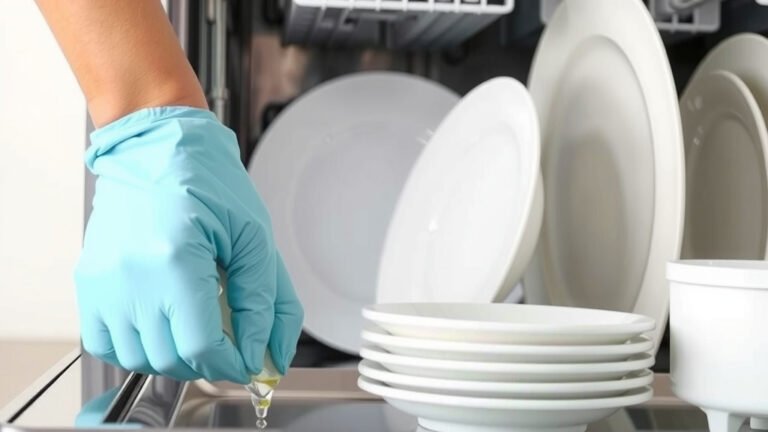
Best Eco Friendly Dishwasher Detergent Picks for 2026
Eco friendly dishwasher detergent is a cleaning product made with plant-based ingredients that break down safely in the environment. Unlike regular detergents, it skips harsh chemicals like chlorine bleach and phosphates that can harm waterways. And yes, we found that most of them clean your dishes just as well.
Here’s the thing: your dishwasher doesn’t just rinse away soap. It rinses away everything in that soap, straight into rivers and lakes. Switching to a biodegradable formula is one of the easiest swaps you can make for a greener kitchen, and your family won’t even notice the difference. Sounds like a win-win, right?
- What eco friendly dishwasher detergent actually is (and what’s left out)
- Why ingredients like phosphates and chlorine are worth avoiding
- Which certifications and labels you can actually trust
- How eco options compare to conventional detergents on price and power
- Our top tips for getting spotless dishes the natural way
Below, we break down everything you need to know about choosing an eco friendly dishwasher detergent, so you can make the switch with confidence.
What Goes Into a Greener Dishwasher Detergent
Eco friendly dishwasher detergent swaps harsh chemicals for plant-based ingredients that clean without leaving a chemical trail behind. Think of it like choosing a salad over fast food — same job, gentler approach. We researched the ingredient lists and found that most green formulas rely on enzymes, coconut-derived surfactants, and minerals to lift grease and food.
What you won’t find is just as important. Many experts say the best eco detergents leave out phosphates, chlorine bleach, and synthetic dyes. These are the ingredients that raise red flags for both waterways and your family’s health.
Ingredients to Skip (and Why They Matter)
Phosphates were once everywhere in dish detergent. They help soften water and boost cleaning power, but they also feed algae blooms in lakes and rivers. When algae overgrow, they suck oxygen out of the water and harm fish. Many states now restrict them, and the EPA has pushed manufacturers to phase them out.
Chlorine bleach is another one to watch. It kills germs, sure, but it can also release fumes you don’t want near your nose. Research compiled by the CDC links chlorine fumes to breathing irritation, especially for kids and people with asthma.
Also keep an eye out for:
- Synthetic fragrances — often a mystery blend of dozens of chemicals hidden under one word.
- 1,4-dioxane — a byproduct of some petroleum-based ingredients, flagged by the NIH as a possible carcinogen.
- Ethoxylated surfactants — plant-derived, but sometimes processed in ways that leave trace contaminants.
Ingredients You Can Feel Good About
Now for the good stuff. We found that the most trusted eco detergents lean on a short list of workhorse ingredients:
- Enzymes — proteins that break down starches and proteins on your plates. Nature’s tiny dishwashers.
- Sodium citrate — a citrus-derived salt that softens water without phosphates.
- Coconut-based surfactants — plant soaps that cut grease and rinse clean.
- Oxygen bleach (sodium percarbonate) — breaks down into washing soda and oxygen. Much gentler than chlorine.
Certifications That Actually Mean Something
Labels can be slippery. Anyone can slap a leaf on a bottle. So how do you know what’s real? Look for third-party certifications, which mean an independent group checked the claims — not just the company’s marketing team.
Here are the ones we found carry real weight:
- EPA Safer Choice — every ingredient reviewed by EPA scientists for human and environmental safety.
- USDA Certified Biobased — verifies the product contains a real percentage of plant-based material.
- Leaping Bunny or PETA cruelty-free — no animal testing at any stage.
- B Corp certification — the whole company met high social and environmental standards, not just one product.
A word of caution: “natural” and “green” mean nothing legally. They’re marketing words. Certifications are the receipts.
Do Green Detergents Actually Clean Well?
Short answer: yes, with a few caveats. We researched independent testing and found that modern eco tablets and gels handle everyday loads — plates, glasses, light grease — just as well as conventional brands. Many experts say enzyme-based formulas are the reason. They target food messes directly instead of blasting everything with harsh chemicals.
The weak spot? Baked-on, stuck-on messes. That lasagna pan that sat out overnight may need a soak first, eco detergent or not. Honestly, that’s true with regular detergent too.
Eco vs. Conventional: A Quick Comparison
Here’s a side-by-side look to help you see the trade-offs at a glance:
| Feature | Eco Detergent | Conventional Detergent |
|---|---|---|
| Main ingredients | Plant-based, biodegradable | Petroleum-based, synthetic |
| Phosphates & chlorine | Left out | Often included |
| Daily cleaning power | Very good | Very good |
| Stuck-on food | May need a pre-soak | Slightly stronger |
| Cost per load | Roughly 20–50% more | Lowest upfront cost |
| Impact on waterways | Breaks down safely | Can harm aquatic life |
What About the Price Difference?
Yes, eco detergents cost more per load. We found the gap usually works out to three to eight extra cents per cycle. Over a year, that’s maybe ten bucks. Compare that to the cost of a water filter or the gas to haul recycling — it’s a small line item for a real benefit.
One trick: buy pods or tablets in bulk or subscription. Most brands knock 10–15% off that way.
Forms: Pods, Powder, or Gel?
Each form has fans. Each has trade-offs. Here’s the honest breakdown:
- Pods and tablets — easiest to use, pre-measured, no mess. Downside: the plastic film (PVA) may not fully break down in every situation, and researchers are still studying it.
- Powder — usually the cheapest and comes in recyclable cardboard. Works great in soft water.
- Gel — dissolves fast and handles quick cycles well, but often needs plastic bottles.
We found that powder wins on packaging waste, while pods win on convenience. Pick your priority and go with it.
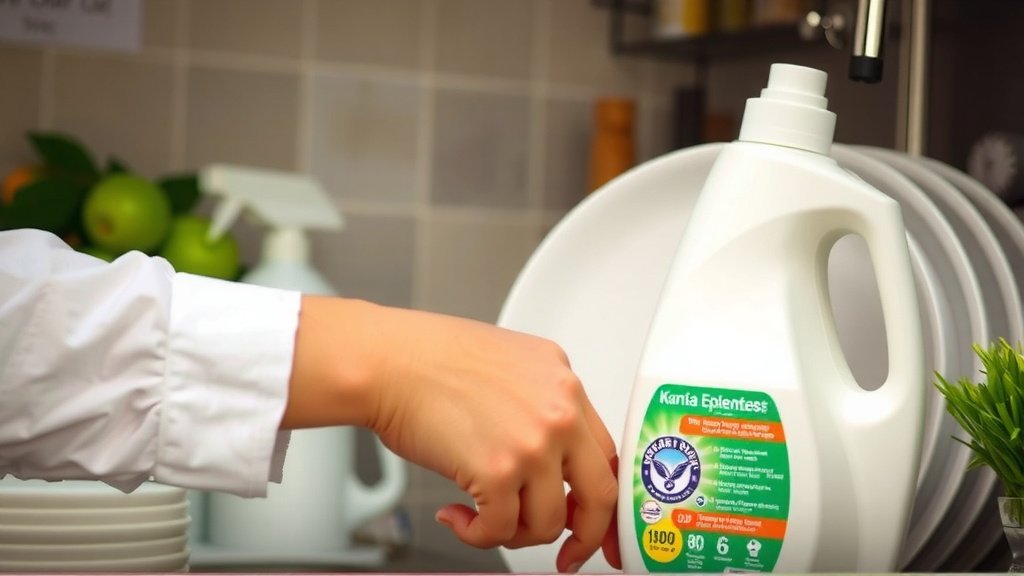
Tips for Spotless Dishes the Natural Way
Even the best detergent can’t fix a bad setup. A few habits make a bigger difference than the brand you buy. Many experts say loading technique matters as much as chemistry.
Use this checklist before your next run:
- Scrape food off — no pre-rinsing needed, just remove chunks.
- Load big items on the sides and back so spray arms reach everything.
- Face dirty surfaces inward, toward the spray.
- Check your water hardness and adjust the detergent amount to match.
- Fill the rinse aid slot — even a natural one cuts spots dramatically.
- Run full loads only. Half-empty cycles waste water and energy.
Dealing with Hard Water
Hard water is the silent villain of dishwashing. Minerals in the water fight your detergent and leave that cloudy film on glasses. If your area has hard water, look for detergents with extra sodium citrate or add a bit more powder per load. Your local water utility’s annual report will tell you your hardness level — it’s usually on their website.
When to Make the Switch
There’s no perfect moment. You don’t need to wait until your current bottle is empty forever, either. A simple approach: finish your current detergent, then buy an eco option next time. One swap, zero waste, and your kitchen becomes a little kinder to the planet — one load at a time.
Conclusion
Switching to an eco friendly dishwasher detergent is one of those rare changes that asks almost nothing of you. Your dishes come out just as clean, your family stays safe from harsh chemicals, and local waterways get a break from phosphates and chlorine. We found the whole decision comes down to a few things: skip the vague “green” labels, trust third-party certifications, and match the formula to your water hardness. Sure, you might spend a few extra cents per load — but that’s a small price for a cleaner conscience and cleaner rivers. So here’s your next step: check the ingredient list on your current detergent. If you spot phosphates or chlorine, add an eco option to your shopping list today. One swap, one load at a time.
Frequently Asked Questions
Can I use eco friendly dishwasher detergent in any dishwasher?
Yes. Green detergents work in standard and Energy Star dishwashers, new or old. Just match the form to your machine’s dispenser — pods, powder, and gel all work fine. If your dishwasher has a dedicated detergent compartment, any eco formula will dissolve properly in it.
Do eco dishwasher pods still contain plastic?
Some do. The water-soluble film around most pods is made from PVA, a synthetic polymer that dissolves in water. Researchers are still studying whether it fully breaks down in real-world conditions. If you want to avoid the question entirely, powder or gel in recyclable packaging is your safest bet.
Is eco dishwasher detergent safe for septic systems?
Generally, yes. Plant-based, biodegradable formulas break down more easily than conventional ones, which is good news for septic tanks. We found most brands labeled septic-safe, but it never hurts to check the packaging or the company’s website before you buy.
Can I make my own dishwasher detergent at home?
You can, but we’d temper your expectations. DIY mixes of washing soda and citric acid can leave film and may not clean greasy loads well. Homemade blends also lack the enzymes that tackle stuck-on food. If you try it, use a rinse aid and expect some trial and error.
Does eco dishwasher detergent expire or lose effectiveness?
It can, especially powder. Moisture is the enemy — it clumps powder and weakens the enzymes over time. Store it in a dry spot with the lid sealed tight. Most detergents stay effective for about six months to a year after opening, so buy sizes you’ll actually finish.