Why Do Glasses Have a Film After Dishwashing? Causes Explained
The film on your dishwasher glasses is usually hard water mineral deposits or a detergent residue left behind after the wash cycle. It looks like a cloudy, white, or chalky coating that won’t rinse off with a simple hand wash. The good news? It’s usually fixable.
There are two main culprits here. Hard water leaves calcium and magnesium deposits that build up over time, while etching is permanent damage caused by too much detergent or overly soft water. We found that knowing which one you’re dealing with makes all the difference, because one can be cleaned off and the other, sadly, cannot.
TL;DR:
- The cloudy film is most often hard water deposits or detergent residue.
- Mineral film can usually be removed with vinegar or a rinse aid.
- Etching is permanent glass damage and can’t be reversed.
- Using less detergent and keeping your rinse aid full helps prevent film.
- Lowering your water heater to around 120°F can also reduce buildup.
Below, we break down exactly what causes this film, how to tell if your glasses can be saved, and the simple steps we researched to get them sparkling again. Let’s dive in.
Understanding That Cloudy Coating on Your Glasses
That hazy white layer is a residue problem, not a stain. It builds up when minerals or soap don’t rinse away fully during the cycle. Think of it like soap scum in your shower, but on your drinking glasses.
We found that most homeowners deal with one of three causes. Hard water deposits, detergent buildup, or etching. Each one has its own fix (or lack of one), so let’s figure out which is which.
The Three Main Causes, Explained
Here’s the short version before we get into the details.
- Hard water deposits: Minerals left behind when water evaporates.
- Detergent residue: Soap that never fully dissolved or rinsed off.
- Etching: Permanent scratches inside the glass itself.
Only the first two can be cleaned. Etching is the unwelcome guest that never leaves.
Hard Water Mineral Deposits
Hard water carries calcium and magnesium, and when it sits on glass and dries, those minerals stay behind. The result is a chalky, white film that you can often feel with your fingertip.
According to the U.S. Geological Survey, about 85% of American homes have hard water. So if you see this film, you’re in very common company. It’s not a flaw in how you load the dishwasher.
Detergent and Rinse Agent Residue
Sometimes the film isn’t minerals at all. It’s undissolved detergent. Using too much soap, or running short cycles with cold water, can leave a soapy haze on everything.
Powder and gel detergents are usually the culprits here. They don’t always dissolve completely, especially in newer dishwashers that use very little water. We found that switching to a quality detergent pod often helps.
Etching: The Permanent One
Etching is different. It’s actual microscopic damage to the glass surface, caused by detergent that’s too harsh, water that’s too soft, or temperatures that are too hot.
The National Sanitation Foundation notes that etching is irreversible because the surface of the glass has been physically worn away. No vinegar, no cleaner, no trick will bring it back. That’s the bad news.
How to Tell the Difference
Here’s a simple test we researched, and it takes about five minutes. Soak one cloudy glass in plain white vinegar for 15 minutes, then rinse it.
- Cloudiness gone or improved: You have mineral deposits. Good news, it’s fixable.
- Cloudiness unchanged: It’s likely etching, and unfortunately it’s permanent.
Also try the fingernail test. Gently drag a fingernail across the film. If it feels bumpy or gritty, it’s buildup sitting on top of the glass. If it feels smooth, the damage is inside the glass.
Quick Comparison Table
| Type of Film | What It Looks Like | Can You Fix It? |
|---|---|---|
| Hard water deposits | Chalky, white, slightly rough | Yes, with vinegar or citric acid |
| Detergent residue | Soapy, streaky, sometimes blue-tinted | Yes, with a rinse and better dosing |
| Etching | Smooth, frosty, uneven sheen | No, damage is permanent |
How to Remove the Film from Your Glasses
If the vinegar test passed, congratulations. Your glasses can be saved. Here’s how to get them clear again.
The Vinegar Soak Method
Fill a basin with equal parts warm water and white vinegar. Let your glasses soak for 15 to 30 minutes. Then rinse and dry with a soft towel.
Vinegar is mildly acidic, so it dissolves mineral deposits without scratching. Many experts say this is the safest first step because it uses no harsh chemicals.
Running a Vinegar Cycle in the Dishwasher
For a whole-dishwasher refresh, pour two cups of white vinegar into the bottom of an empty machine. Run a normal hot cycle, no detergent. This cleans both your glasses and the spray arms at the same time.
Some people add a few tablespoons of citric acid instead. Both approaches do the same job: dissolve the mineral gunk that’s been quietly collecting for months.
When Cleaning Doesn’t Work
If you’ve soaked, scrubbed gently, and the haze is still there, it’s etching. We know that stings, especially if it was your wedding china or grandma’s glassware. But knowing the truth beats guessing forever.
The silver lining? Once you understand what causes etching, you can protect the glasses you have left.
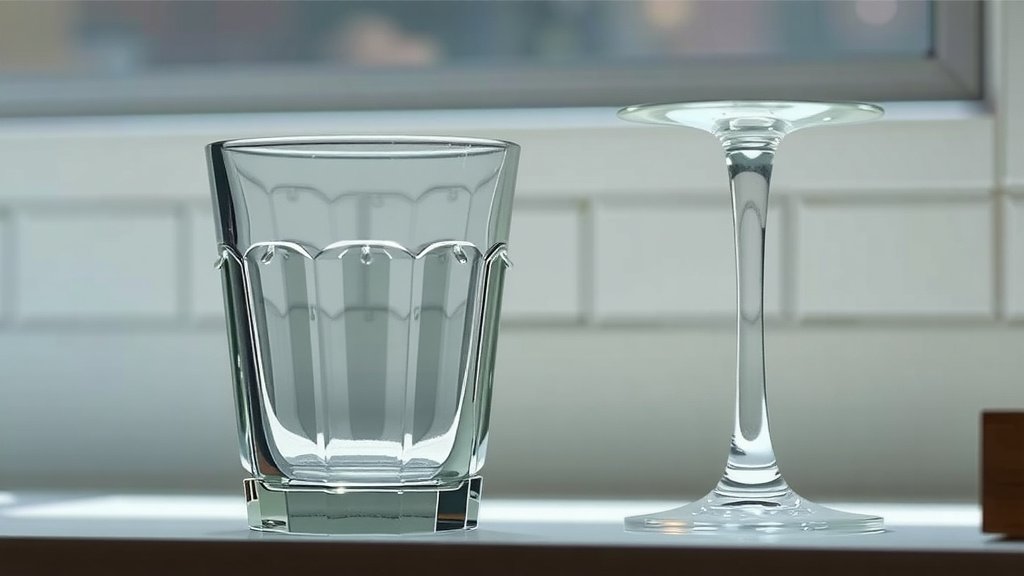
How to Prevent the Film in the Future
Prevention is honestly easier than removal. Here’s a checklist we put together based on guidance from appliance manufacturers and water quality experts.
- Fill the rinse aid dispenser and check it monthly.
- Use less detergent, especially if you have soft water.
- Run the hot water at your sink before starting the cycle.
- Skip the heated dry option to reduce mineral baking.
- Clean the filter and spray arms every few weeks.
- Lower your water heater to around 120°F.
Why Rinse Aid Matters So Much
Rinse aid does two jobs. It makes water sheet off glass instead of beading up, and it speeds up drying. When water drains cleanly, it can’t leave minerals behind.
We found that many people with cloudy glasses simply had an empty rinse aid dispenser they didn’t know about. It’s the least glamorous fix in the world, but it works.
Detergent Dosing for Soft vs. Hard Water
More soap doesn’t mean cleaner dishes. If your water is soft, the detergent is extra concentrated, and excess soap will scratch and etch glass over time.
Guidance fromENERGY STAR and most manufacturers suggests using the smallest effective amount. If your machine has a sensor or hardness dial, set it correctly. It genuinely changes the outcome.
Is the Film on Glasses Safe?
This is the question everybody quietly worries about, so let’s answer it straight. Mineral and detergent films are not harmful to your health. They look unappetizing, but the EPA notes that the calcium and magnesium involved are the same minerals found in drinking water.
Etched glass is also safe to drink from. The surface is rougher, so it may hold odors or stains a bit more, but there’s no health hazard. The downside is purely cosmetic.
One small caveat: if you notice a persistant oily film that feels greasy instead of chalky, check whether your dishwashing liquid or rinse aid is being overdosed. Greasy residue usually means too much product, and cutting back fixes it.
When to Consider a Water Softener
If you’ve cleaned your glasses twice and the chalky film keeps coming back, your water itself is the root cause. A whole-home water softener removes the calcium and magnesium before they ever reach your dishwasher.
The USGS classifies water above 60 milligrams per liter of calcium as moderately hard, and many regions of the U.S. far exceed that. A softener is an investment, but it also protects your water heater, faucets, and shower doors, not just your glassware.
Not ready for that expense? A dishwasher-specific water softening system or an inline filter is a cheaper middle ground. Many newer dishwashers even have built-in softeners you can refill with salt.
Conclusion
That cloudy film on your glasses isn’t a mystery anymore. It’s almost always hard water minerals or detergent residue, and both can be cleaned off with a simple vinegar soak or a hot vinegar cycle in your machine. Only etching is permanent, and now you know how to spot the difference before wasting time on a lost cause.
We found that the best defense is a full rinse aid dispenser, a lighter hand with detergent, and a water heater set around 120°F. Those three habits stop most film before it starts.
So grab a glass, run the vinegar test tonight, and find out which problem you’re dealing with. If it comes out sparkling, keep those prevention habits going. If it doesn’t, you can still protect the rest of your set.
Frequently Asked Questions
Can I use baking soda instead of vinegar to clean filmy glasses?
You can, but it works differently. Baking soda is mildly abrasive, so it helps scrub off light residue when sprinkled on a damp sponge. For mineral deposits, vinegar or citric acid dissolves the film more effectively because acids break down calcium.
Why do my glasses smell weird after the dishwasher runs?
Lingering odors usually come from food trapped in the filter or standing water in the bottom of the machine. Etched or roughened glass can also hold onto smells more easily than smooth glass. Clean the filter weekly and run a vinegar cycle to freshen things up.
Is it better to hand wash glasses instead of using the dishwasher?
Not necessarily. A dishwasher with the right detergent dose and a full rinse aid dispenser often gets glass cleaner than hand washing. That said, delicate crystal and heirloom pieces are safer washed by hand with mild soap and dried immediately.
Do dishwasher cleaning tablets actually work on cloudy film?
Many of them do a decent job. Most cleaning tablets contain citric acid or similar ingredients that break down mineral buildup inside the machine. We found they’re a good maintenance option, though a straight vinegar soak is still the cheapest fix for individual glasses.
Can plastic cups get the same cloudy film as glass?
Yes, but the cause is usually different. Plastic develops a hazy appearance from tiny scratches and from absorbing detergent oils over time. That kind of cloudiness is permanent because it sits inside the plastic itself, not on the surface. Our guide to putting plastic in the dishwasher explains which plastics hold up and which turn hazy.