Dishwasher Efficiency: When Is It Most Effective
The most efficient time to run your dishwasher is when it’s full. You also save energy and water by choosing the eco-friendly or energy-saving cycle. Running your dishwasher during off-peak electricity hours can also lead to lower utility bills.
Many people wonder about the best dishwasher usage. We’ve found that focusing on full loads and smart cycle selection makes a big difference. This approach helps you clean dishes effectively while being kinder to your wallet and the planet.
- Run your dishwasher only when it’s completely full.
- Use the eco-friendly or energy-saving wash cycle.
- Consider running it during off-peak electricity hours.
- Proper loading ensures a more efficient wash.
Let’s walk through exactly how to make your dishwasher work smarter, not harder.
Getting the Most Out of Your Dishwasher
Understanding when to run your dishwasher is key. You want it to work efficiently for you. This means cleaning your dishes well while using less water and energy. We’ve found that a few simple habits make a big difference. Let’s look at how you can optimize your dishwasher’s performance.
The Magic of a Full Load
This is probably the biggest factor in dishwasher efficiency. Running your dishwasher half-full is like washing one dish at a time. It wastes water, energy, and your precious time. You’re heating up a lot of water and running the motor for just a few items. It simply doesn’t add up financially or environmentally.
Why Full Loads Matter
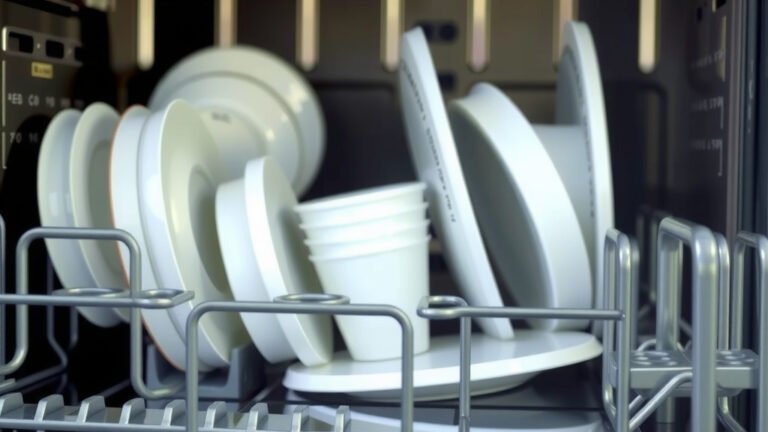
Think of your dishwasher as a team player. It’s designed to clean a certain number of dishes in one go. When you overload it, things get crowded. Water jets can’t reach all the surfaces. This means some dishes might not get clean. On the flip side, a properly full load allows the water and detergent to circulate effectively. It ensures all your dirty dishes get a good scrub. Many manufacturers suggest waiting until the machine is completely full before starting a cycle.
Loading Tips for Maximum Efficiency
Loading your dishwasher correctly is as important as filling it. If items are crammed together, water can’t get through. Some parts might stay dirty.
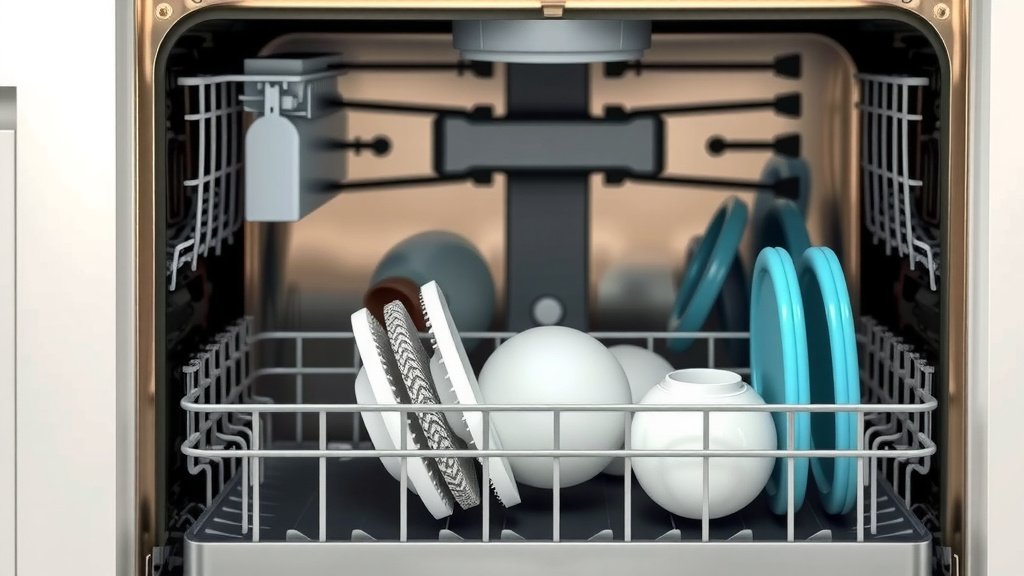
- Place larger items like pots and pans on the bottom rack. Make sure they don’t block the water spray.
- Don’t let handles or other parts of utensils hang down and block the spray arm.
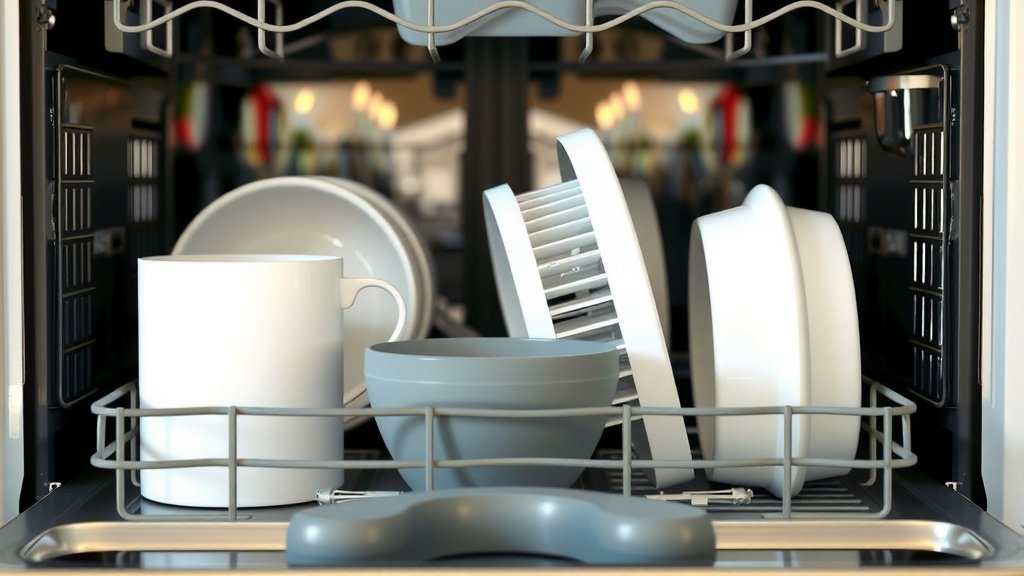
- Ensure smaller items like cups and bowls face downwards. This way, they fill with water and get cleaned properly.
- Avoid nesting bowls or stacking dishes too tightly. Give them space to breathe and get clean.
Proper loading ensures that every inch of your dishes gets exposed to the cleaning spray. This leads to better results and fewer re-washes. We found that taking an extra minute to load mindfully pays off.
Smart Cycle Selection: Saving Energy and Water
Your dishwasher has different settings for a reason. Using the right cycle can dramatically impact efficiency. The normal cycle is great for everyday use. But what about those other options?
The Eco-Friendly Powerhouse
The eco-friendly or energy-saving cycle is often your best bet. These cycles typically use less hot water. They also run for a longer period. Why a longer time? It allows the machine to clean effectively at a slightly lower temperature. Heating water is a major energy consumer. By using less hot water, the eco cycle significantly cuts down on energy use. Many environmental organizations and energy efficiency guidelines recommend using this setting whenever possible (Energy Star).
When to Use Other Cycles
Are there times when you should bypass the eco setting? Yes. If you have heavily soiled pots and pans with baked-on food, you might need a more intensive cycle. Some dishwashers have a “heavy” or “pots and pans” setting. Use these sparingly. They use more water and energy. For lightly soiled dishes or things you’ve rinsed, a quick or light cycle might be sufficient. However, remember that running the machine less often, even with a longer cycle, is generally more efficient than running it frequently with shorter cycles. For heavily soiled dishes, you might need to use the heavy or pots and pans setting.
The Timing Tactic: Off-Peak Electricity Hours
Did you know that the time of day you run your dishwasher can affect your electricity bill? Most utility companies have different rates for electricity. These rates change depending on when you use the most power.
Understanding Peak vs. Off-Peak
Peak hours are when most people are using electricity. This is typically in the late afternoon and early evening. During these times, demand is high, so electricity costs more. Off-peak hours are usually late at night or early in the morning. Demand is lower then, and so is the price of electricity. Running your dishwasher during these off-peak times can lead to noticeable savings on your utility bills over time. It’s a simple way to let your machine work its magic when it’s cheapest to do so.
How to Find Your Off-Peak Times
Your utility company’s website is the best place to find this information. They will usually have a schedule detailing when peak and off-peak rates apply. Some smart meters can even track your usage. You can then plan to run your dishwasher overnight. Many modern dishwashers have a delay start feature. You can load it up before bed and set it to start a few hours later. This allows you to benefit from the lower rates without having to stay up late. We found that many people are surprised by how much they can save with this simple adjustment.
Maintenance for Peak Performance
Even the most efficient cycle can’t do its job if your dishwasher isn’t maintained. Regular cleaning keeps it running smoothly.
Cleaning the Filter is Key
Most dishwashers have a filter. It catches food particles. If this filter gets clogged, water can’t drain properly. This leads to dirty dishes and potential smells. We found that cleaning the filter once a month is a good habit. Check your owner’s manual for its exact location and how to clean it. It usually just pulls out and rinses under the tap.
Check the Spray Arms
Food debris can also clog the small holes in the spray arms. This prevents water from spraying effectively. Periodically, check the spray arms for blockages. You can often use a toothpick or a small needle to clear them. Ensure the spray arms can spin freely. This ensures water can reach all your dishes.
Making Your Dishwasher Work Smarter, Not Harder: A Checklist
Ready to put these tips into action? Here’s a quick checklist to help you maximize your dishwasher’s efficiency:
- Always wait for a full load before running the dishwasher.
- Select the eco-friendly or energy-saving cycle for most washes.
- Scrape large food scraps off dishes; pre-rinsing is usually unnecessary.
- Properly load dishes, ensuring water jets can reach everywhere.
- Check and clean the filter and spray arms monthly.
- If possible, run your dishwasher during off-peak electricity hours.
Conclusion
You’ve learned how to make your dishwasher work its best! Running it only when it’s full and using the eco-friendly cycle are your biggest wins. Don’t forget that proper loading and checking your filter keep everything running smoothly. Thinking about when you run it, especially during off-peak hours, can also trim your electricity bill. By adopting these simple habits, you’ll enjoy cleaner dishes while saving water, energy, and money. Start by making a full load your standard practice today!
Frequently Asked Questions
Do I really need to wait for a totally full dishwasher?
Yes, waiting for a full load is the most impactful efficiency tip. Running it partially full wastes a significant amount of water and energy needed to heat that water. You’re essentially doubling your resource use for half the dishes.
Is the ‘eco’ or ‘energy-saving’ cycle really effective?
Absolutely! These cycles are designed to use less hot water and often run longer. While the longer duration might seem counterintuitive, it allows for effective cleaning at a lower temperature. This significantly reduces the energy needed for heating.
What if my dishes are really dirty? Can I still use the eco cycle?
For most everyday messes, the eco cycle is sufficient, especially if you scrape off large food bits. If you have heavily baked-on grease or burnt food, you might need to use a heavier cycle. However, reserve these intensive cycles for truly tough jobs.
How do I know when my electricity is cheapest to use?
Your local utility company’s website is the best resource. They will typically list peak and off-peak hours for electricity rates. Many modern dishwashers also have a delay-start feature, allowing you to program it to run overnight.
Does rinsing dishes before loading them help efficiency?
Actually, most modern dishwashers and detergents are designed to handle food residue. Pre-rinsing usually wastes water. It’s generally better to just scrape off large chunks and let the dishwasher do the work. Over-rinsing can even hinder the detergent’s ability to cling and clean effectively.