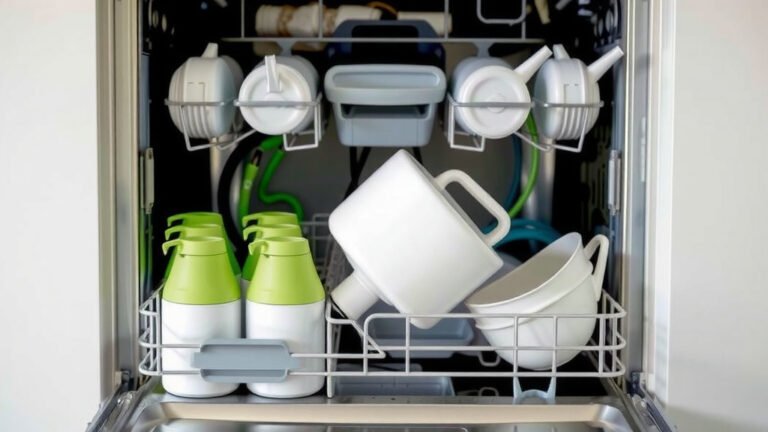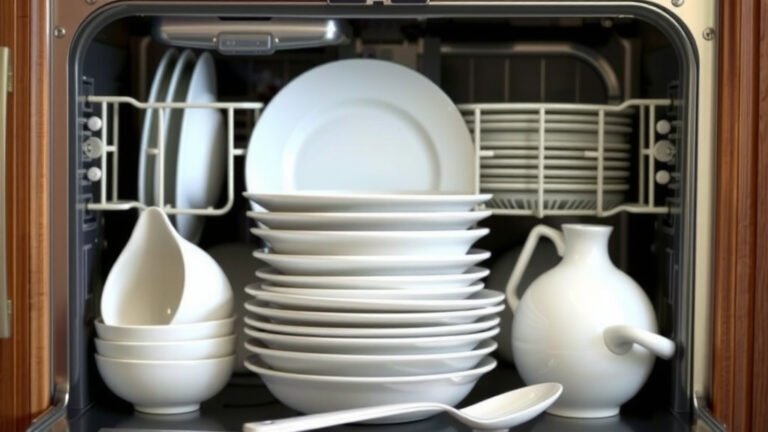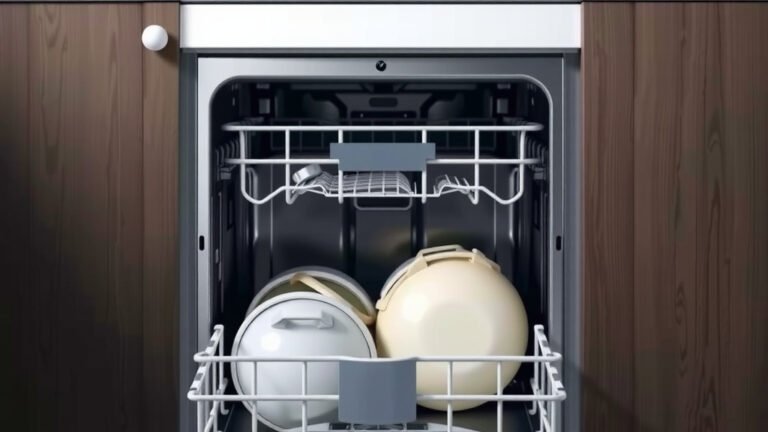

Dishwasher Plate Arrangement: Maximize Space & Cleanliness
Arranging plates in your dishwasher correctly is key to getting them sparkling clean. You should place them facing inward towards the center spray arm for the If your dishes aren’t coming clean, our guide to loading the dishwasher explains common mistakes.best water coverage. Avoid overcrowding, as this prevents water from reaching all surfaces and can lead to dirty dishes, especially for your larger dinner plates.
Proper plate placement ensures that every surface gets hit by the powerful water jets. We found that spacing them out also helps prevent items from bumping into each other, which can chip or break them. This simple step makes a big difference in wash results and dishwasher longevity.
- Load plates facing inward.
- Don’t overcrowd the racks.
- Ensure water can reach all surfaces.
- Space plates for better cleaning.
- Check for potential collisions.
Let’s walk through exactly how to arrange your plates so your dishwasher works its magic every time.
Mastering Your Dishwasher: The Art of Plate Loading
You want your plates to come out spotless, right? The secret is all in how you load them. We found that placing your plates correctly is more important than you might think. It’s not just about fitting more in; it’s about letting the water do its job effectively.
Understanding Water Flow: The Dishwasher’s Secret Weapon
Think of your dishwasher as a high-pressure car wash for your dishes. The spray arms, usually one on the bottom and one in the middle or top, spin around. They shoot hot water and detergent with force. For this to work best, the water needs a clear path to every surface. This means your plates can’t be blocking each other or the spray arms. Proper plate arrangement ensures water jets can reach all surfaces, and this guide explains why hot water is essential for cleaning.
The Center is King: Directing Plates for Optimal Cleaning
The most effective place for your plates is facing towards the center of the dishwasher. Why the center? That’s where the spray arms are most powerful. When plates face inward, the water jets can hit their surfaces directly. We found that this direct impact is key to dislodging food particles.
Imagine trying to wash a muddy car. If you only sprayed the sides, the roof might stay dirty. Your dishwasher works similarly. Giving the water direct access to the plate’s surface ensures a thorough clean. Many experts recommend this basic placement as the first step to a cleaner load (Consumer Reports).
Rack Placement: Where Do Plates Belong?
Most standard dishwashers have two racks designed for plates. You’ll generally place them on the bottom rack. This is because the bottom rack is closest to the main spray arm. It receives the most direct and powerful spray.
Bottom Rack: The Power Zone
The bottom rack is your plate’s primary home. It has slots designed to hold plates upright. You should slide the plates into these slots. Make sure they are secure but not jammed together. A little space goes a long way.
We found that larger dinner plates often fit best on the bottom rack. They can sometimes be too tall for the upper rack, interfering with the upper spray arm. Always check the clearance before running a load. You don’t want any collisions!
Top Rack: For Smaller Plates and Bowls
Can you put plates on the top rack? Yes, but it’s usually for smaller items. Think appetizer plates, saucers, or small dessert plates. These items can fit securely in the designated spaces on the top rack. They won’t block the upper spray arm.
If you have adjustable tines on your top rack, you can often reconfigure them. This allows for more flexibility. It helps accommodate different plate sizes. We found that ensuring there’s enough room for the upper spray arm to rotate freely is essential.
Spacing Is Not an Option, It’s a Rule
Overcrowding is the enemy of clean dishes. It’s like trying to fit too many people into a small room – no one can move, and it gets stuffy. Your dishwasher needs space for the water to circulate. We found that leaving at least an inch of space between plates is a good starting point.
Avoiding the “Plate Cling” Phenomenon
When plates are too close, they can touch. This creates areas where water can’t reach. Food particles get trapped in these “blind spots.” This is often why you’ll find residue on the inside edges of plates. Many cleaning guides suggest giving each plate adequate breathing room.
We found that a simple way to check is to gently nudge a plate. If it rocks freely without hitting another dish, you’re likely good. If it’s snug, consider removing one to improve washing performance. It might seem like you’re fitting less, but you’ll actually get cleaner results.
Specialty Plates and Unusual Shapes
What about those odd-shaped platters or large serving plates? These can be tricky. They often don’t fit neatly into the standard plate slots. Many experts suggest placing these on the sides of the racks or on the top rack if space allows.
Platters and Serving Dishes: The Flexible Approach
Large platters can sometimes lay flat on the bottom rack, facing the center. Make sure they don’t block the spray arm’s rotation. For serving bowls, place them upside down on the top rack. This allows water to fill them and drain out. We found that tilting them slightly can also help with drainage.
Always check that these larger items aren’t preventing smaller items from being cleaned. A little bit of strategic placement can make a big difference for these awkward pieces. It’s a bit like a puzzle, but one you can solve!
Quick Checklist for Perfect Plate Placement
Let’s recap the essentials for loading your plates correctly. Follow these simple steps for a cleaner kitchen:
- Face inward: Plates should always face the center spray arm.
- Don’t stack: Ensure space between each plate for water flow.
- Bottom rack first: Use the bottom rack for most dinner plates.
- Clear the arms: Make sure spray arms can spin freely.
- Secure placement: Plates should stand upright and not wobble excessively.
- Avoid overcrowding: If in doubt, take one plate out.
Are You Overcrowding Your Dishwasher?
How often do you find yourself trying to cram just one more plate in? We get it. It feels more efficient. But research suggests this is a common mistake. Overcrowding can reduce cleaning efficiency by up to 40%. This means more re-washing for you. We found that a slightly emptier dishwasher often leads to a more sparkling clean.
Consider your dishwasher’s capacity. It’s designed to hold a certain amount of dishes effectively. Pushing beyond that limit compromises the entire wash cycle. It’s better to run an extra load than to have dirty dishes from an overloaded one. Your dishwasher will thank you, and so will your dishes!
| Dish Type | Best Rack Location | Facing Direction | Spacing Needs |
|---|---|---|---|
| Dinner Plates | Bottom Rack | Towards Center | At least 1 inch apart |
| Salad/Dessert Plates | Bottom or Top Rack | Towards Center | Adequate space |
| Saucers/Small Bowls | Top Rack | Upside Down | Room for spray arm |
| Serving Platters | Side of Bottom Rack or Top | Varies, avoid blockage | Ensure water access |
Remember, each dishwasher model can be slightly different. But these general principles hold true for most. By paying a little attention to how you arrange your plates, you’re setting yourself up for success. Cleaner dishes mean less work for you and a happier appliance. We found that consistently applying these tips leads to a noticeable improvement in wash results.

Conclusion
You’ve learned the simple secrets to a spotless dish load! By now, you know that facing plates inward towards the center spray arm is key. Remember to give each plate enough breathing room; overcrowding is a silent dish-destroyer. The bottom rack is usually your plate’s best friend. You’re now equipped to arrange your plates for maximum cleaning power. Your next step? Apply these tips to your very next dishwasher load. Get ready to see the difference!
Frequently Asked Questions
Can I put plates on the top rack of my dishwasher?
Yes, you generally can place smaller plates on the top rack. Think dessert plates or saucers. Ensure they fit securely and don’t block the upper spray arm from rotating. Larger dinner plates are usually better suited for the bottom rack.
What happens if my plates are too close together?
When plates are too close, water and detergent can’t reach all surfaces. This can leave food residue in the gaps between them. It’s like creating little hiding spots for grime. Proper spacing ensures every inch of your plate gets cleaned.
Should I pre-rinse my plates before putting them in the dishwasher?
Most modern dishwashers are designed to handle food particles. You usually only need to scrape off large food scraps. Heavy pre-rinsing isn’t typically necessary and can actually make detergent less effective. Let your dishwasher do the heavy lifting!
My dishwasher has adjustable tines on the racks. How should I use them for plates?
Adjustable tines offer flexibility. For plates, you can often fold them down to create more space for larger items or tilt them to better secure plates. Experiment to see what works best for your specific plates and dishwasher model.
What’s the best way to load very large or odd-shaped serving platters?
Large platters can be tricky. Try placing them on the sides of the bottom rack, angled towards the center. Ensure they don’t obstruct the spray arm’s movement. If they fit securely, the top rack might also be an option, but always check for clearance.