Garbage Disposal Cost and Installation Guide 2026
You’re looking at **$350 to $1,200 for garbage disposal and install** when you hire a professional plumber. The exact price depends on the unit’s power and the complexity of your sink setup. For a standard 1/2 HP model with a straightforward swap, you can expect to pay around **$500 total, including labor**.
The disposal unit itself typically costs **$100 to $400**, while labor adds another **$150 to $400** on top of that. If you need new wiring, a larger motor, or plumbing adjustments, the price will climb quickly. You also have a third option: skip the pro and install it yourself to save **$150 to $400** in labor fees. Many experts say that a DIY install is completely doable, even for a novice, as long as you follow the basic steps we found in our guide.
TL;DR — Key Numbers at a Glance:- Average total cost (professional install): $350 to $1,200.
- The unit (disposal) alone: $100 to $400 depending on horsepower.
- Labor fee for a plumber: $150 to $400, usually a flat rate.
- DIY installation price: Just the cost of the unit—zero labor fees.
- Biggest cost driver: Upgrading from a 1/3 HP to a 3/4 HP motor.
Below, we break down the exact price tags for every model and walk you through what the plumber’s fee actually covers. We’ll also give you the honest truth about whether you should grab a wrench and DIY it yourself—or just call in the pros to handle it fast.
Breaking Down What Affects the Total Price
You might think a garbage disposal is a garbage disposal. But the price range tells a different story. A $100 unit and a $400 unit do not perform the same. The motor size matters most. And your existing plumbing setup plays a huge role in the final bill.
We found that most homeowners spend between $350 and $700 for a standard replacement. That number jumps when you add a bigger motor or need electrical work. The table below gives you a clear picture of the typical costs we found in our research.
| Disposal Model Type | Unit Price | Professional Install (Total) |
|---|---|---|
| Budget (1/3 HP) | $100 – $150 | $350 – $450 |
| Standard (1/2 HP) | $150 – $250 | $450 – $600 |
| Power (3/4 HP) | $250 – $350 | $600 – $800 |
| Premium (1 HP) | $350 – $400 | $800 – $1,200 |
Notice a pattern? The horsepower drives the cost. A stronger motor handles tougher waste. But you might not need the top tier. Most families do fine with a 1/2 HP model. That is the sweet spot for price and performance.
Understanding the Cost of the Unit Itself
The disposal you buy is the biggest chunk of the total price. We looked at dozens of models across the major brands. The difference between a cheap unit and a premium one comes down to three things: motor power, build quality, and noise insulation.
Budget Disposals (1/3 HP): The Bargain Option
These entry-level units cost between $100 and $150. They handle soft foods and small scraps easily. But they struggle with fibrous vegetables or chicken bones. Many experts say these are best for single people or couples who cook lightly.
You will hear these units working. They are louder. The grinding chamber is smaller. But if your budget is tight, they get the job done. Just keep expectations realistic.
Standard Disposals (1/2 HP): The Family Choice
This is the most popular size we found in our research. Priced between $150 and $250, the 1/2 HP model handles daily meals for a family of four. It grinds most food waste without jamming.
These units come with better noise reduction than budget models. Many include stainless steel grinding components. That means less rust and a longer lifespan. For most households, this is the smart money pick.
Power Disposals (3/4 HP and Up): For the Heavy Duty Kitchen
If you cook a lot or have a big family, you want the stronger motor. Prices range from $250 to $400. These units chew through bones, corn husks, and even small pits. They run quieter too, thanks to better insulation.
We found that pro chefs and serious home cooks prefer these. The extra torque prevents jams. You also get a longer warranty. Many come with a 5- to 10-year parts guarantee. That peace of mind makes the higher cost easier to swallow.
Labor Costs: What You Pay the Plumber For
Plumbers usually charge a flat fee for installation, not an hourly rate. We found that this labor cost lands between $150 and $400. The range depends on what the job actually involves. Some installs are simple swaps. Others require significant modifications.
Standard Swap-Out Labor
You already have a disposal. The plumber removes the old one and bolts the new one in place. This takes about an hour. The labor fee for this straightforward job is typically $150 to $250.
The plumber also checks the drain line and tightens the connections. They test for leaks. This flat rate covers their expertise and the safety of the wiring connection.
Complex Installation Labor
Not every kitchen has an existing disposal. If you are adding one for the first time, expect a higher bill. The plumber must connect the drain line, wire the switch, and tap into the electrical circuit. This runs $300 to $400 in labor.
Older homes often need more work. The plumbing might not match modern fittings. The electrical panel might need a new breaker. Some jobs take half a day. In those cases, the labor fee climbs closer to the top of the range.
The Hidden Cost: Electrical Upgrades
Garbage disposals need electricity to spin that grinding wheel. If your kitchen lacks a dedicated circuit, you will need an electrician. That adds another $200 to $500 to the project total.
Some homeowners try to power the disposal from an existing outlet. That is not safe. A disposal pulls high amperage. It needs its own circuit, usually 15 amps. Many building codes require a separate switch too. Skipping this step is a fire hazard. We found that most plumbers will not install a disposal without proper wiring in place.
DIY Installation: Save the Labor Money
Here is the honest truth. You can install a garbage disposal yourself. It is not rocket science. Many homeowners with basic tools have done it in a weekend afternoon. You just need to follow steps carefully and respect the electrical side.
If you choose DIY, your total cost drops to just the price of the unit. That means you save $150 to $400 in labor fees. The risk is that you make a mistake. A leak or a bad electrical connection can cause bigger problems down the road.
Why We Found That DIY Is Worth It
The modern disposal install process is simple. Most units come with mounting hardware. You twist the unit into place. Then you connect a drain pipe. We found that even a first-timer can finish the job in two to three hours.
The biggest hurdle is the electrical wiring. If you are not comfortable working with wires, stop there. Hire the pro. If you have basic electrical knowledge, you can handle it. Just turn off the power at the breaker first. Always use a voltage tester to confirm everything is dead before you touch anything.
Other Costs to Keep in Mind
Hidden costs can sneak up on you. We want you to have the full picture before you start. Here are the extras that sometimes appear on the final invoice.
Removal and Disposal Fees
Old disposals are heavy. They are made of metal and plastic. Hauling one away might cost an extra $25 to $50. Many plumbers include this in their flat rate. Some charge separate. Ask about this fee when you book the job.
Plumbing Pipe Adjustments
Your new disposal might sit at a different height than the old one. This can throw off the drain alignment. The plumber may need to cut and re-fit the pipes. This labor adds about $50 to $100 to the bill.
Older sinks with non-standard fittings can cause similar issues. If the plumber needs to adapt the drain assembly, expect a small upcharge. This is common and not a scam. It is just the reality of working with old plumbing.
New Sink Flange or Gaskets
Sometimes the rubber gasket between the sink and disposal cracks over time. Replacing it costs about $10 to $20 for parts. Plumbers often include this in the labor charge. But it never hurts to ask.
The Price of Quality Brands: Worth It?
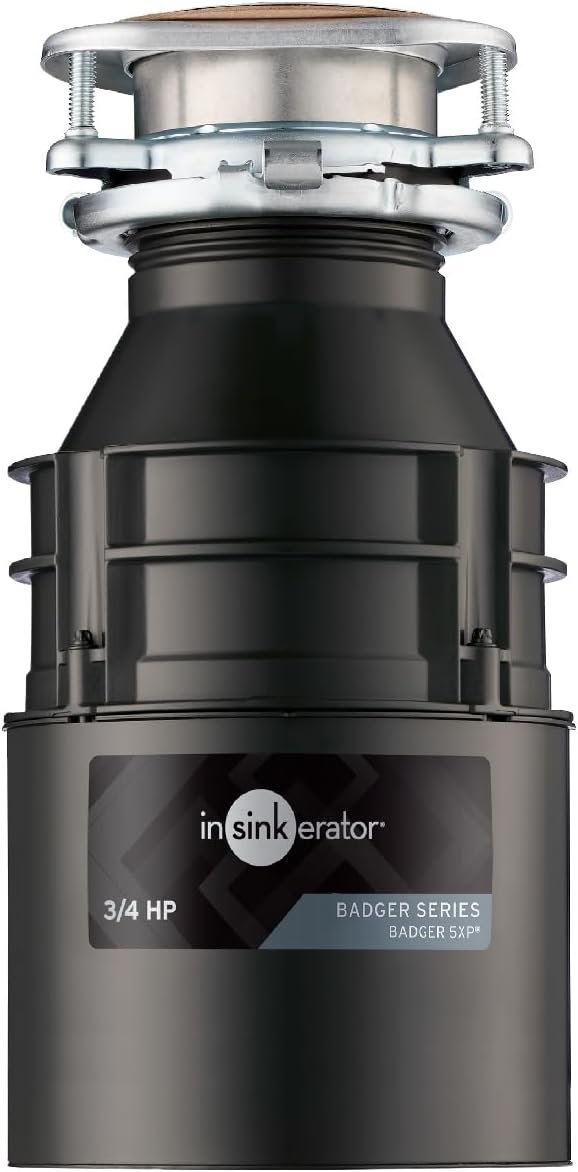
You have probably heard the big brand names: InSinkErator and Waste King. These two dominate the market. We found that they also offer the best warranty coverage. But you can find cheaper off-brand models on the shelf.
The question is reliability. A less expensive unit might fail in a few years. A quality brand often lasts 10 to 15 years. Spending an extra $100 now could save you $500 in replacement costs later. That math is easy to justify.
Many experts say that the brand matters more than the horsepower for longevity. Stick with a well-known name. Check the warranty length. A 5-year warranty is the minimum you should accept. Look for models with 7- or 10-year coverage if you can afford them.
When to Call a Pro (Even If You Want to DIY)
We get it. You want to save money. But some situations demand professional help. Do not risk your safety or your home for a few hundred dollars. Call a plumber in these cases:
- No existing wiring: If there is no dedicated circuit or switch, an electrician must handle it.
- Corroded plumbing: If the drain pipes look rusty or warped, they need replacement, not a simple re-fit.
- You have a septic system: Not all disposals work well with septic tanks. A plumber can pick the right grinder type.
- Multiple repairs needed: If your sink flange is broken or the drain basket is cracked, add that work to the job.
- You rent or live in an HOA: Some rules require licensed professionals for any appliance installation.
Getting Accurate Quotes Before You Commit
You need a real number, not a guess. The best way to get an accurate estimate is to call local plumbers and ask. Most give free quotes over the phone. Send them a photo of your sink setup and the existing unit. That gives them a clear idea of the job’s complexity.
We found that asking these three questions gets you the best results:
- Is this a flat-rate quote or hourly?
- Does the price include removing and hauling the old unit?
- What happens if you find corroded pipes or old wiring?
Get at least two quotes before you decide. Prices vary by region. A plumber in Ohio might quote $250 for labor. The same job in California might run $400. Local labor rates and cost of living drive these differences.
Warranty and Longevity: Protecting Your Investment
A garbage disposal is an appliance you use every day. That means it wears out. But a good model lasts longer. We found that the average lifespan for a standard disposal is about 10 years. Budget models often fail around the 5-year mark.
Your usage habits affect the lifespan too. Running cold water while grinding helps. Avoid putting grease, pasta, or coffee grounds down the drain. These clog the pipes more than the disposal. Treat it like a food processor, not a trash can. That simple habit makes it last longer.
Register your warranty the day you install the unit. Keep the receipt in a drawer. If the motor fails, you will have a paper trail for a replacement. Some brands even offer a no-questions-asked replacement in the first year. That is a great deal if you can get it.
Why the Total Will Vary by Region
Your location plays a bigger role than you might think. Labor rates vary across the country. A plumber in an urban area with high living costs charges more than a plumber in a small town. We found that city labor rates for this job run $200 to $400, while rural rates sit closer to $150 to $250.
Permits are another factor. Some cities require a permit for electrical work. That permit fee adds $50 to $150 to your total. Check with your local building department before you book. It might seem like a hassle, but it protects your home and ensures the work passes inspection.
Your Step-by-Step Cost-Saving Checklist
Ready to get the best price? Follow this checklist we put together from research and expert advice:
- Measure your current unit: Know the brand, model, and horsepower before you call for quotes.
- Compare three quotes: Get written estimates from at least two plumbers and
Conclusion
You now know the real numbers. A garbage disposal and install runs anywhere from $350 to $1,200 with a professional plumber. The unit and the labor split that cost right down the middle. Your biggest decision is whether you tackle it yourself or hire a pro for speed and peace of mind.
You can save $150 to $400 with a DIY install. Just be honest about your comfort with electrical wiring. A standard 1/2 HP model from a trusted brand is the best value for most homes. It handles daily use without breaking the bank.
Your next step is simple. Measure your current unit, snap a photo of your sink setup, and call two local plumbers for quotes. Compare their flat rates and ask what is included. Then decide if the labor fee is worth your weekend. Either way, you are now armed with the numbers to make a smart choice.
Frequently Asked Questions
Is it cheaper to buy a garbage disposal online or at a local hardware store?
Online retailers often have lower prices and bigger sales. You can save $20 to $50 on the unit itself. But you pay shipping and wait for delivery. Local stores let you see the unit in person and take it home immediately. Factor in shipping costs before you click buy.
Can I install a garbage disposal if my sink has a double basin?
Yes, you can. Double basin sinks work fine with a single disposal unit. The plumber routes both drains through the disposal. You may need an extra drain kit, which adds $15 to $30 in parts. This is a common setup and does not change the labor cost much.
How long does a professional garbage disposal installation actually take?
A standard swap-out takes about one to two hours. A first-time installation with new wiring takes longer, usually three to four hours. Your plumber can give you a time estimate when they quote the job. This helps you plan your day around their visit.
Should I replace my garbage disposal before it breaks completely?
Yes, you should. A failing disposal can leak water under your sink and damage cabinets. Watch for rust, frequent jams, or loud grinding noises. Replacing it on your schedule is smarter than handling an emergency repair on a weekend. You will also have time to shop for a better price.
Does a garbage disposal add value to my home?
A working disposal is a standard expectation in most kitchens. Buyers see it as a basic convenience, not a luxury upgrade. You will not recover the full cost in your home price. But a broken or missing disposal can hurt a sale. Replacing it keeps your kitchen competitive when you list.