Garbage Disposal Safety Features to Look For
Yes, modern garbage disposals come with important safety features, and the most critical ones are the anti-jam mechanism and the splash guard. These features help protect your fingers and prevent damage to the unit. We found that knowing what each safety feature does is key to using your disposal without worry.
Your safety is the main focus of any new disposal design. Features like automatic shut-off and magnetic covers work to stop injuries before they happen. While older models were simple, today’s units are built with smart sensors and safer materials to give you peace of mind.
- Magnetic covers prevent metal objects from falling in accidentally.
- Anti-jam protection reverses the blades if something gets stuck.
- Auto-reverse technology clears clogs without you needing to reach inside.
- Splash guards block debris while keeping small hands out.
- Overload sensors trigger a shut-off to prevent motor burnout.
Below, we break down each safety feature so you know exactly what to look for and how it protects you.
Understanding the Safety Features of Your Disposal Unit
When you shop for a new appliance, safety probably tops your list. We found that garbage disposals are no exception. These hardworking machines sit under your sink, and they handle food waste daily.
Modern disposals are much safer than the models from decades ago. They come with built-in systems that protect both you and the machine itself. Let’s break down what these features actually do for you.
The heart of the matter is simple. You want a machine that grinds food without grinding your fingers. We found that manufacturers have answered that call with layered protections.
Why Safety Mechanisms Matter More Than You Think
Your hands get close to the disposal when you wash dishes. You reach in for a dropped spoon. You might even push food down with your fingers. That is where the danger lies.
Many guidelines point to the importance of keeping hands away from the grinding chamber (Mayo Clinic). The safety features in modern units make that easier. They give you peace of mind even when kids are around.
Key Safety Features That Protect Your Fingers
Let’s get straight to the point. The most important safety features focus on keeping your hands out of harm’s way. These are the systems you should look for when buying.
You will find that most quality models share these core protections. They work quietly in the background, but they matter a lot.
Splash Guard: Your First Line of Defense
The rubber flap at the top of the drain is not just for looks. That flexible ring is called a splash guard. It does double duty in your kitchen.
First, it blocks food particles from spraying up while the unit runs. Second, it acts as a physical barrier. It forces you to push food through, which keeps your hand above the opening.
We found that a stiff or cracked splash guard needs replacing. A worn guard gives you less protection. It also lets more noise and debris escape.
How a Good Splash Guard Works
A quality splash guard has several layers of flexible rubber. These layers create a seal around the opening. You can push food through easily, but the flap bounces back into place fast.
Some newer models have a specially designed guard that resists mold growth. This keeps the area cleaner and safer over time. It is a small detail, but it makes a big difference in hygiene.
Magnetic Covers and Locking Systems
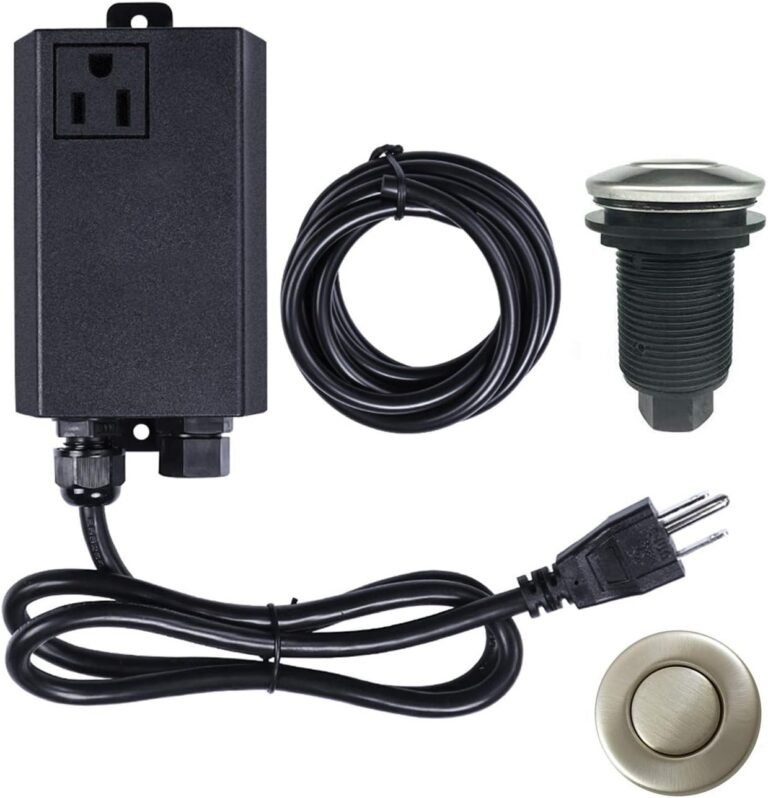
Have you seen those magnetic covers that sit flush with the sink? They are becoming popular for good reason. These covers do more than just hide the drain.
A magnetic cover locks into place with a strong pull. You have to press down and twist to release it. This simple action prevents accidental access.
We found that magnetic covers are especially helpful in homes with small children. It is much harder for a curious toddler to pop the cover open. The cover also stops metal utensils from slipping in by accident.
Mechanical Protections Against Jams and Overloads
Beyond protecting your hands, disposals protect themselves. These systems stop the motor from burning out. They also help clear blockages safely.
You never want to stick your hand inside to fix a jam. These features save you from that risky move.
Anti-Jam Protection and Auto-Reverse
Sometimes, you toss in a piece of corn husk or a chicken bone. The blades spin, things get stuck, and the motor strains. That is where anti-jam protection kicks in.
When the unit detects a blockage, it automatically reverses the direction. The blades spin the other way to dislodge the food. Then, they resume normal grinding.
We found that this feature is a lifesaver on Thanksgiving and Christmas. It handles those big meal cleanups without you needing to call a plumber. It also reduces wear and tear on the motor.
How Auto-Reverse Differs From Manual Reset
Older models required you to press a reset button on the bottom. That meant crawling under the sink. Auto-reverse does it for you in a split second.
Some units even cycle back and forth a few times. They try different angles to free the jam. If that fails, the unit shuts off to protect itself.
Overload Sensors and Automatic Shut-Off
Heat is the enemy of any motor. When a disposal works too hard, the motor gets hot. Overload sensors monitor the temperature closely.
If things get too hot, the system cuts the power. The unit stops spinning until it cools down. This prevents a costly motor burnout and a potential fire hazard.
Many experts say that this feature extends the life of your appliance significantly. You simply wait ten minutes for it to cool and press reset. It is a simple fix that saves big money.
Smart Technology and Sensor-Based Safety
Technology has made its way into the humble garbage disposal. Newer high-end models are not just grinding machines. They are smart appliances that sense conditions.
Auto Shut-Off Timers
Some disposals run for a set amount of time and turn off on their own. This prevents you from accidentally leaving it running for minutes. That protects the motor and saves electricity.
The settings are usually adjustable. You can choose a short cycle for soft foods and a longer one for tougher waste. The unit handles the rest.
Sound Sensors That Adapt
Certain premium models listen to the sound of the grinding. If the pitch changes to a straining sound, the system reacts. It adjusts the power or reverses direction to ease the load.
We found that this technology feels almost magical when you use it. It makes the disposal self-sufficient. You just turn it on and walk away.
What to Look For When Buying a Safe Disposal
If you are in the market for a new unit, you should compare features carefully. We found that not all disposals offer the same level of protection. Here is what we suggest you check before buying.
- Look for a durable, multi-layered splash guard. It should feel thick and springy.
- Check if it has auto-reverse jam detection. This is a non-negotiable feature.
- Confirm there is a thermal overload protector with an easy reset button.
- Consider a magnetic cover set for child safety.
- Look for a power rating that matches your household size. More power means less jamming.
Comparing Safety Feature Levels Across Models
Table time. We put together a quick comparison of what you can expect at different price points. This helps you match the features to your needs.
| Feature Type | Budget Models | Mid-Range Models | Premium Models |
|---|---|---|---|
| Splash Guard | Basic single-layer | Multi-layer anti-odor | Anti-microbial material |
| Jam Protection | Manual reset only | Auto-reverse function | Smart reverse sensors |
| Motor Overload | Thermal shut-off | Thermal shut-off | Digital temperature monitor |
| Cover System | Plastic stopper | Basic magnetic cover | High-strength magnetic lock |
You can see the jump in safety features as you go up in price. The good news? Even budget models include essential protections. They just lack the digital bells and whistles.
Extra Safety Habits You Should Practice
Even with all these safety features, your behavior matters. No machine is a substitute for common sense. We found that a few simple habits keep you safer.
Operating Your Disposal Safely
Always use cold water when running the disposal. Cold water keeps fats solid so they wash away easily. It also cools the motor during operation.
Do not use your fingers to push food down. Use a rubber spatula or the included food pusher. We found that this is the number one cause of accidents.
A quick checklist for every use:
- Turn on the water first, then the disposal.
- Feed scraps gradually, not all at once.
- Run the unit for 30 seconds after the food is gone.
- Never put your hand near the drain while it runs.
- Unplug the unit before cleaning it.
- Keep a plunger nearby for backup.
Stick to these habits, and you will likely never trigger the safety features at all. That is the goal, right?
Teaching Kids About Disposal Danger
Curiosity gets the best of kids sometimes. You can teach them that the disposal is not a toy. Use the magnetic cover as a visual barrier.
Show them how the switch works but explain that they should never touch it. We found that a simple “this is a grown-up tool” explanation works well. It sets a clear boundary.
Recognizing When a Safety Feature Fails
No safety device lasts forever. You should inspect your disposal regularly for signs of wear. Catching problems early keeps you safe.
A sagging or torn splash guard needs replacement. A disposal that smells burnt has likely overheated. If the reset button trips often, you have a deeper problem.
We found that most of these parts are inexpensive and easy to swap. A new splash guard costs less than ten bucks. Fixing it early beats dealing with a broken motor or a trip to the ER.
Trust your gut. If something feels off, turn off the power and inspect the unit. Better safe than sorry, right?
Conclusion
Your garbage disposal does more than grind up leftovers. It works hard to keep you and your family safe. The splash guard, magnetic covers, and auto-reverse technology all work together to protect your fingers and the motor.
We found that the best way to stay safe is simple. Buy a model with solid safety features, then build good habits. Use cold water, feed scraps gradually, and never reach inside. That combination is your best defense.
Here is your next step: check your current splash guard today. If it feels stiff, cracked, or loose, replace it. It is a cheap fix that keeps your disposal safe and working well for years.
Frequently Asked Questions
Can a garbage disposal turn on by itself?
No, a garbage disposal cannot turn on by itself. It only runs when you flip the wall switch. If your disposal runs on its own, you likely have a faulty switch or a wiring issue. Turn off the power at the breaker and call an electrician right away.
How do I test if my disposal’s overload protection works?
You can test the overload protector with a simple jam test. Turn off the power and insert a wooden spoon to block the blades. Turn the power back on and listen. The motor should strain for a few seconds, then shut off automatically. Press the red reset button on the bottom to restore power.
Are expensive garbage disposals really safer than cheap ones?
Higher-priced models offer more advanced safety features. You get auto-reverse jam detection and digital sensors instead of manual reset buttons. But budget models still include the basics like splash guards and thermal shut-off. Any model with these core features is safe for everyday use.
Should I unplug my disposal when cleaning it?
Yes, absolutely. You should unplug the disposal or turn off the breaker before cleaning. Even with the switch off, there is a small risk of accidental activation. We found that hardwired models need the breaker flipped off for full protection.
What does the clicking sound mean when my disposal jams?
That clicking sound is the auto-reverse feature working. It means the unit detected a jam and is trying to clear it. The blades alternate direction to break up the blockage. If the clicking continues for more than a minute, turn off the unit and manually remove the obstruction with tongs.