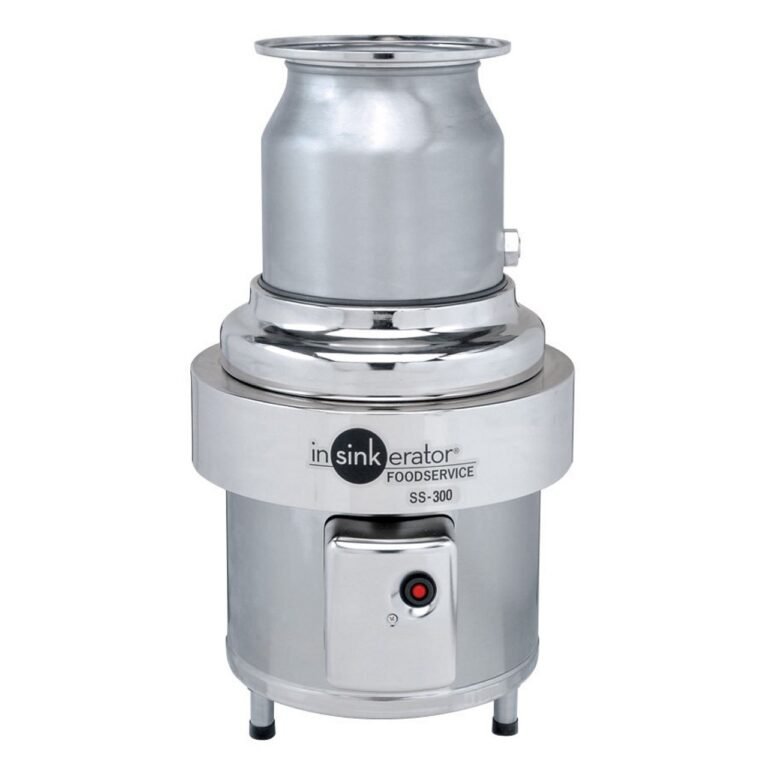
Garbage Disposal vs Disposer: What’s the Difference?
You can use garbage disposal and disposer interchangeably—they mean the exact same kitchen appliance. Garbage disposal is the more common term in most of the US, while disposer is a shorter nickname that manufacturers like InSinkErator popularized in their branding. Both words describe the same motorized device installed under your sink that grinds up food waste so it can safely flow through your plumbing.
We found that the confusion usually comes down to regional habits and marketing, not any real difference in how the appliance works or what it does. Whether you call it a disposer or a garbage disposal, you’re talking about the same handy tool that saves you from scraping plates into the trash can. Knowing the right term matters less than knowing how to use it properly to avoid clogs and keep your kitchen smelling fresh.
- They are the same thing: Disposer is just a shorter, more casual name for a garbage disposal.
- Manufacturers use both terms: You’ll see “disposer” on product boxes, but most people say “garbage disposal” in everyday conversation.
- No performance difference: The name you use doesn’t change how the unit works or what it can grind up.
- Regional slang plays a role: Some areas of the country lean toward one term over the other, but both are perfectly correct.
- Focus on proper use: What really matters is running cold water and avoiding fibrous foods like celery to keep your unit working for years.
Below, we’ll break down exactly how these two names came to be, which one you should search for when shopping, and simple tips to keep your kitchen workhorse running smoothly no matter what you call it.
Choosing Between the Two Names for Your Under‑Sink Appliance
We found that most people don’t realize both terms describe the same machine. You can use garbage disposal or disposer and you’re talking about the exact same appliance. There is no functional difference, no performance gap, and no special feature tied to one name. The choice is purely about language, habit, and sometimes who made the unit.
If you’re shopping for a new unit, either term will get you the same results. We recommend searching both names to see the full range of products available.
Why Manufacturers Prefer the Shorter Word
Marketing people love short words. They fit better on boxes, labels, and ads. InSinkErator, the biggest player in the market, used “disposer” heavily in their branding for decades. That’s why you’ll see it on packaging, instruction manuals, and product pages.
Many experts say the shorter term was also easier to trademark and protect. “Garbage disposal” is a generic phrase anyone can use. “Disposer” feels more like a brand name, even though it has become generic too.
We found that plumbers and contractors often say “disposer” because they deal with the brand names daily. Homeowners almost always say “garbage disposal.” Neither group is wrong.
Regional Habits Across the United States
Language changes by region, and this term is no exception. We found that the Midwest and Northeast lean heavily toward “garbage disposal.” Out West, especially in California, you’ll hear “disposer” more often.
There’s no official map or rule for this. It’s just how people talk in different areas. If you move from Ohio to Oregon, you might hear a different word for the same thing under your sink.
Both words are perfectly correct in any state. Your neighbors will understand you no matter which one you pick.
What the Appliance Actually Does for Your Kitchen
Let’s step back. The name matters less than the job this appliance does. A garbage disposal shreds food scraps into tiny pieces. Those pieces wash down your drain with water. That keeps food waste out of your trash can and reduces the smell of rotting garbage.
We found that most units use a spinning disk and sharp impellers. These break down soft foods quickly. Tougher items like bones and fruit pits need more time and more water.
The motor sits under your sink and connects to your drainpipe. It runs on standard household electricity. Many experts say the typical unit lasts 10 to 15 years with proper care.
How It Grinds Food Waste
When you flip the switch, the motor spins the disk at high speed. Centrifugal force pushes food against the grinding ring. The impellers break the food into tiny bits. Then water flushes those bits through the plumbing.
Cold water is your best friend here. It keeps any grease or fat solid. Solid fat travels through pipes easier than liquid fat, which can coat your drain walls and cause clogs later.
Many guidelines point to running cold water for at least 15 seconds after the grinding noise stops (Environmental Protection Agency). That extra flush clears the pipe completely.
The Role of the Sink Flange
The sink flange is the visible metal ring at the bottom of your sink. It connects the disposal to the sink basin. A rubber splash guard sits inside it to keep water from spraying back up.
This part gets grimy over time. We found that removing the splash guard and cleaning it weekly helps prevent odors. A quick scrub with an old toothbrush and soap works fine.
What You Can and Can’t Put Down the Unit
People ask us all the time what’s safe to grind. The honest answer is that some foods love the disposal, and others will fight back. We found that knowing the difference saves you from expensive plumbing repairs.
Soft foods are generally safe. Hard items and fibrous materials are the troublemakers. A little common sense goes a long way.
| Safe to Grind | Keep Out of the Disposal |
|---|---|
| Leftover cooked pasta | Celery stalks |
| Rice and grains | Corn husks |
| Soft fruit scraps | Artichoke leaves |
| Cooked meat pieces | Banana peels |
| Small bones | Grease and oil |
| Coffee grounds | Large pits |
Fibrous foods wrap around the impellers. That can jam the motor. Grease coats your pipes and hardens. Large pits can dent or break the spinning disk.
Many experts say fibrous vegetables are the number one cause of jams (Consumer Reports). Keep those out and your unit will thank you.
Soften Up Your Disposal Habits
Run cold water before you drop any food in. That gives the pipe a good start. Then add food slowly, not all at once. Let the unit work in small batches.
You don’t need to grind everything that lands in your sink. Coffee grounds are fine in small amounts. Eggshells add grit that can help scrub the grinding chamber, but keep them to a handful.
We found that people who use this rhythm rarely need repairs. Slow and steady wins the race down the drain.
Installation and Replacement Tips
If you’re replacing an old unit, the job is simpler than you might think. We found that most replacements take under two hours for a confident DIYer. You’ll need a screwdriver, plumber’s putty, and maybe a basin wrench.
Turn off the power at the breaker first. That’s non-negotiable. Then disconnect the drainpipe, unscrew the mounting ring, and lift the old unit out.
New units come with mounting hardware that fits most standard sinks. Follow the manual step by step.
Hardwired or Plug‑In?
Some units plug into a wall outlet under the sink. Others are hardwired directly into your home’s electrical system. Plug‑in models are easier for DIY installation. Hardwired units need a licensed electrician unless you’re comfortable with wiring.
Many guidelines point to checking your local electrical code before starting (National Electrical Code). Some areas require a dedicated circuit for the disposal.
We found that plug‑in models are more common in newer homes. They’re also easier to swap out when the unit wears out.
When to Call a Professional
If you see water leaking from the bottom of the unit, stop using it. That usually means the seal is broken. A plumber can fix the seal, but a cracked housing means a full replacement.
If the motor hums but doesn’t spin, the impeller might be jammed. Turn off the power and use an Allen wrench in the bottom socket to free it. Most units come with this wrench.
We suggest calling a pro if you’re not comfortable working near electrical connections or under your sink. A small mistake can cause a big flood.
Daily Habits That Keep Your Unit Working for Years
Your disposal rewards small, consistent habits. A few seconds of extra care each day beats a costly repair later. We found that these simple routines cut the risk of clogs and breakdowns dramatically.
Make it part of your dishwashing rhythm and you won’t even think about it.
- Always run cold water during and after grinding.
- Feed food gradually instead of dumping a full plate at once.
- Skip fibrous vegetables like celery and corn husks entirely.
- Frozen citrus peels can freshen the unit and sharpen the blades.
- Clean with baking soda and vinegar monthly to remove buildup.
- Never use chemical drain cleaners that can damage seals and pipes.
Each of these takes under a minute. That’s a tiny time investment for an appliance that works hard every day.
Odor Control Without Harsh Chemicals
Smells happen when food particles stick around too long. We found that grinding ice cubes helps knock loose stuck bits. Then flush with cold water and a slice of lemon.
Baking soda is another gentle option. Sprinkle half a cup into the unit, let it sit for 15 minutes, then run water for a minute. It neutralizes odors without scratching the metal parts.
Many guidelines suggest avoiding bleach or ammonia in the disposal (Centers for Disease Control and Prevention). Those chemicals can damage rubber parts and create dangerous fumes when mixed with other residues.
What to Buy When You Need a New Unit
Shopping for a new disposal can feel overwhelming. We found that focusing on three key specs makes it simple. Horsepower, noise level, and warranty are the big ones.
Standard units start at one‑third horsepower. That’s enough for light use in a small household. Half horsepower handles most families fine. Three‑quarter horsepower is best for heavy use and tougher foods.
Look for sound insulation features if you have an open kitchen layout. Quieter units carry a higher price tag but they’re worth it.
Match the Power to Your Needs
Think about your cooking habits. Do you eat out often? Then a smaller motor works fine. If you cook every meal at home and process lots of prep scraps, step up the horsepower.
We found that most people overestimate how much power they need. A standard half‑horsepower unit from a reputable brand handles daily use without breaking a sweat.
Check the warranty too. Many experts say a longer warranty signals better build quality. Look for at least five years of coverage on the motor.
Conclusion
So, garbage disposal or disposer? You can confidently use either name. They are the exact same appliance under your sink. The term you choose only reflects your regional habit or the brand you bought. What truly matters is how you treat the unit day to day.
We covered the essentials: run cold water, skip fibrous foods, and clean it monthly. These small habits keep your unit running for years. You do not need to overthink the name. You just need to use the appliance correctly.
Your next step is simple. Check your current kitchen routine. If you are not running cold water for 15 seconds after grinding, start today. That one habit prevents most clogs and keeps your kitchen smelling fresh.
Frequently Asked Questions
Which term is more professional, garbage disposal or disposer?
Plumbers and contractors often use “disposer” because of brand familiarity. Homeowners typically say “garbage disposal.” Both terms are professional and correct. You should use whichever feels natural to you.
Does the brand InSinkErator make disposals or disposers?
InSinkErator makes the same appliance you call by either name. Their marketing materials heavily use “disposer.” You will see that shorter word on their boxes and manuals. The product itself is identical to what competitors call a garbage disposal.
Is one term more common in certain states?
Yes, we found regional patterns. The Midwest and Northeast lean toward “garbage disposal.” You will hear “disposer” more often out West, especially in California. Neither term is wrong in any part of the country.
Can you grind ice cubes to clean a garbage disposal?
Yes, ice cubes work great. They knock loose stuck food particles from the grinding chamber. Follow up with a handful of rock salt and cold water. This method also sharpens the impellers without damaging the unit.
Why did manufacturers pick the word disposer for their branding?
Short words fit better on product labels and advertisements. “Disposer” was also easier to protect as a brand name. “Garbage disposal” is a generic phrase anyone could use. The shorter term felt more distinct in marketing campaigns.