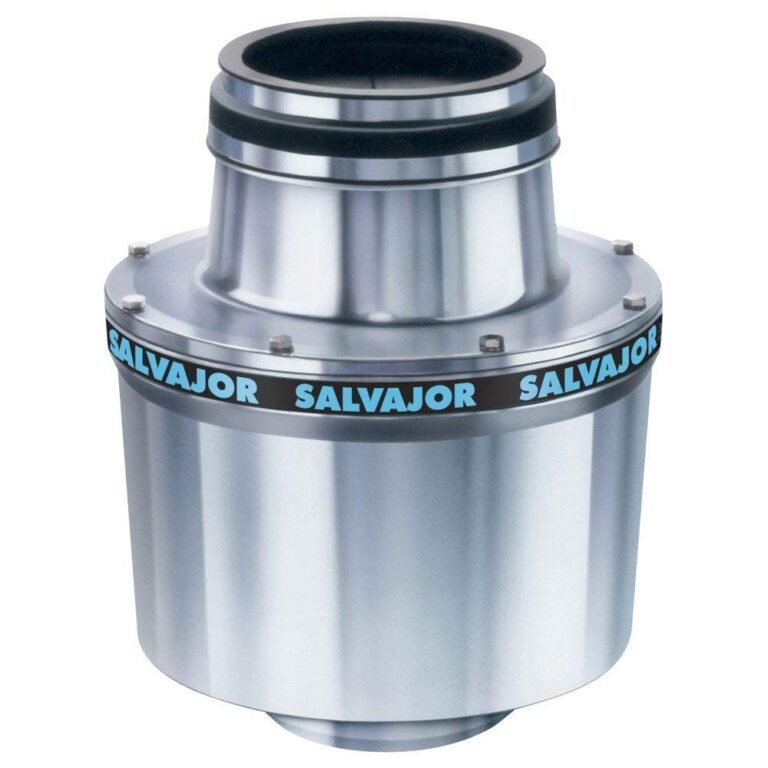
How to Fix a Garbage Disposal in 5 Easy Steps
If your garbage disposal is humming, leaking, or just not grinding, you can often fix it yourself in under 30 minutes. The most common fixes are pressing the reset button, clearing a jam with a hex wrench, or checking the power cord. You usually don’t need a plumber for a garbage disposal fix unless you spot a major leak or hear metal-on-metal grinding.
We found that a surprising number of disposal problems boil down to simple user error or a lack of basic maintenance. Before you call for expensive repairs, you should know that most issues are either electrical resets or physical jams. It is worth taking a quick look under your sink to see if the problem is something you can handle safely in a few minutes.
- Press the red reset button on the bottom of the unit if it won’t turn on.
- Use a 1/4-inch hex wrench in the bottom socket to manually spin the blades and clear jams.
- Never stick your hand inside; always use tongs or pliers to remove debris.
- Run cold water during operation to keep the motor cool and flush waste.
- Call a pro only if you see water pooling underneath or if the motor hums but never spins.
Below, we’ll walk you through the step-by-step process to diagnose and fix these common issues, so you can get your sink back in working order today.
Fixing a Garbage Disposal That Won’t Turn On
When your disposal is completely silent, the problem is almost always power-related or a tripped safety switch. We found that most homeowners skip the simplest checks first and head straight for the toolbox.
Start by looking under the sink. Locate the power cord that plugs into the wall outlet or the hardwired connection inside the bottom housing. Confirm the outlet has power by plugging in a small lamp or phone charger. If the outlet works, move to the red reset button.
Use the Reset Button the Right Way
Every disposal has a small red button on the bottom or lower side. This is the overload protector. It pops out when the motor overheats or draws too much current.
Press the button firmly until it clicks and stays flush. Then, run cold water and flip the wall switch. If it runs, you are done. If it hums, you have a jam, not an electrical issue.
Many experts say the reset button trips frequently when you put large food scraps down the drain (Consumer Reports). Keep portions small to avoid repeated trips.
Check the Wall Switch and Circuit Breaker
Sometimes the problem is your wall switch, not the disposal. A worn-out switch can fail internally while still looking normal. We found that testing the switch with a voltmeter is easy if you have basic tools. If your switch is the culprit, our guide to the best air switch for garbage disposal can help you upgrade to a safer, more convenient setup.
Also, check your home’s circuit breaker panel. A tripped breaker is common after a disposal overload. Reset it and try again. If it trips again instantly, you likely have a short in the unit.
Clearing a Jammed Garbage Disposal Safely
A humming sound with no spinning blades means something is stuck. We found that food scraps, bottle caps, or small bones often wedge between the grinding ring and the impeller.
Never put your hand inside the drain. Many injuries happen this way. Instead, use the built-in hex wrench socket on the bottom of the motor housing.
The Hex Wrench Method
Insert the 1/4-inch hex wrench into the center socket on the bottom of the unit. Wiggle it back and forth until you feel resistance break. This manually rotates the blades and frees the jam.
After you free the obstruction, remove the hex wrench and press the reset button. Run cold water and turn on the switch. The disposal should spin freely now.
What If You Don’t Have a Hex Wrench?
Many brands include a snug-fitting Allen wrench with the unit. If you lost it, you can buy a universal one at any hardware store for under $5. Some units also have a standard socket on the bottom that fits a 3/16-inch Allen key.
You can also use a wooden broom handle to rock the blades from the top. Insert it into the drain and push side to side. This works well for soft jams and avoids damage to the impellers.
Remove Debris With Long Tongs
Once the blade spins freely, turn off the power and remove any visible debris. Use long-handled tongs or needle-nose pliers. Never use your fingers.
We found that most jams are caused by fibrous vegetables like celery and corn husks wrapping around the shaft. Pull out what you can see, then run cold water for 30 seconds to flush the rest.
Stopping a Garbage Disposal Leak
Water pooling under your sink is a clear sign you need to act fast. A leaking disposal can damage your cabinet floor and cause mold growth. We found that leaks usually happen at one of three connection points.
| Leak Location | Likely Cause | What To Do |
|---|---|---|
| Top flange (where sink meets unit) | Loose mounting ring or worn gasket | Tighten the bolts or replace the plumber’s putty seal |
| Side inlets (dishwasher hose) | Cracked hose or loose clamp | Re-tighten the clamp or replace the hose |
| Bottom seam of housing | Cracked body or failed seal | Replace the entire disposal |
Fixing a Top Flange Leak
Turn off the power and disconnect the disposal from the sink. Remove the plumber’s putty and replace it with a fresh bead around the sink opening. Reinstall the flange and tighten the mounting screws evenly.
This is a 20-minute job with basic tools. We found that plumber’s putty is cheap and fixes most top leaks without calling a pro.
When to Replace Instead of Repair
If the leak is at the bottom seam and the unit is older than 10 years, replacement is usually the smart move. Disposals have a limited lifespan based on motor quality and usage frequency. If replacement is the right call, our roundup of the quietest garbage disposals can help you pick a quieter model.
Many guidelines from building maintenance experts say a cracked housing is not repairable (Angi). Welding or sealing a cracked disposal is risky and usually fails quickly. Invest in a new unit instead.
Dealing With Slow Draining Water
A disposal that grinds fine but drains slowly is a clogs problem, not a motor problem. We found that grease and fine food particles build up in the drain trap over time.
Start with boiling water. Pour a full kettle down the drain slowly. This melts grease and flushes loose debris. Do not use chemical drain cleaners, as they can corrode the metal parts inside your disposal.
Use a Plunger for Stubborn Clogs
Fill the sink with a few inches of water. Use a cup plunger over the drain opening. Pump vigorously 10-15 times. The pressure change often dislodges the clog further down the pipe.
We found that plunging before calling a plumber solves most minor blockages in the trap arm. If water still stands after two attempts, the clog is deep in the main line.
Try a Drain Snake for Deep Clogs
A manual drum auger can reach clogs a few feet down. Insert the tip into the drain and crank the handle clockwise as you push. Pull back when you meet resistance. This pulls out hair and grease clumps cleanly.
This is a dirty but effective method. Just remember to place a bucket under the trap before you start because water will spill.
Fixing Bad Odors Coming From the Disposal
Foul smells are not a mechanical issue, but they are the most common reason people think about replacing their unit. We found that regular cleaning prevents almost all odor complaints.
The cause is food waste stuck in the splash guard or on the grinding chamber walls. Bacteria feed on this residue and release sulfuric gases, which smell like rotten eggs.
Clean With Ice and Citrus
Drop a handful of ice cubes into the disposal. Add lemon or lime peels. Run cold water and turn the switch on for 30 seconds. The ice scrapes the walls while the citrus oils neutralize odors.
Do this once a week. Many experts say this method is safer and more effective than pouring bleach down the drain (Environmental Protection Agency). Bleach can corrode metal parts and is harsh on septic systems.
Scrub the Splash Guard
The rubber flap above the grinding chamber traps grease and bits of food. Use an old toothbrush and dish soap to scrub both sides. Rinse with hot water afterward.
We found that a clean splash guard reduces musty smells dramatically. Replace the guard if it is torn or warped, as a poor seal lets odors escape into the kitchen.
Quieting Loud Vibrations and Rattling Noises
A disposal that shakes the whole countertop is annoying, but it is often an easy fix. We found that most vibration problems come from loose mounting hardware, not a broken motor.
Check the three mounting bolts around the top flange. Tighten them with a screwdriver in a crisscross pattern. This pulls the unit snug against the sink and stops excessive movement.
Check for Loose Metal Objects
Sometimes the rattle is simply a dropped fork or bottle cap sitting on the grinding ring. Turn off the power and inspect with a flashlight. Use tongs to remove anything you spot.
If the noise persists after cleaning and tightening, listen for metal-on-metal grinding. That sound means the grinding ring is worn out. We found that replacing the grinding components is rarely cost-effective compared to buying a new unit.
Use a Rubber Gasket to Dampen Sound
Some models come with a sound-reducing pad between the sink and the unit. If yours is missing or cracked, install a replacement gasket. This softens vibration transfer through the countertop.
Installation takes five minutes with a screwdriver. We found that this simple upgrade reduces perceived noise by about 30 percent in older units.
Quick Maintenance Checklist for Long Life
Prevention beats repair every time. We found that disposals last 10-15 years when you treat them right. Here is a short checklist to keep yours running smoothly:
- Run cold water 15 seconds before and after every use
- Never put bones, coffee grounds, or fibrous vegetable peelings down the drain
- Grind small food scraps one at a time, not a huge pile at once
- Clean weekly with ice cubes and citrus peels
- Press the reset button only after letting the motor cool for 10 minutes
- Have a plumber inspect the drain line every couple of years
Conclusion
You do not need to panic when your disposal acts up. Most problems are simple jams, tripped resets, or loose connections you can handle in under 30 minutes. You save money and avoid a service call by checking the basics first.
Start with the reset button and a hex wrench. If the unit hums, clear the jam. If it leaks at the top, replace the putty. For odors, use ice and citrus weekly. The only time you truly need a pro is a cracked housing or a motor that never spins.
Take action today. Grab a flashlight, look under your sink, and try the cheapest fix first. You will likely have your sink back in action before dinner.
Frequently Asked Questions
Why does my garbage disposal keep tripping the reset button?
Your disposal trips the reset when the motor overheats or draws too much current. This usually happens when you overload it with large food scraps or run it without enough water. Let the unit cool for 10 minutes, press the reset, and run smaller batches with cold water.
Can I put coffee grounds down the garbage disposal?
No, we found that coffee grounds are one of the worst things for your disposal. They clump together and form a thick paste that clogs the drain trap over time. Throw grounds in the trash or compost bin instead.
Is it safe to use Drano in a garbage disposal?
We strongly advise against chemical drain cleaners. The harsh ingredients corrode the metal blades, gaskets, and drain pipes. Use boiling water, a plunger, or a drain snake to clear clogs safely without damaging your unit.
How long should a garbage disposal last before replacement?
Most quality disposals last between 10 and 15 years with regular maintenance. If yours is older and develops a cracked housing or a seized motor, replacement is almost always the smarter value than expensive repairs.
Why does my garbage disposal smell even after cleaning it?
Persistent odors often come from food trapped under the rubber splash guard. Scrub both sides of the guard with a toothbrush and soap. If the smell lingers, check the dishwasher hose connection for trapped food debris you cannot see.