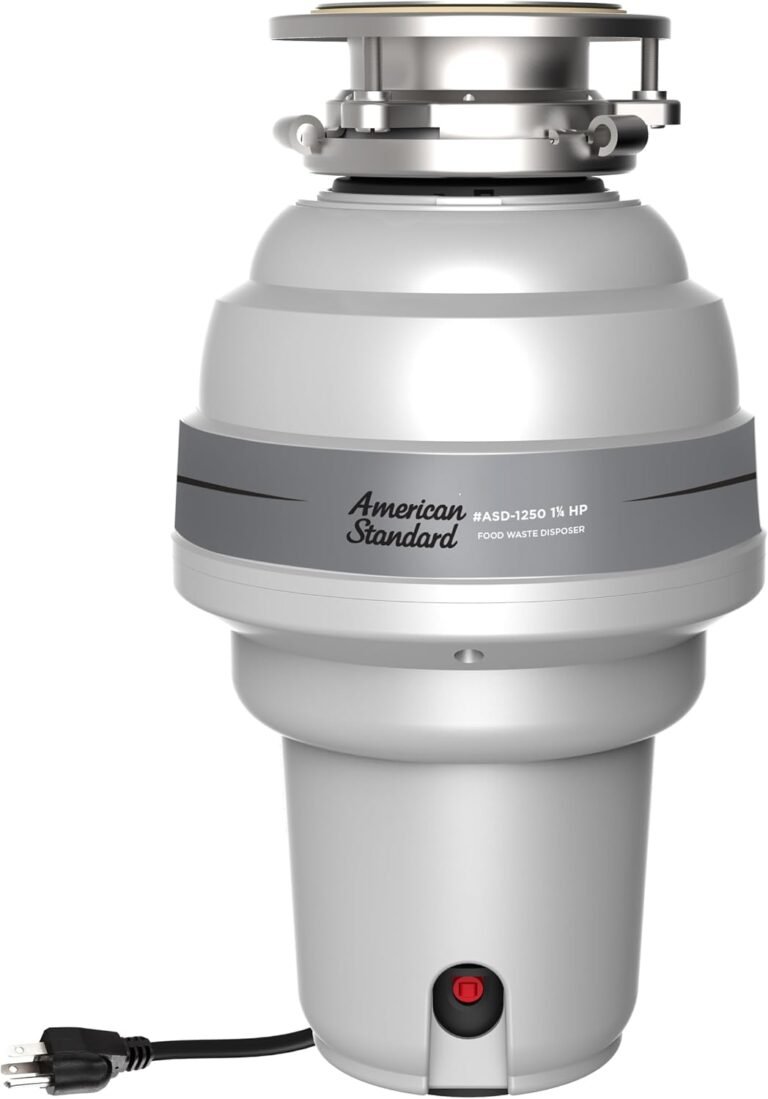
Garbage Disposal Safety Guard: Do You Really Need One?
A garbage disposal safety guard is a rubber or plastic splash guard that sits inside the drain opening and covers the sharp blades below. It protects your fingers and hands from accidental contact while you run the disposal or push food down the drain.
You might think you’re careful around your disposal, but a splash guard is a simple, affordable way to add a layer of protection. We found that most kitchen accidents happen when people try to retrieve a dropped utensil or use their hands to push food down. This small part also helps reduce noise and keeps food particles from splashing back up at you.
- What it is: A flexible guard that blocks direct access to the blades.
- Why you need one: It prevents serious finger injuries and keeps splashes contained.
- How to install it: It pushes right into the drain flange in under a minute.
- Signs it needs replacing: Look for cracks, warping, or if it stops staying in place.
- Cost: You can find a reliable replacement for usually less than $15.
Below, we walk you through how these guards work, how to spot a worn-out one, and the best way to swap it out safely at home.
A Closer Look at Garbage Disposal Splash Guards
Think of the rubber guard at the top of your drain as a set of floodgates. It keeps the messy stuff down below where it belongs. More importantly, it acts as a physical barrier between your fingers and the spinning metal teeth that live in the dark.
We found that many homeowners don’t realize how much debris escapes during normal use. Without a guard, small bits of food can shoot straight up. You end up with tomato seeds on your shirt and coffee grounds on your countertop. That’s a frustrating way to end a meal prep session.
Why This Tiny Part Matters for Your Safety
Your disposal has a powerful motor that spins blades at high speed. It doesn’t care if the item sticking inside is a chicken bone or your fingertip. You can’t see the blades from above, which makes them especially dangerous.
Most people know they shouldn’t reach inside. But what about that fork that just slipped? You might instinctively grab for it. That split-second reaction is where injuries happen, according to safety guidelines from the Consumer Product Safety Commission.
A simple guard removes that temptation completely. It physically blocks your hand from getting anywhere near the cutting chamber. You get a little forgiveness built into your appliance, which everyone can use sometimes.
The Hidden Danger of Dropped Items
We have all been there. You drop a spoon, and it clinks down into the drain. Your first thought is to fish it out fast. That instinct puts you at risk. Never put your hand in there, even if the switch is off. The blades are sharp and can surprise you.
The guard makes it harder for a stray hand to get close. It adds a required step to the retrieval process. By the time you realize you can’t reach through, your brain catches up and tells you to grab the tongs instead. That half-second delay can save your fingers.
The Signs Your Disposal Guard Needs Replacing
These guards are tough, but they are not invincible. Daily use takes a toll. Hot water, sharp objects, and constant motion cause wear and tear. Over time, the rubber loses its shape and grip. You need to know what to look for, much like checking the tread on your tires.
Many experts say a worn guard is a safety hazard. It can pop out of place right when you need it most. You do not want it to slip down into the disposal while the machine is running. That could jam the motor and create a bigger mess.
Visible Wear and Tear
Take a quick peek at your guard right now. If you see cracks, tears, or missing chunks, it is time for a replacement. Discoloration is another clue. When the rubber turns a weird gray or yellow, the material is breaking down.
Molded edges are a key sign of heat damage. Running hot water excessively can warp the sleeve. If the bottom part of the guard looks melted or wavy, swap it out immediately. A warped guard loses its ability to block splashes effectively.
Fit and Function Issues
The guard should fit snugly inside the drain flange. It should not wiggle or shift around when you touch it. We found that a loose guard is almost as dangerous as having none at all. It might fall out completely and land right at the bottom of the sink.
Pay attention to how the guard behaves when the disposal is running. Do you see water splattering out? That means the guard is not sealing the opening correctly. A proper guard contains the water and food particles completely.
Step-by-Step Installation Guide for a New Guard
Swapping out an old guard is a five-minute job. You don’t need any special tools. You just need your hands and a little bit of patience. It is one of the easiest DIY fixes you can do in your kitchen.
First, you need to remove the old one. Reach into the sink and grab the edge of the rubber guard. Give it a firm pull and wiggle it out. There is no screw or clip to loosen. The friction fit is the only thing holding it in place.
Getting the Old Guard Out
If the old guard is brittle, it might break apart as you pull. That is okay. Just pull out all the pieces. You can use a pair of needle-nose pliers to grab stubborn bits if needed. Just make sure the disposal is completely turned off first.
Unplug the unit under the sink or turn off the circuit breaker for extra safety. This prevents any chance of accidental startup. It only takes a second and gives you total peace of mind while you work.
Popping the New One In
Here is a quick comparison of what you are looking for in a new guard versus an old one:
| Feature | New Guard | Old Guard |
|---|---|---|
| Material | Flexible and pliable | Stiff or brittle |
| Shape | Rounded and even | Warped or flattened |
| Fit | Snug, needs a push | Loose and wobbly |
| Color | Uniform dark color | Faded or stained |
Take the new guard and line it up with the drain opening. Press it down firmly with your palm. You might hear a soft pop or click when it seats correctly. Give it a gentle tug to make sure it is secure.
Run cold water and turn on the disposal. Watch for any leaking or looseness. If it holds firm, you are done. Your new splash guard is ready to work.
Bonus Benefits Beyond Safety
The safety guard does more than just protect your fingers. We found that it also acts as a sound dampener. The rubber absorbs some of the noise from grinding food. This makes your kitchen quieter, which is always a nice bonus when you run the disposal late at night.
It also prevents silverware from slipping down accidentally. That small rim catches the edge of a spoon before it falls in. You will spend less time digging through the trap with pliers. That alone is worth the low price of a replacement guard.
Keeping Your Kitchen Cleaner
Have you ever finished grinding food and then noticed little chunks stuck to the sink walls? That is food splatter. A good guard blocks those particles from shooting upward. Your sink stays cleaner, and so does the area around it.
The guard also keeps the drain flange in better shape. It prevents harsh cleaners and abrasive scrubbers from damaging the metal rim. You get a better-looking sink that lasts longer.
Choosing the Right Size
Disposals come in many sizes, so you need to check your model. The opening diameter is usually either a standard size or a bit smaller. Grab a tape measure and check the inside of the drain flange. Matching the correct size ensures a secure fit.
Brand compatibility matters here. Most new guards are universal, but some are made for specific brands. Look for one that matches your disposal model number. If you are unsure, measure the inner diameter and compare it to the product spec.
Quick Checklist Before You Shut the Cabinet Door
You have the new guard in. Great. Let us make sure you did not miss any steps. Use this quick list to double-check your work:
- Verify the disposal is still unplugged before touching the drain area.
- Check that the guard sits flush against the top of the flange.
- Tug on the guard gently to confirm it will not pull out easily.
- Run cold water and test the disposal for unusual vibrations.
- Look for water pooling around the base of the sink.
- Keep the guard clean by wiping it down weekly with soapy water.
Taking care of your splash guard is simple. A quick wipe here and there keeps it free of slime and harsh odors. Clean guards last longer and work better.
Remember, this tiny piece of rubber is a small investment. You get peace of mind every single time you use your sink. If you notice any cracks at all, do not wait. Order a replacement guard today and keep your kitchen a safe place for everyone.
Conclusion
You do not need to be a plumber or a safety expert to protect your hands in the kitchen. A garbage disposal safety guard is one of the cheapest, most effective upgrades you can make to your sink. It blocks sharp blades, keeps splashes contained, and stops silverware from slipping down by accident.
We walked you through the signs of wear, like cracks, warping, or a loose fit. You also learned how to swap out an old guard in less than five minutes with zero tools. That is a small time investment for serious peace of mind.
Here is your next step: check your current guard right now. Give it a gentle tug and look for cracks. If anything seems off, order a replacement today. Your fingers will thank you, and you will never worry about a dropped fork again.
Frequently Asked Questions
Can a garbage disposal safety guard prevent all injuries?
No safety device can guarantee complete protection. A splash guard significantly reduces the risk of accidental contact with the blades. You still need to follow basic rules, like never reaching into the drain and always using tongs to retrieve dropped items. The guard adds a crucial barrier, but your own caution remains the most important safety tool.
How often should I replace my garbage disposal splash guard?
You should inspect your guard every couple of months for visible wear. Most homeowners replace theirs every one to two years, depending on how often they use the disposal. If you notice cracking, warping, or if it starts slipping out of place, swap it out immediately. A quick visual check takes just a few seconds once a month.
Will a splash guard fit my specific garbage disposal brand?
Most modern splash guards are designed to be universal and fit standard drain openings. You should still check your disposal model number before buying. Look at the product description to see if it lists your brand, like InSinkErator, Waste King, or Moen. Measure the inner diameter of your drain flange to confirm a proper match.
Can I clean a garbage disposal safety guard, or should I just replace it?
You can clean a functional guard to extend its life and keep your sink fresh. Wipe it down weekly with warm, soapy water to remove food residue and slime. You can also use a mild bleach solution or baking soda paste for tougher buildup. If the guard shows cracks, tears, or has lost its shape, cleaning will not fix those issues.
Why does water splash out of my garbage disposal even with a guard installed?
Water splashing out usually means your guard is not sealing properly against the drain flange. The guard might be warped, too small, or simply worn down. Check the fit and press it down firmly to make sure it is seated. If the splashing continues, you likely need a new replacement guard that matches your disposal model.