Corded vs Cordless Garbage Disposal: Which to Pick
For most homes, a hardwired (corded) garbage disposal is the better choice. The corded version (with a plug) is only needed if your local electrical code requires it or you lack a dedicated circuit. We found that hardwiring is usually cheaper, looks cleaner, and is the standard in modern construction.
Choosing between a corded vs uncorded garbage disposal comes down to your home’s wiring setup. A corded unit plugs into a wall outlet, while an uncorded one gets wired directly into your home’s electrical system. This decision affects installation cost, safety, and whether you need an electrician, so it’s smart to know the difference before you buy.
- Corded disposals need an existing outlet under the sink; if you don’t have one, you’ll pay extra.
- Uncorded (hardwired) models are typically less expensive to install if the wiring is already in place.
- Corded units are easier to swap out if you’re a confident DIYer, since you just unplug.
- Hardwired disposals hide the cord for a cleaner look and can’t be accidentally unplugged.
- Your local building code might dictate which type is allowed—always check before buying.
Below, we break down everything you need to know about corded vs uncorded garbage disposals, including pros, cons, and how to tell which one fits your kitchen. Let’s walk through it together so you can make the right call the first time.
Hardwired vs Plug-In Disposals: Your Kitchen Wiring Guide
At the heart of the decision is how your kitchen delivers power. If you peek under your sink right now, you may already see the answer. A garbage disposal can either plug into an outlet like a lamp or connect directly to a junction box like a ceiling light.
We found that most homeowners don’t realize how much this simple difference affects the project scope. It changes the tools you need, the safety steps involved, and even the total cost of getting food waste grinding again.
Why the Distinction Exists in the First Place
Manufacturers ship disposals in two formats for a reason: building codes vary by city and county. In some areas, the local electrical code mandates a plug-in connection for any appliance under a sink. In others, hardwiring remains the accepted standard for all kitchen appliances.
You might think the choice is entirely yours, and that’s true a lot of the time. But your local inspector may have the final say. Many renovation guides point out that the National Electrical Code has specific rules for appliances installed in damp or wet locations, which applies to the under-sink area (National Fire Protection Association guidelines).
What a Corded Garbage Disposal Actually Means
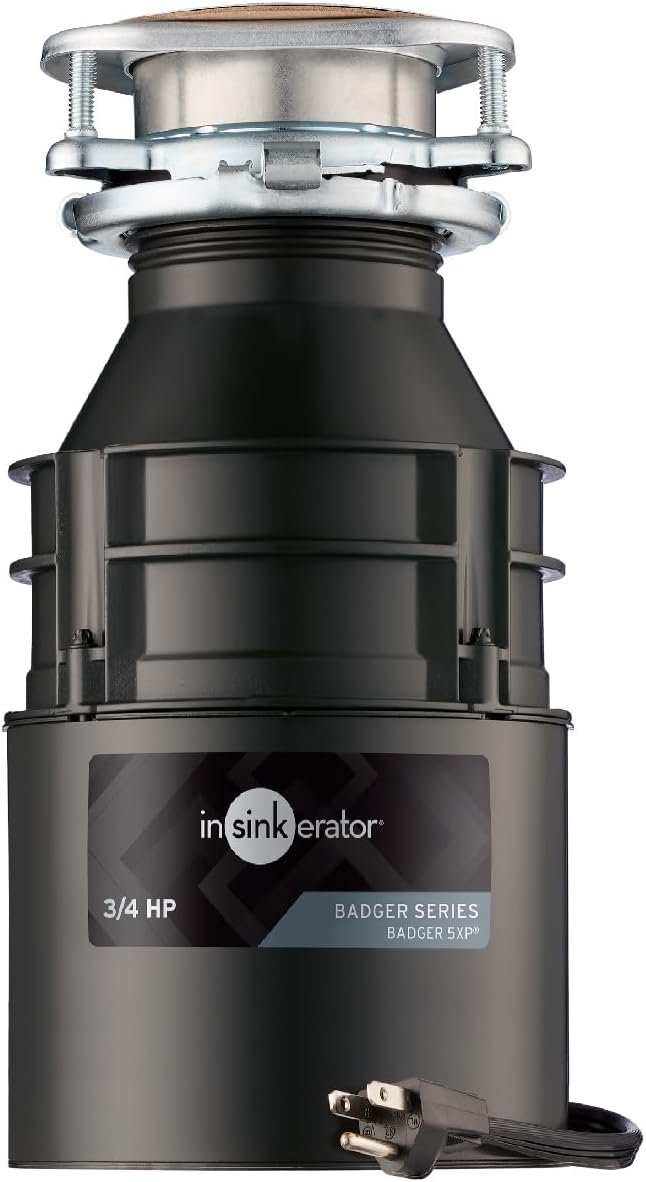
When you buy a corded disposal, it arrives with a power cord pre-attached. The cord ends in a standard three-prong plug, just like your toaster or microwave. You simply plug it into a nearby outlet and you’re done.
This setup is user-friendly for swaps. If your old unit is also corded, the replacement takes about 20 minutes. We found that DIYers who are comfortable with basic household tasks can handle this without any electrical experience.
The Real Cost of Needing an Outlet
Here’s where things get tricky. If you don’t have an outlet under the sink, a plumber or electrician must install one. That means cutting into drywall or running new wiring from a nearby circuit. Labor costs for this addition can range from one hundred fifty to three hundred dollars, depending on the complexity.
If you already have an outlet, a corded model is often the simplest path forward. No special tools are required. You avoid opening your home’s electrical panel entirely, which appeals to many people.
Accidental Unplugging Risks
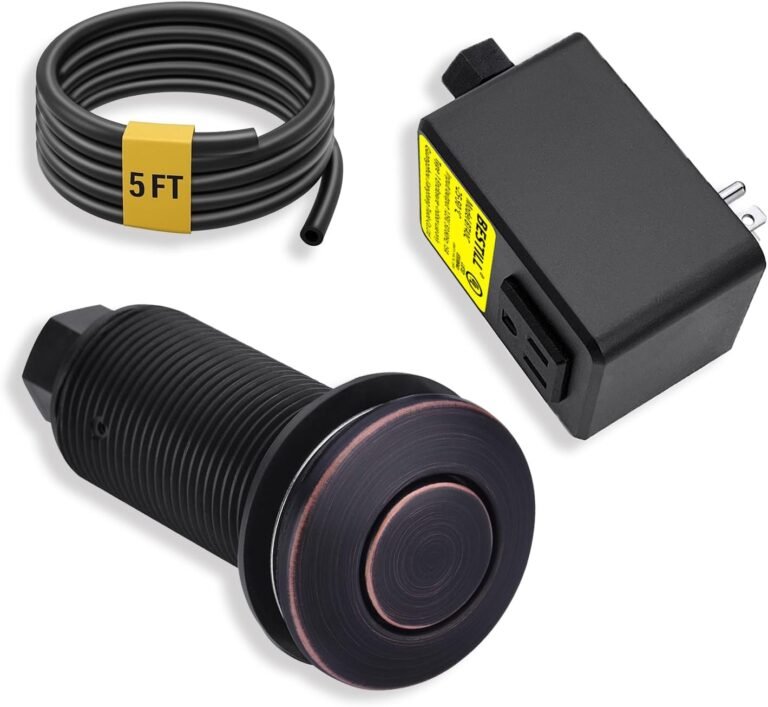
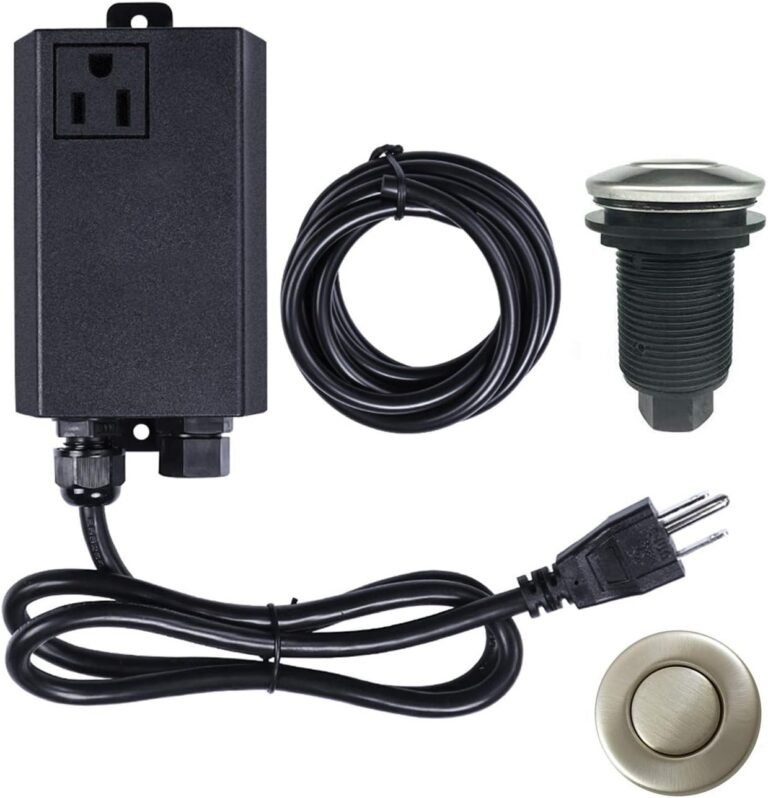
Every downside has a counterpoint. A corded disposal can unplug if the vibration is strong, though this is rare in modern units. The cord also takes up cabinet space and can create clutter near your plumbing pipes. If you want to avoid the cord entirely, consider an air switch for your disposal, which we cover in our guide.
You also have to deal with the cord’s length. Most units ship with a six-foot cord, which may or may not reach your outlet.
- Check the distance from the disposal body to your outlet before buying.
- Measure the available space in the cabinet to ensure the cord doesn’t kink.
- Look for units with a right-angle plug for tighter spaces.
- Confirm the outlet is GFCI-protected, a safety requirement in many jurisdictions.
Understanding the Uncorded (Hardwired) Option
An uncorded disposal arrives without a plug. Instead, it has bare wires inside a small metal box on the unit. Your electrician connects these wires directly to your home’s electrical supply, usually with wire nuts and electrical tape.
The connection happens inside a junction box mounted to the wall or under the cabinet. Once connected, there is no visible cord at all. The system looks tidy and professional, and there is zero risk of the disposal being accidentally unplugged.
Who Should Choose a Hardwired Disposal?
Homes with existing hardwired disposals often stay with this style. It keeps consistency with the original installation and avoids the cost of adding an outlet. Many building contractors default to hardwiring in new construction because it looks cleaner.
We found that hardwired units are also slightly cheaper to buy upfront. You skip the cost of the molded plug and cord assembly, which saves a few dollars on the purchase price.
The Electrician Factor
Here’s the honest trade-off: hardwiring is not a beginner DIY project. You are working with live electrical wires inside a metal box near water pipes. The risk of shock or short circuit is real.
Most experts recommend hiring a licensed electrician for the hardwire connection. This adds service call fees to your project budget. The total cost may still come out equal to or less than installing a new outlet for a corded model, but it depends on your current setup.
Corded vs Uncorded: A Side-by-Side Comparison
Let’s put the two head to head so you can see the differences clearly. This table simplifies the decision by comparing the most important factors.
| Feature | Corded (Plug-In) | Uncorded (Hardwired) |
|---|---|---|
| Installation difficulty | Easy for DIYers with an outlet | Requires electrical knowledge |
| Typical upfront cost | Slightly higher | Slightly lower |
| Need for electrician | Only if no outlet exists | Almost always recommended |
| Appearance in cabinet | Cord visible, may clutter | Clean and minimal |
| Replacement speed | Fast, simple unplug | Slower, requires wiring work |
| Safety risk | Lower for DIY | Higher during installation |
Keep in mind that your personal skill level matters a lot here. A confident DIYer may find the corded route easier. Someone comfortable with electrical work might prefer the hardwire.
How to Check Your Existing Setup Before Buying
Before you order anything, spend five minutes inspecting the space under your kitchen sink. This quick check saves you from buying the wrong type. You need a flashlight and maybe your phone to take a photo.
Look for an Outlet or a Blank Cover Plate
If you see a white or beige outlet with two or three holes, you have the wiring for a corded unit. That’s the easiest signal. If you see a small metal box with round or rectangular plates and no sockets, that’s a junction box for hardwiring.
Sometimes there’s no visible electrical box at all. In older homes, the wiring may come directly out of the wall. That scenario also requires hardwiring or adding a box.
Check Your Local Building Codes
Do not skip this step. Research your city’s plumbing and electrical codes before making a purchase. Many municipalities adopted rules that require ground-fault circuit interrupter protection for kitchen outlets. A licensed electrician will know these local requirements.
We found that calling your local permit office with a simple question takes less than five minutes. The answer can save you from buying a unit you cannot legally install.
Step-by-Step Prep for a Corded Installation
If you decide the corded route is right, prepare properly. You will need a screwdriver, an adjustable wrench, and possibly plumber’s putty. Most manufacturers include a basic installation guide with clear diagrams.
- Turn off the power at the breaker for the outlet under your sink.
- Disconnect the old disposal’s drain and electrical connections.
- Remove the old mounting ring assembly from the sink basin.
- Attach the new unit’s mounting flange and gasket.
- Install the disposal body and connect the dishwasher hose.
- Plug in the new unit and test it with water running.
One tip we found helpful: always run water for at least thirty seconds after the grinding stops. This clears any remaining debris from the drain line.
Step-by-Step Prep for a Hardwired Installation
Going the hardwired route demands extra care. Start by shutting off the breaker that feeds the junction box. Confirm the power is off using a voltage tester that lights up when held near wires.
If you are not a hundred percent sure what you are doing, stop and call an electrician. This is not a task for guessing. Many safety checklists from organizations like the Consumer Product Safety Commission stress the importance of turning off power before any appliance work.
Hiring a Professional: What to Expect
When you hire an electrician for a hardwire connection, they will typically charge an hourly rate. Most jobs take one to two hours, including the removal of the old unit. Ask for a flat quote before work begins.
The electrician will likely test the connection and check for grounding. They might also recommend a breaker replacement if your panel is outdated.
Making the Final Decision: A Practical Checklist
Let’s wrap this up with a fast checklist to guide your buy. Run through these items and you’ll know exactly which type to purchase.
- Is there an existing outlet under the sink that can handle a disposal? If yes, corded is easy.
- Does your local code require a specific connection type? Check with your permit office.
- Are you comfortable working with live wires and a junction box? If no, pick corded.
- Is the old unit hardwired, and do you want to avoid extra costs? Stay hardwired.
- Do you care about a clean, minimal look under the sink? Hardwired wins.
- Will you replace the disposal yourself in the future? Corded is simpler.
Take your time with this check. Buying the right style the first time saves you returns, restocking fees, and headaches.
Final Thoughts on Picking the Right Model
Your choice comes down to your home’s wiring and your comfort level. For most people, a corded unit offers flexibility and ease. For others, hardwiring is the way to go for a seamless install. If noise is a concern, our roundup of the quietest garbage disposals can help you pick a model that fits your wiring.
Research your codes, inspect your cabinet, and match the purchase to your situation. When in doubt, a licensed electrician’s opinion is worth the consultation fee. You’ll end up with a disposal that works for you, and that’s the best type to own.
Conclusion
Choosing between a corded and uncorded garbage disposal really comes down to what is already under your sink. If you have a plug-in outlet, a corded model is the easiest, fastest, and most budget-friendly route for most DIYers. If you see a junction box or have a brand-new build, a hardwired unit will keep things clean and up to code.
We found that the biggest mistake is buying before checking local codes or the existing setup. That five-minute look under your cabinet will save you from return fees and electrical surprises. Once you know what you are working with, match the disposal type to your wiring. When in doubt, pay for a quick electrician consult. It is the smartest money you can spend to get a safe, reliable installation the first time.
Frequently Asked Questions
Can I convert a hardwired garbage disposal to a corded plug-in model?
Yes, you can make that switch, and it is a common project. You will need to buy a power cord kit made for garbage disposals and connect it to the unit’s terminal block. Then, you need to install a GFCI-protected outlet under the sink where the old junction box is. If you are not comfortable working with electrical wiring, hire an electrician to ensure it is done safely and passes inspection.
Does a corded or uncorded disposal affect the price of the unit itself?
Yes, there is a slight price difference. Corded models include the power cord and plug, which adds a few dollars to the manufacturing cost. In our comparison, we found uncorded units are typically a little cheaper upfront. However, the installation costs can flip that savings, depending on whether you need to hire an electrician for wiring an outlet or a hardwire connection.
Is a hardwired disposal safer than a plug-in one?
Once installed, both are equally safe for daily use. The real safety difference is during installation. A hardwired unit requires you to work with live wires and a junction box, which carries a higher risk of electric shock if you are not experienced. A corded model only requires you to plug it in, which is a much safer DIY task for a typical homeowner.
What type of outlet does a corded garbage disposal need?
You need a standard 120-volt outlet with three holes, just like the outlets in the rest of your home. For safety, this outlet must be protected by a GFCI (ground-fault circuit interrupter) breaker or receptacle, as most building codes require for under-sink appliances. It is a good idea to confirm this with a voltage tester before you plug anything in.
Can a plumber install a garbage disposal or do I need an electrician?
You will most likely need both. A plumber handles the plumbing part: connecting the drain, the dishwasher hose, and mounting the unit under the sink. An electrician takes care of the electrical connection, whether that is wiring a junction box for a hardwired unit or adding a new outlet for a corded model. We recommend checking with the professionals ahead of time to see if they can coordinate, as it makes the project simpler for you.