
First Dishwasher Run: Should You Run It Empty
No, you generally should not run your dishwasher empty the first time you use it. Running an empty dishwasher can potentially damage its internal components, especially the heating element. It’s a common question, and we’re here to help you avoid any unnecessary wear and tear on your new appliance.
Many manufacturers recommend a first cycle with dishes to properly seat components and ensure everything is working as it should. This initial run helps distribute any manufacturing residues and lubricate moving parts. It’s all about ensuring your dishwasher runs smoothly for years to come, so let’s make sure you get that right.
- First run? Load it up!
- Running empty can harm your dishwasher.
- It helps distribute residues and lubricate parts.
- Check your manual for specific advice.
Let’s walk through exactly why this matters and what your dishwasher manual might say about its first official cycle.
Your Dishwasher’s First Spin: Empty vs. Loaded
So, you’ve got a shiny new dishwasher! Exciting, right? You might be wondering about that very first run. Should you give it a whirl with just water, or should you load it up with dishes? We found that running your new dishwasher empty for its first cycle isn’t the recommended path.
In fact, many manufacturers advise against it. Why? Because that first wash is actually important for setting things up correctly. It’s less about cleaning and more about preparing your appliance for its long life ahead. Let’s break down what’s happening inside.
Why an Empty First Run Can Cause Trouble
Think of your dishwasher like a complex machine with many moving parts. When it’s brand new, some of these parts might need a little coaxing to get going. Running it empty can mean these parts don’t engage as they should, potentially leading to issues down the line.
The Heating Element’s Dilemma
One of the most common concerns is the heating element. This is what heats up your water for optimal cleaning. When a dishwasher runs empty, the heating element can get quite hot without any water to absorb that heat. This can lead to premature wear or even damage.
We found that this lack of water can cause the element to overheat, much like running a car engine without coolant. It’s a scenario that can cause unnecessary stress on a vital component. Manufacturers often design the system to work with water present.
Lubrication and Residue Issues
New appliances often have manufacturing residues inside. These can be from lubricants or other materials used during production. The first wash is designed to help flush these out. An empty run might not distribute these residues effectively.
Furthermore, some parts might benefit from a bit of lubrication from the water and detergent during that initial cycle. Without dishes, this lubrication might not occur properly, potentially leading to increased friction over time. It’s like skipping the initial oil change on a new car; it might run, but it’s not ideal.
What the Experts Recommend for the First Cycle
The general consensus from appliance experts and many user manuals leans towards using your dishwasher as intended from day one. This means loading it up with dishes and a bit of detergent. It’s a gentle way to introduce the machine to its job.
Distributing Manufacturing Residues
As mentioned, those tiny traces of manufacturing materials need to go somewhere. A full load helps the water circulate properly, carrying these residues away with the draining cycle. It’s a gentle cleaning process for the dishwasher itself.
Seating Internal Components
This might sound a bit technical, but think of it like breaking in new shoes. The initial use helps components settle into their places. Running a load, even if it’s not packed full, helps ensure everything from spray arms to pump systems gets a proper workout.
We found that this initial cycle is like a gentle calibration. It allows the water pressure and spray patterns to work against a load, which is how the dishwasher is designed to operate. This ensures a more consistent performance from the start.
Ensuring Proper Drainage and Filtration
The first run is also an excellent time to check if your dishwasher drains and filters correctly. With dishes, you can observe how well the water clears and if any food particles are being caught by the filter. This helps you confirm everything is working as expected.
If you notice any issues with drainage or excessive debris after this first load, you can address them immediately. It’s much easier to catch small problems early rather than after several weeks of use. This proactive step saves you potential headaches.
Consulting Your Dishwasher Manual
While we’re providing general advice, your specific dishwasher model might have unique instructions. The user manual is your best friend when it comes to appliance care. It’s tailored to your machine’s technology.
Many manuals will explicitly state whether to run the dishwasher empty or with dishes for the first use. Take a few minutes to locate your manual (often found tucked away in a drawer or available online on the manufacturer’s website). It’s a small effort that can prevent big problems.
We often see a table like this in appliance guides when discussing initial setup:
| Action | Recommendation | Reason |
|---|---|---|
| First Cycle | Run with a light load of dishes and manufacturer-recommended detergent. | Helps distribute manufacturing residues, lubricate parts, and seat components. |
| Empty Run | Generally not recommended. | Can potentially damage the heating element due to overheating without water. |
| Detergent Use | Use the recommended amount. | Ensures proper cleaning and helps flush out internal residues. |
| Pre-Rinsing | Follow manufacturer guidelines; most modern dishwashers don’t require heavy pre-rinsing. | Avoids wasting water and allows detergent to work effectively. |
This table highlights the key differences. For instance, running with a light load ensures the machine operates under normal conditions. This is more beneficial than an empty run, which bypasses crucial operational steps.
What to Look for in Your Manual
When you check your manual, pay close attention to the section on “First Use,” “Installation,” or “Getting Started.” You might find specific guidance on the initial cleaning cycle or how to prepare the machine.
Some manuals might even suggest a specific type of load for the first run – perhaps lightly soiled items. This ensures the dishwasher isn’t working too hard, but still gets the benefit of operating with dishes inside. It’s all about a smooth transition.
Your First Load: What to Include
So, if you’re loading it up, what kind of dishes should you use? Don’t worry, it doesn’t need to be a full Thanksgiving dinner worth of pots and pans.
A Light Load is Often Sufficient
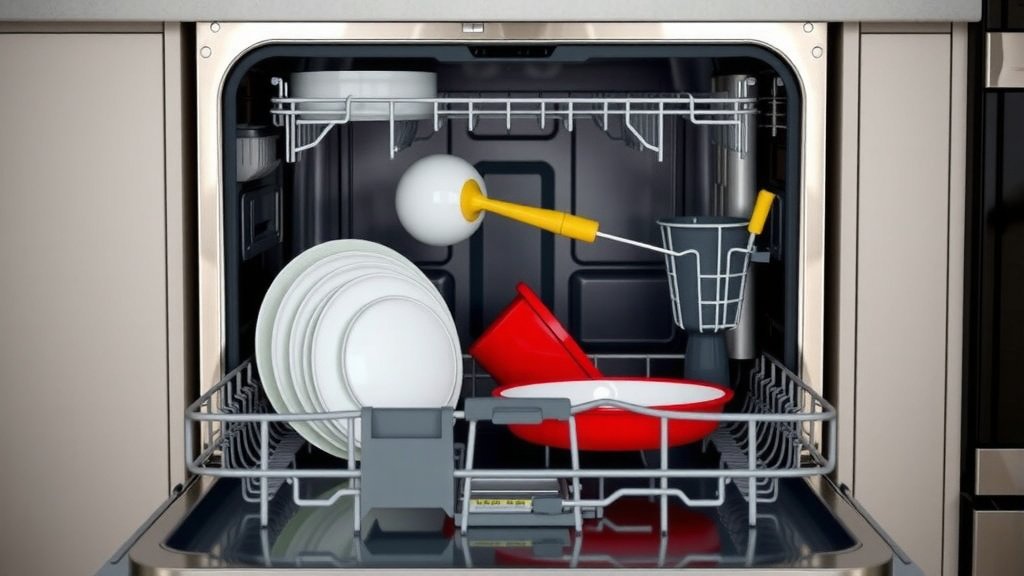
A light load means filling the dishwasher about halfway or with the items you’d typically wash. You don’t need to cram it full. The goal is to have something for the water jets to spray against and for the components to interact with.
We found that even a few plates, some glasses, and a couple of utensils can do the trick. The key is that there’s enough in there to distribute the water flow and provide some resistance for the spray arms. It’s a gentle introduction.
Don’t Forget the Detergent!
You’ll also want to add a small amount of dishwasher detergent. Refer to your manual for the recommended amount. Too much can cause excessive suds, which is never fun. Too little might not be enough to help clean out those manufacturing residues.
This initial wash with detergent also helps ensure that the soap dispenser is working correctly. It’s another little check-off on your list for a smooth startup. You want to make sure every part of the cycle is functioning.
A Simple Checklist for Your Dishwasher’s Debut
Ready to get that new dishwasher running? Here’s a quick checklist to make sure you’re doing it right:
- Locate your user manual. Read the “first use” section carefully.
- Load the dishwasher with a light load of dishes – about half full is fine.
- Add the recommended amount of dishwasher detergent.
- Run a normal cycle as you would for everyday use.
- Observe the cycle if possible, checking for unusual noises or leaks.
- Check for proper drainage after the cycle completes.
Following these steps helps ensure your dishwasher starts its working life on the right foot. It’s about setting your appliance up for optimal performance and longevity.
Conclusion
So, the short answer is clear: avoid running your new dishwasher empty for its first cycle. We found that this initial run is key for your appliance’s long-term health. It helps distribute manufacturing residues, properly seat internal components, and prevents potential damage to vital parts like the heating element. Think of it as a gentle breaking-in period. Your best bet is to load it with a light set of dishes and the recommended detergent. Make sure you always consult your user manual for any specific advice tailored to your model. Getting this first cycle right sets your dishwasher up for years of efficient cleaning.
Frequently Asked Questions
What if I accidentally ran my new dishwasher empty?
Don’t panic! If you’ve already run your dishwasher empty once, it’s likely okay. However, try to avoid doing it again. For its next cycle, load it with dishes as recommended to ensure it operates as intended and to help mitigate any minor stresses from the empty run.
Can I use a dishwasher cleaning tablet for the first run?
Generally, no. Cleaning tablets are meant for deep cleaning an already-used dishwasher. For the first run, stick to a light load of dishes and a standard dishwasher detergent. This is to ensure the machine’s basic functions are engaged properly with normal use.
Is it okay to run an empty dishwasher if it’s just to rinse something out?
It’s best to avoid running it completely empty, even for a rinse. If you need to rinse dishes, place a few items inside. This ensures there’s water to protect the heating element and that components engage correctly, much like a light load.
My manual says to run an empty cycle for cleaning. Should I follow that?
Always prioritize your specific user manual’s instructions. While the general advice is to run with dishes, some manufacturers might have a specific reason for recommending an empty cycle for their model. If your manual explicitly states to run it empty first, then follow that guidance.
What constitutes a “light load” for the first cycle?
A light load means filling the dishwasher about half to two-thirds full. You don’t need to pack it tightly. The goal is to have enough dishes for the water spray to hit and for internal parts to interact with a load, simulating normal operation without being overloaded.