
Keep Your Dishwasher Smelling Fresh: Easy Tips
Keeping your dishwasher smelling fresh is simpler than you think. A quick clean using vinegar and baking soda can eliminate unpleasant odors. You’ll want to regularly remove food debris from the filter and clean the spray arms. Doing these simple things helps prevent that mildew smell from taking hold.
A musty dishwasher isn’t just unpleasant; it can signal deeper issues. Lingering food particles and mineral buildup are common culprits. Regular maintenance ensures your machine runs efficiently and your dishes come out sparkling clean, not smelling like a science experiment gone wrong. We’ve found that consistent, simple steps make all the difference in keeping your appliance odor-free.
TL;DR:
- Clean the filter regularly.
- Use vinegar and baking soda for a deep clean.
- Check and clean spray arms.
- Wipe down the door seal.
- Run an empty hot cycle periodically.
Ready to banish those bad smells? Let’s walk through exactly how to keep your dishwasher smelling like a spring breeze, not a forgotten gym bag.
Keeping Your Dishwasher Smelling Its Best
A fresh-smelling dishwasher is a happy dishwasher. And a happy dishwasher means sparkling dishes for you. You might notice a faint odor after a cycle, or maybe it’s a bit more… persistent. Don’t worry, we’ve got you covered. Regular cleaning and a few smart habits can keep those unpleasant smells at bay.
Why does this happen? It’s usually a combination of things. Food bits love to hide. Water minerals build up. And sometimes, moisture creates a perfect breeding ground for mildew. Let’s tackle these issues head-on and restore that clean appliance smell.
The Filter: Your Dishwasher’s First Line of Defense
Think of your dishwasher’s filter like the drain in your sink. If it gets clogged, water doesn’t drain properly. And guess what happens then? Stagnant water and trapped food particles start to smell. Cleaning this is probably the single most impactful thing you can do. A musty dishwasher isn’t just unpleasant; it can signal deeper issues like clogged filters.
Locating and Removing the Filter
Most dishwasher filters are located at the bottom of the machine. You’ll usually find them under the lower spray arm. Often, they twist out. Check your owner’s manual if you’re unsure. Some have a mesh screen, while others are a two-part system.
How to Clean the Filter
Once removed, take the filter to your sink. Use a soft brush (an old toothbrush works great!) and some warm, soapy water. Gently scrub away any food debris, grease, or gunk. Rinse it thoroughly. For really stubborn buildup, you can use a diluted vinegar solution.
Many sources recommend doing this weekly, or at least every other week. If you run your dishwasher daily, aim for weekly. If it’s less frequent, bi-weekly might be enough. You’ll know it’s time if you see visible food particles or notice a slight odor after cycles.
Reinserting the Filter
Make sure it’s completely dry before putting it back. This prevents new moisture buildup. Reinsert it securely. A properly seated filter is essential for your dishwasher to run efficiently and quietly.
The Power Duo: Vinegar and Baking Soda for Deep Cleaning
Vinegar and baking soda are household cleaning superheroes. They tackle grease, grime, and odors like pros. Using them together can give your dishwasher a much-needed deep clean.
Vinegar Cycle: The Odor Neutralizer
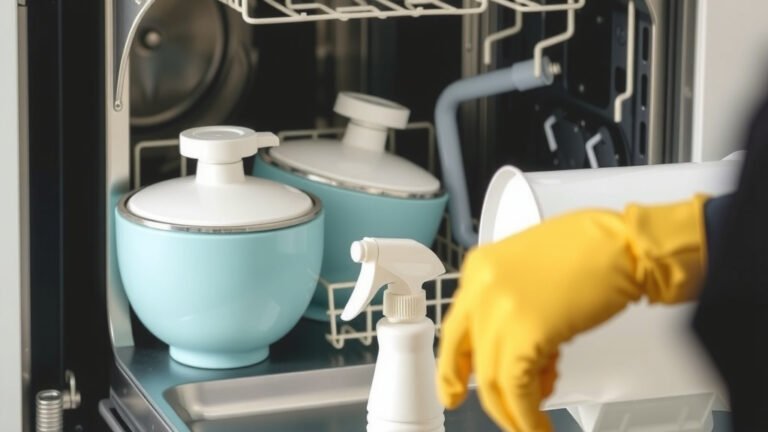
Vinegar is acidic, which helps break down mineral deposits and kill odor-causing bacteria. Place about 1 cup of white vinegar in a dishwasher-safe bowl or cup. Put it on the top rack of your empty dishwasher. Run a full hot water cycle. The vinegar will circulate, cleaning the interior and neutralizing smells.
Many cleaning experts suggest this method monthly. It’s a simple way to keep the internal components clean and free from that funky smell. Don’t worry; the vinegar smell dissipates quickly. Your dishes won’t taste like salad dressing.
Baking Soda Scrub: The Deodorizer and Scrubber
Baking soda is a fantastic natural deodorizer and a gentle abrasive. After the vinegar cycle, sprinkle about 1 cup of baking soda across the bottom of your empty dishwasher. Run a short, hot water cycle. This will help remove any lingering stains and absorb any remaining odors.
This baking soda boost can also be done monthly, or whenever you feel the need for extra freshness. Together, these two cleaning powerhouses leave your dishwasher smelling remarkably clean. It’s like a spa day for your appliance!
Don’t Forget the Nooks and Crannies: Spray Arms and Seals
Where else can gunk hide? The spray arms and the door seal are prime suspects for harboring smells and preventing proper cleaning.
Cleaning the Spray Arms
Your dishwasher’s spray arms have little holes that shoot out water. If these holes get clogged with mineral deposits or food particles, the water won’t spray effectively. This means your dishes might not get clean, and trapped moisture can lead to smells.
You might be able to remove your spray arms for easier cleaning. Check your manual. If so, rinse them under hot water. Use a toothpick or a small, stiff wire to poke out any debris from the holes. If they’re not removable, use a damp cloth and a toothpick to clean the holes as best you can while they’re attached.
Wiping Down the Door Seal
The rubber seal around your dishwasher door is a magnet for food bits, grime, and mildew. This is especially true for the bottom edge where water tends to collect. Regularly wipe this seal down with a damp cloth. For tougher spots, use a soft brush dipped in a diluted vinegar or mild dish soap solution.
We recommend giving the seal a good wipe-down every few weeks. It only takes a minute but makes a big difference in preventing that musty smell. You’ll be surprised what you find hiding there!
Preventative Measures for Lasting Freshness
Keeping your dishwasher smelling fresh isn’t just about cleaning; it’s also about smart habits during use.
Scrape, Don’t Rinse (Usually!)
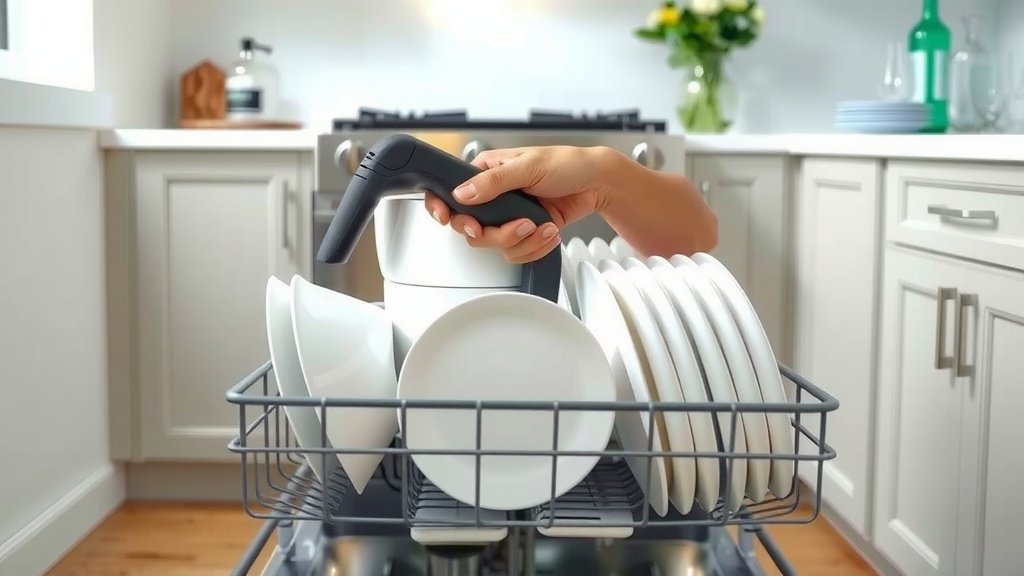
Modern dishwashers are designed to handle small food particles. Most manufacturers recommend scraping large food chunks off plates before loading, but extensive pre-rinsing isn’t usually necessary. In fact, a little bit of food residue can actually help the detergent bind and clean better. Too much rinsing can waste water and reduce cleaning efficiency.
However, if you have very sticky or greasy residue, a quick rinse might be helpful. The key is balance. You don’t want large chunks clogging the filter.
Run Hot Cycles Regularly
Running your dishwasher on a high-heat or sanitize cycle periodically helps kill bacteria and melt away grease buildup. If your machine has a “heavy” or “pots and pans” setting, use that occasionally. A longer, hotter cycle is better for deep cleaning and deodorizing.
Aim to run a hot cycle at least once a month, even if it’s an empty load. This helps flush out any accumulated gunk and keeps the internal parts working efficiently. It’s a great way to maintain that fresh appliance scent.
Leave the Door Ajar After Cycles
After the dishwasher finishes its cycle, leave the door slightly ajar. This allows moisture to escape and air to circulate. Trapped moisture is a major contributor to mildew and that dreaded musty smell. Just cracking the door open for an hour or two can make a big difference.
This simple step helps dry out the interior. It prevents that humid environment where mold and bacteria love to grow. It’s an easy habit that pays off in freshness.
Dishwasher Freshness Checklist
Want a quick way to remember? Here’s a handy checklist:
- Weekly: Check and clean the filter.
- Bi-Weekly: Wipe down the door seal.
- Monthly: Run a vinegar hot cycle.
- Monthly: Run a baking soda hot cycle.
- As Needed: Clean spray arm holes.
- After Every Use: Scrape large food bits.
Conclusion
You’ve got this! Keeping your dishwasher smelling fresh is totally achievable with a little consistent care. By regularly cleaning your filter, tackling grime with vinegar and baking soda, and paying attention to the spray arms and door seals, you can banish bad odors for good. Don’t forget those simple habits like scraping, running hot cycles, and leaving the door ajar. Your reward? Sparkling clean dishes and a kitchen that smells simply delightful. Start with your filter today – it’s the easiest win!
Frequently Asked Questions
How often should I really clean my dishwasher filter?
We found that cleaning your dishwasher filter at least weekly is best, especially if you run it daily. If your dishwasher runs less often, bi-weekly might suffice. You’ll notice it needs attention if you see visible food particles or a slight odor after cycles.
Can I use bleach to clean my dishwasher?
While bleach can sanitize, we don’t recommend it for regular dishwasher cleaning. The harsh chemicals can damage your dishwasher’s components over time. Vinegar and baking soda are effective, safer alternatives for tackling odors and buildup. While bleach can sanitize, we don’t recommend it for regular dishwasher cleaning.
My dishwasher still smells even after cleaning. What else could it be?
If smells persist after regular cleaning, check for hidden mold or mildew in less obvious places like the drain hose or vent. You might also have hard water buildup that requires a specialized descaler. Running a very hot, empty cycle can sometimes help flush things out.
How do I prevent smelly dishes if I don’t pre-rinse?
Modern dishwashers are designed to clean efficiently without extensive pre-rinsing. Just scrape off any large food chunks that could clog the filter. Letting a little residue remain can actually help the detergent work better to get your dishes truly clean and odor-free.
Is it okay to leave my dishwasher door open after a cycle?
Yes, absolutely! We found that leaving the dishwasher door slightly ajar after a cycle finishes is a fantastic habit. It allows moisture to escape and air to circulate, which greatly helps prevent that musty smell from developing.