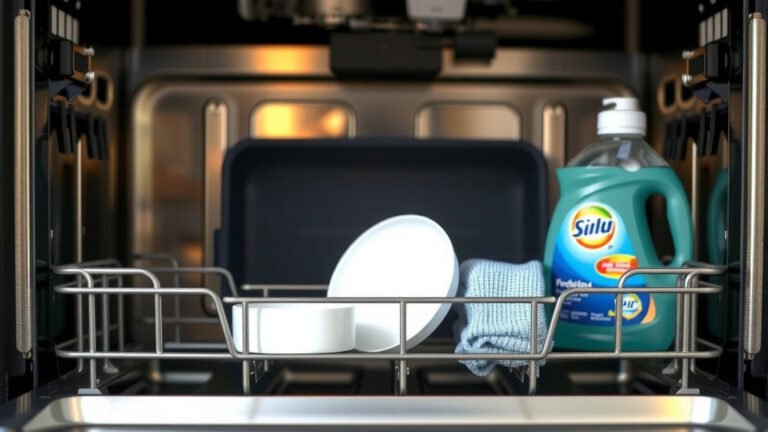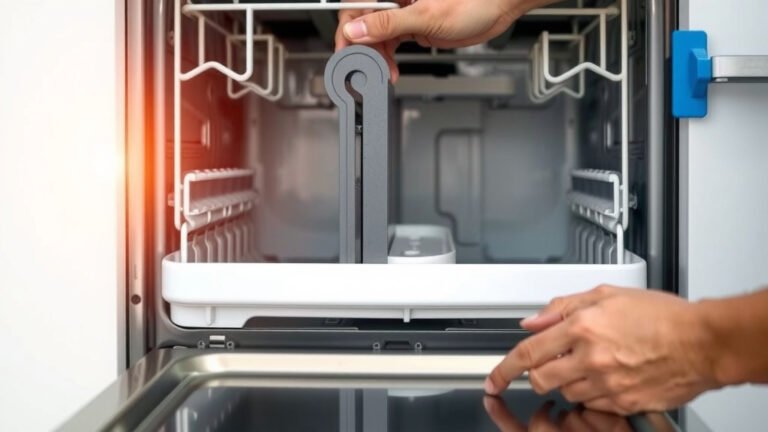
Does Rinse Aid Expire? What You Need to Know
Yes, rinse aid can expire, though it doesn’t spoil like food. Over time, its effectiveness diminishes, especially if stored improperly. You might notice spots on your dishes if you’re using an older, degraded rinse aid.
When rinse aid goes bad, its chemical compounds break down. This means it can’t do its job of reducing water surface tension as well. Your dishwasher’s drying cycle relies on this function to help water sheet off, preventing those stubborn water spots and streaks.
- Rinse aid doesn’t spoil but loses effectiveness.
- Age and storage conditions affect its quality.
- Expired rinse aid leads to spots and streaks.
- Look for an expiration date or a “best by” marker.
Let’s dive into exactly what happens when rinse aid ages and how you can tell if yours has passed its prime.
“`htmlUnderstanding Rinse Aid Shelf Life
So, does rinse aid expire? The short answer is yes, it absolutely can. While it won’t turn into a science experiment in your cupboard, its effectiveness does fade over time. Think of it like an old battery; it might still have some juice, but it won’t power your device as strongly.
The main purpose of rinse aid is to reduce the surface tension of water. This helps water sheet off your dishes instead of forming tiny droplets. These droplets are what cause those annoying water spots and streaks, especially on glassware. When rinse aid degrades, it can’t do this job as well anymore. You’ll start to see a difference in how clean and spot-free your dishes come out. When rinse aid degrades, it can’t do this job as well anymore; learn more about running a dishwasher without rinse aid.
Why Does Rinse Aid Degrade?
Rinse aid is essentially a mixture of surfactants and weak acids. Over time, these chemical components can break down. This breakdown is often due to exposure to air, temperature fluctuations, and simply the passage of time. It’s a natural process, much like how milk eventually spoils or bread goes stale.
Heat is a particular enemy of rinse aid. Storing your bottles in a hot garage or a sunny window can speed up this degradation process considerably. Even the cap not being sealed tightly can allow air in, which isn’t ideal for its longevity.
The Science Behind the Breakdown
The surfactants in rinse aid are molecules that help lower water’s surface tension. When they degrade, their structure changes. They become less effective at encouraging water to flow smoothly off surfaces. The weak acids help to prevent mineral deposits from drying onto your dishes. If these acids weaken, you might notice more cloudiness or film, especially if you have hard water.
How Long Does Rinse Aid Last?
Generally, an unopened bottle of rinse aid can last for about two years. Once you’ve opened it and started using it, it’s best to use it up within That’s where rinse aid comes in, playing a significant role in how well your dishes dry; learn how dishwashers dry dishes.six to twelve months. This timeframe can vary depending on the brand and how you store it.
Some manufacturers will put a “best by” date or an expiration date on the bottle. Always check for this. If you can’t find one, a good rule of thumb is to assume it’s good for about a year after you buy it, maybe less if you’ve had it for a while.
Factors Affecting Shelf Life
Several factors can influence how long your rinse aid stays effective. The quality of the ingredients used by the manufacturer plays a role. More importantly, storage conditions are critical. Keeping the bottle in a cool, dry place, away from direct sunlight, will help it last longer. Extreme temperatures, whether hot or cold, can accelerate the breakdown of the active ingredients.
Signs Your Rinse Aid Might Be Expired
You don’t always need to find an expiration date to know if your rinse aid has seen better days. Your dishes can tell you a story! If you’ve recently started using a bottle that’s been sitting around for a while, and you’re noticing a change in your dishwashing results, it’s a strong indicator.
Visible Water Spots and Streaks
This is the most common and frustrating sign. You open your dishwasher, expecting sparkling clean dishes, but instead, you find cloudy glassware and streaks on your plates. This happens because the degraded rinse aid isn’t helping the water to sheet off properly. Those little water droplets are clinging to your dishes and leaving behind mineral deposits as they dry.
Dull or Cloudy Dishes
Another tell-tale sign is dishes that come out looking dull, especially glass items. Instead of a clear, reflective shine, you might see a hazy film. This can be due to the rinse aid’s inability to prevent those tiny water droplets from drying and leaving residue behind. You might even notice a sort of greasy feel on some items.
Inconsistent Drying
Your dishwasher’s drying cycle relies heavily on rinse aid. When it’s not working effectively, you might notice that some dishes are still wet, even after a full drying cycle. This is because the water isn’t sheeting off properly, and the drying elements or heat are struggling to evaporate those clinging droplets.
What to Do with Old Rinse Aid
If you suspect your rinse aid has gone bad, the best course of action is to replace it. Using expired rinse aid is not only ineffective but can also be a waste of energy and water if your dishwasher has to run extra cycles or if your dishes aren’t getting clean.
You might wonder if there are any other uses for it. Generally, it’s not recommended. While some DIY cleaning hacks might suggest using it for other purposes, its effectiveness is questionable, and the chemicals might not be suitable for all surfaces. Sticking to its intended use in your dishwasher is the safest bet.
Checking Your Rinse Aid Bottle
Take a moment to examine the bottle you’re currently using. Look for:
- A printed expiration date or “best by” date.
- The date of purchase if you keep your receipts or noted it down.
- Any physical changes in the liquid, like cloudiness or separation (though this is rare).
Making a Purchase Decision
If your rinse aid is over a year old and you’ve opened it, or if it’s past its printed expiration date, it’s time to buy a new bottle. Consider buying smaller bottles if you don’t use rinse aid very quickly. This way, you’re more likely to use it up before it loses its effectiveness.
Proper Storage for Longevity
To help your new rinse aid last as long as possible, store it properly. Keep it in a cool, dry place, away from direct sunlight and extreme temperatures. Ensure the cap is screwed on tightly after each use. This simple practice can make a difference in its shelf life and effectiveness.
“`Conclusion
So, you’ve learned that rinse aid doesn’t last forever. While it won’t spoil like food, its effectiveness can certainly decrease over time. This means those annoying spots and streaks on your dishes are a strong sign your rinse aid might be past its prime. Storing it properly in a cool, dry place is key to maximizing its lifespan. If you’re noticing less-than-perfect dishwashing results, it’s likely time to grab a fresh bottle. Your dishes will thank you for it!
Frequently Asked Questions
Can I still use rinse aid if it’s past the expiration date?
You can technically still use rinse aid past its expiration date, but its performance will be significantly reduced. You’ll likely start seeing those unwanted water spots and streaks return to your dishes. It’s best to replace it for optimal cleaning results.
What’s the best way to store rinse aid to make it last longer?
To keep your rinse aid effective for as long as possible, store the bottle in a cool, dry environment. Avoid places with extreme temperature fluctuations, like a hot garage or direct sunlight. Always ensure the cap is sealed tightly after each use to prevent air exposure.
How can I tell if my rinse aid has gone bad without checking the date?
The most common sign is seeing an increase in water spots, streaks, or a dull film on your dishes, especially glassware. If your dishwasher isn’t drying as effectively as it used to, and you haven’t changed your detergent, it could be your rinse aid.
Does the type of rinse aid affect its shelf life?
While most rinse aids have a similar shelf life, some premium or specialized formulas might have slightly different recommendations from the manufacturer. Always check the bottle for specific storage advice or “best by” dates. Generally, standard rinse aids last about two years unopened.
Is it wasteful to throw out old rinse aid?
It’s not ideal to waste any product, but using ineffective rinse aid can lead to re-washing dishes, which wastes more water, energy, and detergent. If your rinse aid has clearly degraded and is no longer performing its job, replacing it is the most practical solution for clean dishes.