
Dishwasher Rough Opening Size: What You Need to Know
When installing a new dishwasher, knowing the dishwasher rough opening size is key. Most standard dishwashers need an opening that is at least 34 inches tall, 24 inches wide, and 24 inches deep. This ensures your appliance fits snugly without any frustrating last-minute adjustments. Always double-check your specific model’s requirements.
Getting your dimensions right upfront saves you a lot of headaches. We found that a consistent opening size prevents installation snags and potential damage to your new machine. It’s not just about fitting it in; it’s about ensuring proper ventilation and easy access for plumbing and electrical connections. Planning for the correct cabinet space is vital.
- Standard dishwashers need about 34 inches height.
- Width should be around 24 inches.
- Depth is also typically 24 inches.
- Always check your specific dishwasher model’s manual.
Let’s dive into the exact measurements and what you need to consider for a smooth dishwasher installation. We’ll cover everything from standard sizes to potential hiccups.
Getting Your Cabinet Ready for a New Dishwasher
You’re ready for a dishwasher upgrade! That’s exciting. Before you get too far, let’s talk about the space where it will live. This cabinet opening, often called the “rough opening,” needs to be just right. Getting these dimensions correct upfront is your secret weapon for a smooth installation. We found that many people overlook this step, leading to unexpected problems. It’s not just about fitting the appliance in; it’s about making sure it functions perfectly.
Standard Dishwasher Rough Opening Dimensions
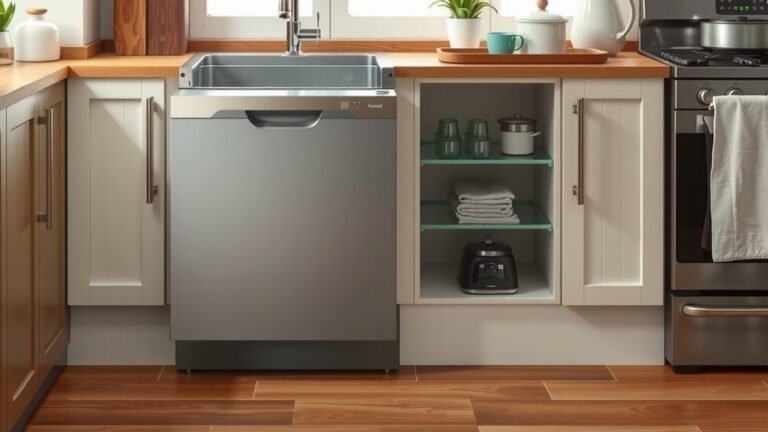
Most dishwashers are designed to fit into a standard opening. This makes shopping for a replacement much easier. You’ll typically need an opening that measures 34 inches in height. The width should be around 24 inches. And don’t forget the depth – 24 inches is usually the magic number there, too. These are general guidelines, of course. Always check your specific model’s manual. We learned that a few inches can make a big difference.
Height: The Vertical Space
For the height, 34 inches is the most common requirement. This measurement is from the bare cabinet floor to the underside of your countertop. Sometimes, you might find dishwashers that are slightly shorter, often called “apartment-sized” or 18-inch models. These will have different height needs, usually around 32 inches. However, if you’re replacing a standard dishwasher, If your opening is slightly smaller, consider if a tall tub dishwasher might offer more capacity.34 inches is your target. We found that installing a dishwasher in an opening that’s too short can be a real pain. You might need to adjust your flooring or even modify the cabinet itself.
Width: Side-to-Side Space
The standard width for a dishwasher is 24 inches. This ensures the appliance fits comfortably between your cabinets. Some narrower models exist, but they are less common. When measuring, make sure you are looking at the clear opening width. You’ll want to account for any obstructions on the sides. We noticed that cabinets that are too narrow can cause the dishwasher to stick out. This can look unsightly and even prevent your cabinet doors from opening fully.
Depth: Front-to-Back Room
A 24-inch depth is generally sufficient for most dishwashers. This measurement typically goes from the front edge of your cabinet opening to the back wall. However, you need to consider more than just the dishwasher’s body. You’ll need extra space for plumbing connections, electrical wiring, and potentially a dishwasher air gap. Many experts recommend having at least 25 inches of clear depth. This gives your installer a little breathing room. We found that a tight depth can make connecting the water supply and drain hose difficult.
| Dimension | Standard Size | Considerations |
|---|---|---|
| Height | 34 inches | Measure from floor to underside of countertop. Account for potential flooring variations. |
| Width | 24 inches | Measure the clear opening between cabinets. Ensure no obstructions. |
| Depth | 24-25 inches | Measure from cabinet front to back wall. Allow extra space for connections. |
Measuring Your Existing Space: A Step-by-Step Guide
Before you head to the store or order online, grab your tape measure! Accurate measurements are your best friend here. Don’t rely on guesswork or old notes. Let’s walk through how to measure your current rough opening. This will tell you if your space is ready for a new dishwasher. We found that a little precision now saves a lot of frustration later.
Step 1: Measure the Height
Start by measuring the vertical space. Place your tape measure on the cabinet floor. Extend it straight up to the underside of the countertop. You want the total clear height. If you have existing flooring, measure from the top of that flooring to the countertop. Write this number down. Many guidelines suggest a minimum of 34 inches for standard models (CDC appliance installation standards). If your opening is slightly smaller, don’t panic just yet. We’ll discuss adjustments later.
Step 2: Measure the Width
Next, tackle the width. Measure from one cabinet side wall to the other. Make sure your tape measure is level and straight. You’re looking for the widest point of the opening. If there’s an old dishwasher there, try to measure the space it leaves behind. Remember that some dishwasher panels might slightly exceed the 24-inch width, but the appliance itself needs that 24-inch rough opening. We found that measuring at both the top and bottom of the opening is a good idea, just in case there’s any variation.
Step 3: Measure the Depth
Finally, let’s measure the depth. Place your tape measure at the front edge of the cabinet opening. Extend it straight back towards the wall. This measurement tells you how much room you have from front to back. Many experts recommend at least 24 to 25 inches for the rough opening (National Kitchen & Bath Association standards). This accounts for the dishwasher’s depth plus necessary clearance for plumbing and electrical hookups. We learned that it’s wise to measure the depth in a few spots to ensure consistency.
When Your Opening Isn’t Standard
What if your measurements don’t quite match the standard 34x24x24 inches? It happens more often than you might think! Don’t worry; there are usually solutions. The key is to identify exactly *how* your opening differs from the norm. We found that understanding the specific issue helps determine the best fix.
Too Small: The Tight Squeeze
If your rough opening is too narrow or too short, you have a few options. For minor height issues, you might be able to adjust the dishwasher’s leveling legs. However, if it’s significantly short, you might need to install a small riser or shim beneath the dishwasher. For width problems, you might need to trim back the adjoining cabinet. This is a job best left to a professional carpenter. We strongly advise against trying to force a dishwasher into a space that’s too small. It can damage the appliance and your cabinets.
Too Large: Filling the Gap
A larger opening is generally easier to deal with than a smaller one. You can use shims or custom-cut wood pieces to fill in the extra space. These can be secured to the sides of the dishwasher or the cabinet frame. Some people also opt for filler panels that match their cabinetry. The goal is to create a snug fit and prevent the dishwasher from shifting. We found that ensuring these fillers are securely attached is important for stability.

Don’t Forget About Utilities!
Your rough opening needs more than just the right dimensions. You need to ensure there’s easy access for the dishwasher’s essential utilities. This includes the water supply line, the drain hose, and the electrical connection. Typically, these are located in the cabinet to the left or right of the rough opening, or sometimes directly behind it. Your plumber and electrician will need clear paths to run these connections. We found that planning for these hookups during the rough opening phase prevents tricky rerouting later.
A Quick Checklist for Your Rough Opening
Ready to make sure your space is perfect? Here’s a quick rundown to double-check:
- Measure Height: Is it at least 34 inches from floor to countertop?
- Measure Width: Is the clear opening 24 inches wide?
- Measure Depth: Do you have at least 24-25 inches of space?
- Check for Obstructions: Are there any pipes, wires, or framing blocking the space?
- Utility Access: Can the water, drain, and electrical lines reach the intended spot easily?
- Model Specs: Have you double-checked the exact rough opening requirements for your chosen dishwasher model?
Conclusion
You’re now equipped with the essential knowledge to prepare your cabinet opening for a new dishwasher. We’ve covered the standard dimensions and how to accurately measure your space. Remember, precise measurements are key to avoiding installation headaches and ensuring your appliance functions perfectly. If your opening isn’t standard, we’ve shown you that solutions are often available. Your next step is simple: grab your tape measure and confirm your space meets the requirements. Then, you can confidently select and purchase your new dishwasher, knowing it will fit like a dream.
Frequently Asked Questions
What if my cabinet opening is slightly less than 34 inches tall?
If your opening is just a little short, you might be able to use the dishwasher’s adjustable leveling legs to gain a small amount of height. For larger discrepancies, consider installing a sturdy riser or shims beneath the unit. Always ensure the dishwasher is level and stable after adjustments.
Can I install a standard 24-inch dishwasher in an opening that’s only 23 inches wide?
We strongly advise against this. A 24-inch rough opening is critical for proper installation and ventilation. Forcing a unit into a space that’s too narrow can damage the dishwasher, your cabinets, and potentially create a safety hazard. It’s best to explore narrower dishwasher models or adjust your cabinet space professionally.
Do I need to account for the dishwasher’s feet in my depth measurement?
Yes, you absolutely should. While the 24-25 inch depth requirement accounts for the appliance and connections, the leveling feet are part of the unit’s overall footprint. Ensure the depth measurement from the front of the cabinet to the back wall comfortably accommodates the entire dishwasher, including its adjustable feet, and any necessary plumbing.
What are the risks of having an opening that’s too deep?
An opening that is too deep generally presents fewer problems than one that is too shallow. You can use shims or filler panels to secure the dishwasher properly and prevent it from shifting forward. The main concern is ensuring the dishwasher is pulled out to the correct depth so its door can open and close without obstruction and its control panel is accessible.
Should I measure the rough opening before or after new flooring is installed?
It’s best to measure your rough opening after any new flooring is installed. The height measurement, in particular, should be taken from the finished floor surface to the underside of the countertop. This ensures you have the correct vertical clearance for your dishwasher based on its final installed height.