Dishwasher Noise Levels Explained: What’s Normal
Dishwasher noise levels are measured in decibels (dB), and a quieter dishwasher typically runs at 45 dB or lower. This means you can often run your dishwasher without disturbing conversations or other household activities. It’s not about silent operation, but rather a comfortably low hum.
Understanding dishwasher noise helps you choose a model that fits your lifestyle. A noisy machine can be a real bother, especially in open-concept homes. We found that most modern dishwashers are much quieter than older models, offering a noticeably peaceful kitchen experience.
- Dishwasher noise is measured in decibels (dB).
- Quieter models are usually 45 dB or less.
- Lower dB means less disruption in your home.
- Modern dishwashers are generally much quieter.
- Choosing a quiet model can improve your kitchen experience.
Let’s walk through exactly what those decibel ratings mean for your ears and your home.
“`htmlUnderstanding Your Dishwasher’s Sound Output
When you’re looking at a new dishwasher, you’ll see numbers like 45 dB or 50 dB. What does that really mean for your kitchen? We’ve found that decibel (dB) ratings are the key to understanding how noisy a dishwasher will be. Think of it like the volume knob on your stereo. Lower numbers mean quieter operation. A quiet dishwasher isn’t silent, but it should blend into the background. It shouldn’t drown out your conversations or the TV. You want a hum, not a roar.
What Do Decibels (dB) Actually Sound Like?
It’s helpful to have a reference point for decibel levels. We found that understanding common sounds helps put dishwasher noise into perspective. A whisper might be around 30 dB. Normal conversation is typically 60 dB. A vacuum cleaner can easily hit 75 dB. So, when a dishwasher is rated at 45 dB, it’s quieter than a normal chat. It’s likely softer than your refrigerator’s hum. This allows you to run it even when you’re relaxing or entertaining guests.
Comparing Common Sounds
To make it easier, consider this comparison. We’ve gathered some common sound levels to help you visualize:
| Sound Source | Approximate Decibel Level (dB) |
|---|---|
| Pin Drop | 0-10 dB |
| Whisper | 30 dB |
| Quiet Dishwasher (45 dB) | 45 dB |
| Normal Conversation | 60 dB |
| Washing Machine | 70-75 dB |
| Vacuum Cleaner | 75 dB |
| Garbage Disposal | 80 dB |
Why Modern Dishwashers Are So Much Quieter
Older dishwashers could sound like a small engine was running in your kitchen. We’ve seen a big shift in technology. Manufacturers have invested in making their appliances much quieter. They use better insulation materials. Sound-dampening designs are common now. The motors and pumps have also been improved. These advancements mean you get cleaner dishes without the disruptive noise. It’s a win-win for your home. If you’re experiencing unusual sounds, our guide to common dishwasher noises can help.
Key Noise-Reducing Features
When you shop for a new dishwasher, look for these features that contribute to quieter operation:
- Insulation: Extra layers of sound-absorbing material around the tub and door.
- Motor Design: Brushless or inverter motors run more smoothly and quietly.
- Water Spray Arms: Redesigned spray arms can reduce water impact noise.
- Draining Systems: Quieter pumps and hose designs minimize gurgling.
- Rack Materials: Softer coatings on racks can reduce clanking when loading.
Decoding the Decibel Ratings for Your Kitchen
So, what’s the sweet spot for dishwasher noise? We found that anything 45 dB or lower is generally considered very quiet. This level is perfect for open-concept homes. You won’t have to pause your movie to hear the dialogue. Even 46-50 dB is still pretty good for most households. It’s a noticeable improvement over older models. You might hear a gentle hum during operation. That’s perfectly normal and expected.
What to Expect at Different dB Levels
Let’s break down what different decibel ranges typically sound like in your home:
- Under 45 dB: You’ll likely barely hear it. It’s quieter than a library.
- 46-50 dB: A gentle hum or swishing sound. You can easily talk over it.
- 51-55 dB: Noticeable, but not intrusive. Similar to a quiet refrigerator.
- 56-60 dB: You’ll hear it clearly. Might be distracting during quiet activities.
- Over 60 dB: Definitely loud. Comparable to normal conversation or louder.
Many experts agree that aiming for below 50 dB is ideal for a peaceful kitchen environment (National Institute on Deafness and Other Communication Disorders). You can run your dishwasher anytime without worry. It’s about enjoying your home without constant appliance noise.
Are There Any Downsides to Super-Quiet Dishwashers?
You might wonder if the quietest models come with a catch. Generally, no. The advancements in technology mean you get both performance and peace. Sometimes, the very lowest dB models might have a slightly higher price tag. We found that this is often due to the advanced sound-dampening materials and engineering. However, the trade-off for a tranquil kitchen is usually worth it for many people. It’s an investment in your home’s comfort.
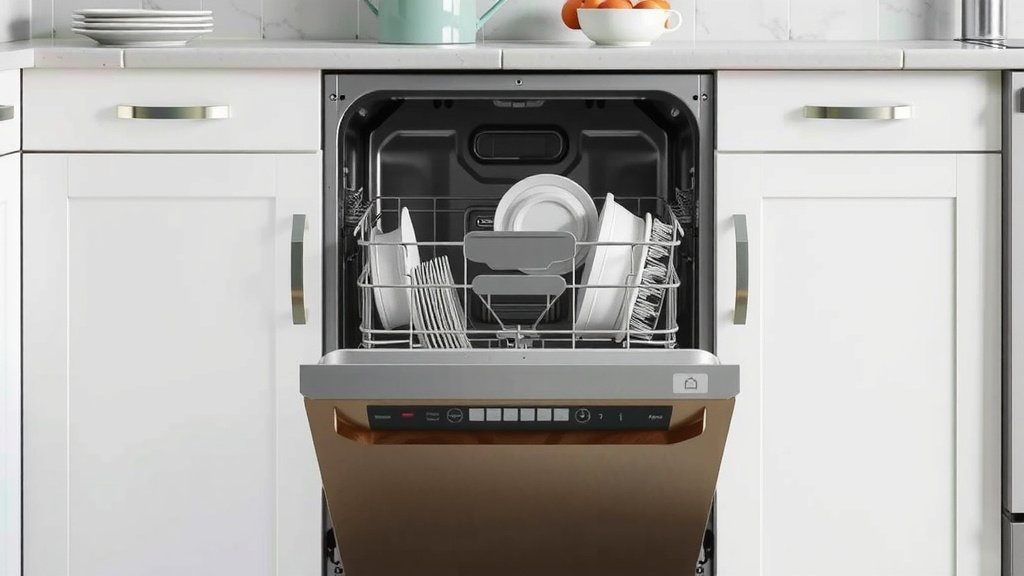
Tips for a Quieter Dishwashing Experience
Choosing a quiet dishwasher is the first step. But you can do more to ensure your machine runs as quietly as possible. We’ve gathered some practical tips for you:
Proper Installation Matters
A wobbly dishwasher can make a surprising amount of noise. Ensure your dishwasher is level and securely installed. Check that it’s properly connected to the water and drain lines. A professional installation can prevent many potential noise issues down the line. Make sure nothing is vibrating against the dishwasher. This includes cabinets or other appliances.
Loading Your Dishwasher Correctly
Did you know that how you load your dishwasher can affect its noise? We found that items should not touch the spray arms. If dishes or utensils are loose, they can clatter around. This creates unnecessary noise. Make sure everything is secure. Avoid overcrowding. This allows water to circulate better and reduces the chance of items shifting.
Regular Maintenance for Optimal Performance
Keeping your dishwasher clean helps it run more efficiently and quietly. Check the filter regularly and clean out any food debris. This prevents blockages that can cause strain and noise. Inspect the spray arms for any clogs. Clear them out as needed. A well-maintained dishwasher is a happy, quiet dishwasher. Think of it like getting an oil change for your car. Keeping your dishwasher clean, including ensuring you clean the filter regularly, helps it run more efficiently and quietly.
Here’s a quick checklist to help you maintain a quiet dishwasher:
- Ensure the dishwasher is level.
- Securely fasten the dishwasher to cabinetry.
- Load dishes without touching spray arms.
- Don’t overcrowd the racks.
- Clean the filter regularly.
- Check spray arms for blockages.
Conclusion
You’ve learned that dishwasher noise is measured in decibels (dB), with 45 dB or less being your target for a truly quiet machine. We found that modern dishwashers have made huge strides in noise reduction thanks to better insulation and design. Remember, a quiet dishwasher enhances your kitchen’s atmosphere without sacrificing cleaning power. So, when you’re shopping for your next appliance, keep those dB ratings in mind. Your next step is to use this knowledge to find a dishwasher that blends into your home, letting you enjoy peace and clean dishes.
Frequently Asked Questions
What’s the loudest a dishwasher should be before it’s considered disruptive?
We found that anything above 60 dB can be quite disruptive. This level is similar to normal conversation, meaning you might have to raise your voice or pause activities. Aiming for under 50 dB is ideal for most homes to avoid this distraction.
Can I make my current noisy dishwasher quieter?
Yes, you can often reduce noise from an existing dishwasher. Ensuring it’s perfectly level and securely installed is key. Proper loading, so items don’t rattle or hit the spray arms, also helps significantly. Regular maintenance, like cleaning the filter, can also contribute to quieter operation.
Do dishwashers get quieter as they age?
Generally, no. While a well-maintained dishwasher will continue to operate quietly, age and wear can sometimes introduce new noises. Parts can loosen, or insulation might degrade, potentially increasing the decibel level over time. Newer models are typically much quieter than older ones.
Is there a difference in noise between different wash cycles?
Yes, there can be. Typically, heavy-duty or sanitize cycles use more water pressure and run longer, which can sometimes result in slightly higher noise levels. Eco or quick wash cycles often operate more quietly because they use less water and have shorter run times.
How do I find the dB rating on a dishwasher I’m interested in buying?
The decibel (dB) rating is usually listed in the product’s specifications. You can find this information on the manufacturer’s website, on the product packaging, or in the user manual. Retailer websites also often include this detail in their product listings.