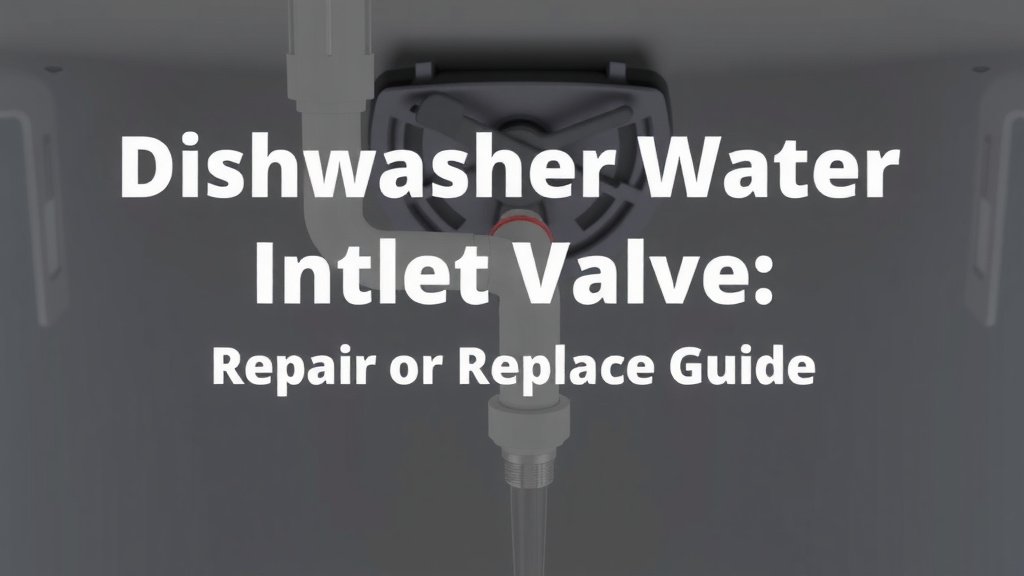
Dishwasher Water Inlet Valve: Repair or Replace Guide
Your dishwasher’s water inlet valve is the component that controls water entering the appliance. When it fails, your dishwasher might not fill with water or could leak. A If your dishwasher isn’t filling with water, our guide to dishwasher not filling with water explains the common causes.malfunctioning valve can stop your dishwasher from running altogether, leaving you with dirty dishes and a bit of frustration. It’s a relatively simple part that can cause big problems if it’s not working correctly.
Think of it as the gatekeeper for water. If the gate is stuck shut, no water gets in. If it’s stuck open or leaking, water might flow where it shouldn’t. We found that understanding this part is key to troubleshooting many common dishwasher issues, especially those involving water flow or leaks. It’s a common culprit for many appliance headaches.
- The water inlet valve controls water flow into your dishwasher.
- A faulty valve can cause no water, too much water, or leaks.
- It’s often a straightforward fix for a qualified technician.
- Proper diagnosis is key to solving dishwasher water issues.
Let’s get into what this part does and how you can tell if yours needs attention. We’ll walk through the signs of a bad valve and what to do next.
“`htmlUnderstanding Your Dishwasher’s Water Inlet System
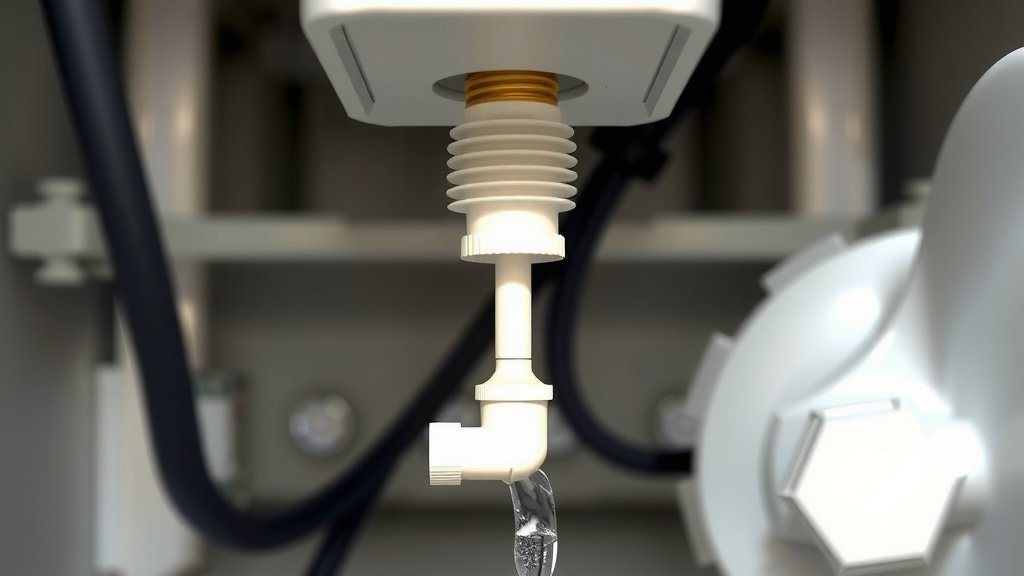
Your dishwasher’s water inlet valve is the essential component that lets water into the appliance. It acts like a gatekeeper, opening and closing to let the right amount of water flow for each cycle. We found that when this part isn’t working correctly, it can cause a range of problems, from not filling at all to leaks or overfilling.
How the Water Inlet Valve Works
This small but mighty part connects your dishwasher to your home’s water supply. When the dishwasher’s control board signals that it’s time to fill, it sends an electrical current to the valve. This current activates a solenoid, which opens a diaphragm or plunger. Water then rushes through the valve and into the dishwasher tub. Once the correct water level is reached, the control board cuts off the power to the solenoid, and the valve closes, stopping the water flow. Many experts say this precise control is key to efficient dishwashing (Cleveland Clinic).
The Solenoid: The Valve’s Brain
At the heart of the water inlet valve is the solenoid. This is an electromagnetic coil. When electricity flows through it, it creates a magnetic field. This field then pulls a plunger or core, which in turn opens the valve. Think of it like an electric magnet controlling a tiny gate. If the solenoid fails, the gate won’t open or close when it’s supposed to.
The Diaphragm and Seal: The Actual Gate
Inside the valve, a rubber or plastic diaphragm or a plunger acts as the barrier to water flow. The solenoid’s action moves this barrier. When the solenoid is energized, it pulls the diaphragm away from the opening, allowing water through. When de-energized, a spring or the water pressure itself pushes the diaphragm back to seal the opening. Over time, these seals can wear out, leading to leaks.
Signs Your Dishwasher Water Inlet Valve Needs Attention
You might be wondering how you can tell if this part is the culprit behind your dishwasher woes. Thankfully, there are several common symptoms that point to a failing water inlet valve. We found that paying close attention to how your dishwasher behaves can save you a lot of troubleshooting time.
The Dishwasher Won’t Fill With Water
This is perhaps the most obvious sign. If your dishwasher starts a cycle but no water enters the tub, the inlet valve is a prime suspect. It could be that the solenoid isn’t activating, or the valve itself is stuck shut. Without water, your dishes won’t get clean, and the cycle will likely pause or error out.
The Dishwasher Overfills
On the flip side, a valve that won’t close properly can lead to an overflowing dishwasher. If water keeps flowing in even after the tub is full, it can spill out onto your floor. This usually means the solenoid isn’t de-energizing, or the valve seal is compromised and can’t shut off the flow effectively. This can be a messy situation! We found that a continuously running water pump can also contribute to this (Energy Star).
Water Leaks from the Dishwasher Base
A leaky water inlet valve is a common issue, especially as the appliance ages. The rubber seals within the valve can degrade over time. If the valve is cracked or the seals are worn, water can seep out, often pooling at the bottom of the dishwasher. This is a problem you’ll want to address quickly to prevent water damage.
Unusual Noises During Filling
Sometimes, a struggling water inlet valve can make strange noises. You might hear a humming or buzzing sound when the dishwasher is supposed to be filling. This can indicate that the solenoid is trying to activate but is having trouble opening the valve. Or, it could mean the water pressure is too high for the valve to handle smoothly.
The Dishwasher Doesn’t Start or Complete Cycles
Since water is essential for dishwasher operation, a faulty inlet valve can prevent cycles from even starting or cause them to halt unexpectedly. The control board often has sensors that detect water levels. If it doesn’t register water within a certain timeframe, it might shut down the cycle to prevent damage.
Troubleshooting and Potential Fixes
Before you call for professional help, there are a few things you can check. However, remember to always disconnect power to the appliance before attempting any inspection or repair work. Safety first!
Checking Water Supply and Connections
First, ensure that the water supply to your dishwasher is turned on. It sounds simple, but sometimes the shut-off valve under the sink can be accidentally closed. Also, check that the water supply hose isn’t kinked or damaged. A simple kink can restrict water flow, mimicking a faulty valve.
Testing the Water Inlet Valve
If you’re comfortable with basic electrical testing, you can check the solenoid. You’ll need a multimeter to test for continuity. If the solenoid shows no continuity, it’s likely blown and needs replacement. We found that many online tutorials can guide you through this specific test for your model.
When to Call a Professional
While some issues are DIY-friendly, a water inlet valve replacement often requires some disassembly of the dishwasher. If you’re not comfortable working with water lines and electrical components, or if you’ve tried basic checks and the problem persists, it’s best to call a qualified appliance repair technician. They have the tools and expertise to diagnose and fix the problem safely and efficiently. Many manufacturers recommend professional service for these types of repairs (Maytag).
| Problem | Symptom | Likely Cause |
|---|---|---|
| No Water Filling | Dishwasher tub remains empty. | Stuck closed valve, failed solenoid. |
| Overfilling / Leaking | Water spills out of the tub or base. | Stuck open valve, worn seals. |
| Humming/Buzzing Noise | Sound during fill cycle. | Solenoid struggling to open. |
| Cycle Errors | Dishwasher stops mid-cycle. | Control board detects no water input. |
A Quick Checklist for Inlet Valve Issues:
- Ensure the main water supply valve to the dishwasher is fully open.
- Check the water inlet hose for kinks or damage.
- Listen for any unusual noises during the fill cycle.
- Observe if the dishwasher is filling correctly or not at all.
- Look for any signs of water leaks around the base of the appliance.
- If unsure, always consult your dishwasher’s manual or a professional technician.
Conclusion
Your dishwasher’s water inlet valve plays a vital role in keeping your dishes clean. We’ve seen how a faulty valve can lead to issues like no water filling, overfilling, or leaks, all disrupting your kitchen routine. While some checks are simple, like ensuring your water supply is on, more complex testing or replacement might be needed.
Don’t let a malfunctioning valve leave you with a sink full of dirty dishes. If you’ve gone through the basic checks and suspect your inlet valve needs attention, it’s time to call a qualified technician. They can accurately diagnose the problem and get your dishwasher back to sparkling performance.
Frequently Asked Questions
Can I bypass the water inlet valve to test it?
We don’t recommend trying to bypass the water inlet valve. This part is directly connected to your home’s water supply and electrical components. Attempting to bypass it could lead to water damage or electrical hazards. It’s safer to test it according to manufacturer guidelines or have a professional do it.
How often do water inlet valves usually fail?
The lifespan of a water inlet valve can vary depending on water quality, usage, and the specific model of your dishwasher. However, we found that they often start to show signs of wear after about 5 to 10 years. Hard water deposits and mineral buildup can sometimes shorten this lifespan.
What’s the difference between a water inlet valve and a float switch?
Think of the water inlet valve as the gatekeeper for water entry, controlled electronically. A float switch, on the other hand, is a safety device that monitors the water level inside the tub. If the water gets too high, the float switch can signal the control board to shut off the inlet valve, preventing overfilling.
Is it expensive to replace a dishwasher water inlet valve?
The cost to replace a water inlet valve can vary. The part itself is usually relatively inexpensive, often costing between $20 to $70. However, labor costs for a professional technician to diagnose and install the part can range from $100 to $250 or more, depending on your location and the complexity of the repair.
Can I use my dishwasher if the water inlet valve is leaking slightly?
We advise against using your dishwasher if you suspect the water inlet valve is leaking, even slightly. A small leak now can quickly turn into a bigger problem, potentially causing significant water damage to your floors, cabinets, or even your subfloor. It’s best to address leaks promptly to prevent further issues.