Find Your Dishwasher Filter: Easy Location Guide
You can find your dishwasher filter at the bottom of the dishwasher tub. It’s usually a round or cylindrical part. Locating it is key to keeping your dishwasher running smoothly and preventing foul odors. This is often the most common spot for most modern dishwashers.
Knowing where the filter is helps immensely with maintenance. A clean filter means cleaner dishes and a quieter, more efficient machine. Many people overlook this small but mighty component. We found that regular cleaning can extend your dishwasher’s life significantly.
- The filter is usually at the bottom of your dishwasher.
- It might be a round or cylindrical piece.
- Finding it is crucial for dishwasher performance.
- Cleaning it regularly keeps dishes clean and prevents smells.
- This simple maintenance step helps your appliance last longer.
Let’s walk through exactly how to find and clean your dishwasher filter so you can enjoy sparkling dishes again.
Finding Your Dishwasher’s Hidden Helper
So, you’re ready to give your dishwasher a much-needed spa day. That’s fantastic! A clean filter is like giving your machine a fresh breath of air. We know that the first step is always finding it. Most dishwashers hide their filter system in a pretty consistent spot. It’s almost always located at the very bottom of the dishwasher tub. This is where the water collects before being pumped out. You’ll typically find it beneath the lower spray arm. Think of it as the dishwasher’s little drain guard. If you have standing water, check the dishwasher drain filter.
Why is it there? Well, your dishwasher sprays dirty water onto your dishes. The filter’s job is to catch all those food particles, debris, and gunk. This prevents them from being recirculated and redeposited onto your clean plates. We found that without this guard, your dishes would likely come out looking worse than when they went in!
Locating the Filter System: A Step-by-Step Guide
Let’s get down to business. First, you’ll need to empty your dishwasher completely. Remove all the dishes, racks, and anything else that might be in the way. This gives you a clear view and plenty of room to work. You don’t want to be fumbling around with plates.
Now, get down on your hands and knees. You’ll need to peer into the bottom of the dishwasher tub. Look directly under where the lower spray arm is. You should see something that looks like a large, flat, circular mesh or a plastic cap. This is usually the main part of the filter system.
Different Filter Types You Might Encounter
Dishwasher filter designs can vary a bit between brands and models. However, most fall into a few common categories. We’ve seen many different types, and they all serve the same purpose. Your filter system often consists of two main parts: a coarse filter and a fine filter.
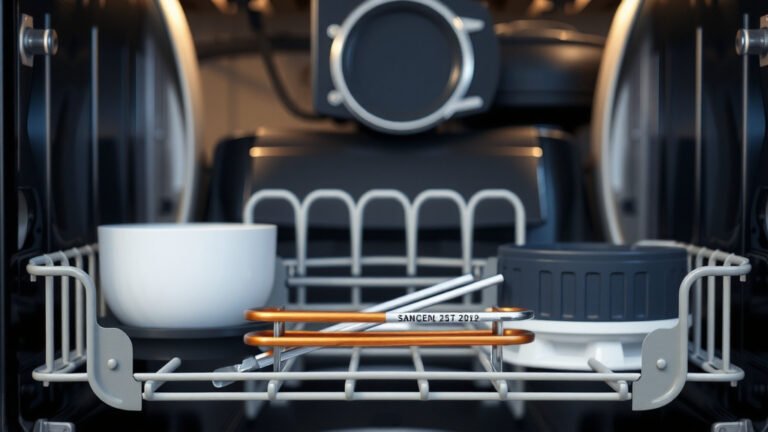
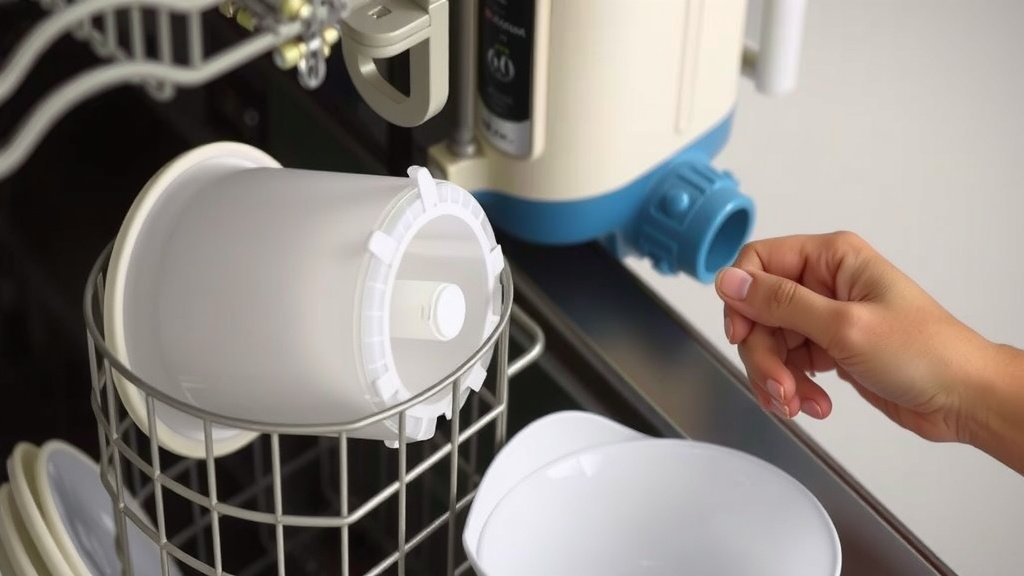
The coarse filter is usually the larger, more visible piece. It catches the bigger food scraps. It might look like a cylindrical cup or a flat screen. The fine filter is often located underneath the coarse filter. This one catches smaller particles and sediment. Some models integrate these into a single unit, while others have them as separate components. Don’t worry if yours looks slightly different; the basic principle is the same.
How to Access and Remove the Filter
Ready to pull it out? Great! Once you’ve spotted the filter, gently try to twist it. Most filters are designed to be removed by turning them counter-clockwise. You might hear a slight click or feel it loosen. If it feels stuck, don’t force it too hard. Sometimes, a little gentle wiggling can help.
If your filter is a two-part system, you might need to remove the outer (coarse) filter first. Once that’s out, you’ll see the smaller, fine filter underneath. This one might pull straight up or have its own twist mechanism. We’ve found that consulting your dishwasher’s manual can be super helpful if you’re unsure about the specific removal process for your model.
In some rare cases, the filter might be a bit trickier to access. Some manufacturers have designed their systems with a removable bottom panel. If you can’t find anything obvious under the spray arm, check if there’s a small access door or panel at the very front, bottom edge of the tub. This usually requires a screwdriver to open.
Why Your Dishwasher Filter Needs Regular Love
You might be asking, “Why all this fuss about a little filter?” We get it. It seems like such a small component. But trust us, this tiny part plays a huge role in your dishwasher’s performance. Think of it like the oil filter in your car; it’s essential for keeping the engine running smoothly.
A clogged filter is the culprit behind many common dishwasher problems. We’ve seen it time and time again. When food debris builds up, it can’t get pumped out properly. This means that dirty water sits at the bottom of your tub. This can lead to unsightly residue on your dishes and glassware. Nobody wants to pull out cloudy glasses!
The Consequences of a Neglected Filter
When your filter is full, water flow can be restricted. This can affect how efficiently your dishwasher cleans. It might also cause strange noises. A struggling pump trying to push water through a blockage can sound quite alarming. We found that many users report their dishwasher becoming louder than usual when the filter is dirty.
Beyond performance issues, a dirty filter can also lead to unpleasant odors. Food particles left sitting in stagnant water can start to decompose. This creates a musty smell that can permeate your kitchen. It’s definitely not the fresh scent you want when opening your dishwasher! Many experts say that regular cleaning can prevent these foul smells from developing (Cleveland Clinic).
A Simple Solution for Cleaner Dishes
The good news is that most dishwasher filters are designed for easy cleaning. A quick rinse under running water is often all it takes. You can use a soft brush to gently scrub away any stubborn bits. Avoid using abrasive cleaners or steel wool, as these can damage the filter mesh.
By making filter cleaning a regular part of your kitchen maintenance routine, you’re investing in your appliance. We found that doing this every month or two, depending on your usage, can significantly extend your dishwasher’s lifespan. It’s a small effort with a big payoff for your dishes and your machine.
Your Dishwasher Filter Cleaning Checklist
Feeling ready to tackle this? Here’s a quick rundown to guide you. You’ve got this!
- Gather Supplies: Have a soft brush (like an old toothbrush) and maybe some dish soap handy.
- Locate the Filter: Get down low and look at the bottom of the tub, usually under the lower spray arm.
- Remove Gently: Twist or lift the filter system out. Remember, counter-clockwise is usually the way to go.
- Rinse Thoroughly: Run the filter components under warm water. Use your brush for any stuck-on debris.
- Inspect and Reassemble: Make sure all parts are clean and dry. Put them back securely in their place.
- Run a Quick Cycle: Consider running a short rinse cycle with an empty dishwasher to flush out any loose particles.
Conclusion
You’ve learned that your dishwasher filter is a small component with a big job. It lives at the bottom of the tub, working hard to catch food debris. Keeping it clean prevents dirty dishes, odd noises, and unpleasant smells. We found that a quick rinse every month or two can extend your dishwasher’s life and keep it running efficiently. Now that you know where it is and why it matters, make filter cleaning a part of your routine. Your sparkling dishes and your appliance will thank you!
Frequently Asked Questions
Do all dishwashers have filters?
Yes, virtually all modern dishwashers are equipped with a filter system. They are designed to catch food particles and other debris. This prevents them from being redeposited onto your dishes or causing damage to the pump.
How often should I clean my dishwasher filter?
We recommend cleaning your dishwasher filter at least once a month. If you frequently run your dishwasher or notice it’s not cleaning as well, you might need to clean it more often. Inspecting it weekly is a good habit to get into.
Can I run my dishwasher without a filter?
It’s strongly advised that you do not run your dishwasher without its filter in place. Doing so can quickly clog the drain pump and spray arms with food particles. This can lead to serious damage and costly repairs down the line.
My filter seems stuck. What should I do?
If your filter feels stuck, try wiggling it gently. Avoid forcing it, as you could break the locking mechanism. Some models have a small tab or button you need to press. Consulting your dishwasher’s user manual is the best way to understand its specific removal process.
What if I can’t find the filter at the bottom of my dishwasher?
While the bottom of the tub is the most common location, some manufacturers have unique designs. Double-check under the lower spray arm very carefully. If you still can’t find it, refer to your dishwasher’s manual or search online for your specific model number to locate the filter’s position.