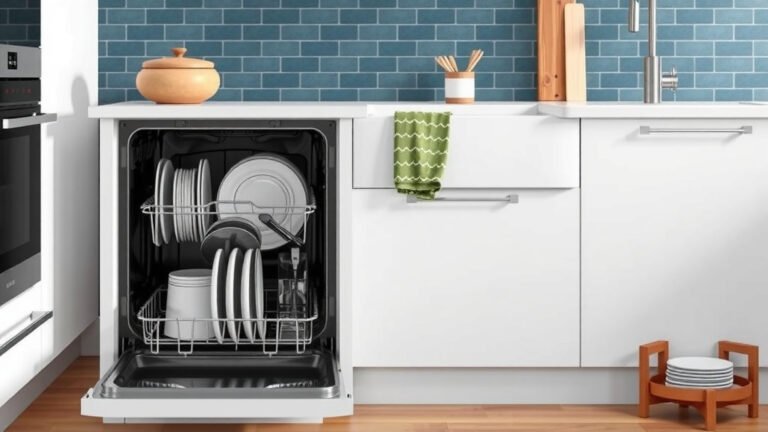
Dishwasher Not Getting Dishes Hot: Top Causes and Fixes
If your dishwasher isn’t getting dishes hot, it’s likely due to a If your dishwasher isn’t getting dishes hot, our guide to why is my dishwasher not heating can help.heating element issue or a faulty water inlet valve. These components are responsible for heating the water during the wash cycle. When they malfunction, your dishes may come out less than sparkling and definitely not hot. We found that many common dishwasher problems stem from these two parts.
A dishwasher needs hot water to effectively break down grease and food particles. If the water isn’t reaching the correct temperature, you might also notice detergent not dissolving properly. This can leave a cloudy film on your glasses. It’s a frustrating situation, especially when you expect clean and sanitized dishes after every run.
- Heating element failure is common.
- A bad water inlet valve prevents hot water.
- Check for proper detergent dissolving.
- Dishwashers need hot water for cleaning.
- Simple fixes are often possible.
Let’s walk through the most common culprits and how you can get your dishwasher back to producing steaming hot dishes again.
Troubleshooting Your Dishwasher’s Water Heating System
It’s a real bummer when you pull out your dishes and they’re still grimy and cool. You expect them to be clean and toasty. Let’s figure out why your dishwasher might not be heating the water properly. This is often linked to a few key components that do the heavy lifting.
Understanding How Your Dishwasher Heats Water
Most modern dishwashers rely on an electric heating element. This is usually a metal coil located at the bottom of the tub. It heats the water to the perfect temperature for washing and sanitizing. Some older models or certain European brands might use your home’s hot water supply directly. But for most, that coil is the star player. This heating element is controlled by your dishwasher’s electronic brain, the control board.
The Heating Element: The Likely Culprit
If your dishwasher isn’t getting dishes hot, the heating element is a prime suspect. Over time, these elements can burn out. Think of it like a toaster element that just stops glowing. A burnt-out heating element won’t be able to warm the water at all. This means your dishes won’t get that deep clean. It also prevents your detergent from dissolving properly, leading to residue. We found this to be one of the most common reasons for this problem.
Signs of a Failing Heating Element
How can you tell if the heating element is the issue? Besides cold dishes, you might notice a few other things. The drying cycle might also be affected. Many dishwashers use the heating element to help dry dishes. If it’s not working, your dishes might be coming out wet, even after the drying phase. You might also hear a faint sizzling sound if the element is severely damaged, though this is less common.
Checking the Heating Element: A DIY Approach?
Before you call a repair person, you can do a simple check. First, unplug your dishwasher completely. Safety first! You’ll likely need to pull the dishwasher out from under the counter. Look for the heating element at the bottom of the tub. It’s usually a U-shaped metal rod. Check for any visible signs of damage like cracks or breaks. You can also test its continuity using a multimeter, but this requires some comfort with electrical testing. If you’re not comfortable with this, it’s best to leave it to a professional.
The Water Inlet Valve: Is It Restricting Hot Water?
Another common cause is a faulty water inlet valve. This little valve is like the gatekeeper for water entering your dishwasher. It opens to let water in when the machine calls for it. If your dishwasher is set to fill with hot water (which most are), a malfunctioning inlet valve might not be letting enough hot water through. It could be partially clogged or completely stuck. We found that a restricted flow means the dishwasher can’t reach the ideal cleaning temperature.
How the Inlet Valve Affects Water Temperature
When the water inlet valve fails, it can cause a few issues. It might not open at all, meaning no water enters the machine. Or, it might only open a little, allowing a trickle of water. If your home’s water heater is set to a high temperature, but only a small amount of water enters the dishwasher, it won’t be enough to heat the entire tub effectively. This is especially true if your dishwasher relies on its own heating element to boost the temperature. A slow fill means the heating element may not have enough water to heat efficiently, or the water it does heat dissipates too quickly.
Signs of a Problematic Water Inlet Valve
Besides dishes not getting hot, look for other clues. Is your dishwasher taking an unusually long time to fill? Do you hear unusual noises when it’s supposed to be filling? A humming sound that doesn’t stop, or a loud buzzing, can indicate the valve is trying to open but is blocked or failing. You might also notice water not filling properly or at all. This is a clear sign the inlet valve needs attention.
Other Potential Issues to Consider
While the heating element and inlet valve are the most frequent offenders, other things can contribute to cool dishes. It’s worth a quick look to rule them out.
Thermostat or Temperature Sensor Failure
Dishwashers have thermostats or temperature sensors that tell the control board when the water has reached the desired temperature. If this sensor is faulty, it might be telling the control board the water is hot when it’s not. The heating element would then turn off prematurely, leaving you with lukewarm water. Many repair guides suggest checking this sensor if other checks fail (Consumer Reports).
The Control Board: The Brains of the Operation
The control board is the central computer for your dishwasher. It tells all the parts what to do and when to do it. If the control board is malfunctioning, it might not be sending the correct signals to the heating element or water inlet valve. This could prevent them from working properly. A faulty control board is usually a more expensive repair, often requiring professional diagnosis.
Is Your Dishwasher Properly Connected to Hot Water?
This might sound obvious, but double-check your setup. If your dishwasher is plumbed to receive only cold water, it will rely solely on its internal heating element. While this should still heat the water, it’s a much harder job for the element. If the element is also weak, this setup will definitely lead to cooler dishes. Most installations are designed to use your home’s hot water supply. Ensure the hose connected to the inlet valve is indeed connected to your hot water line.
Quick Checklist for Cool Dishes
Before you dive deep into repairs, run through this quick checklist. It helps narrow down the possibilities:
- Is the dishwasher set to use hot water in its cycle?
- Is your home’s water heater set to an adequate temperature?
- Are there visible leaks around the dishwasher?
- Is the dishwasher filling with water properly?
- Are there any error codes displayed on the control panel?
- Are the dishes wet after the drying cycle?
When to Call a Professional
While some issues are DIY-friendly, others require a professional touch. If you’re not comfortable working with electrical components or disassembling your appliance, it’s always best to call a qualified technician. They have the tools and expertise to diagnose complex problems safely and efficiently. Plus, they can often source and replace parts quickly. Remember, working with electricity and water can be dangerous if not handled correctly.
Conclusion
It’s frustrating when your dishwasher leaves dishes cool and less than clean. We’ve walked through the most common reasons why your dishwasher might not be heating water effectively. Often, the culprit is a failing heating element or a water inlet valve that’s not letting enough hot water in. Don’t forget to consider the thermostat and your home’s hot water supply as well. If you’ve checked the basics and are still seeing cool dishes, it might be time to call a qualified appliance repair technician. They can safely diagnose and fix the issue, getting your dishwasher back to sparkling hot performance.
Frequently Asked Questions
Can I just connect my dishwasher to only hot water?
While you can check that your dishwasher is connected to your home’s hot water supply, relying *only* on your home’s hot water isn’t ideal for all models. Many dishwashers have their own heating elements designed to boost water temperature for optimal cleaning and sanitization. Skipping the element’s function can lead to less effective cleaning.
My dishwasher fills, but the dishes are still cold. What’s the first thing I should check?
If your dishwasher is filling properly but not heating, the most common issue is the heating element. This is the part that actually warms the water inside the tub. You can visually inspect it for damage, but testing it often requires a multimeter. If it looks damaged or you’re uncomfortable testing it, this is a strong indicator for professional help.
How do I know if my home’s water heater is the problem?
Your home’s water heater needs to be set to an adequate temperature, typically around 120°F. If your water heater is set too low or isn’t heating water properly, your dishwasher won’t receive hot enough water to start with. Run the hot water tap at your kitchen sink; if it’s not hot there, the problem is likely with your water heater, not your dishwasher.
What does it mean if my dishwasher makes a humming noise during the fill cycle?
A persistent humming or buzzing sound during the fill cycle often points to a problem with the water inlet valve. This component controls water entry into the dishwasher. It might be trying to open but is blocked by sediment or has an internal electrical issue preventing it from fully opening, thus restricting water flow and potentially preventing adequate heating.
Is it safe to use my dishwasher if it’s not heating the water?
It is generally safe to run your dishwasher even if it’s not heating the water, but it won’t clean effectively. Dishes may come out with food residue and detergent film, and they won’t be sanitized. Prolonged use without proper heating could potentially strain other components, so it’s best to address the heating issue as soon as possible.