Stainless Steel vs Plastic Tub Dishwasher: Which Is Best
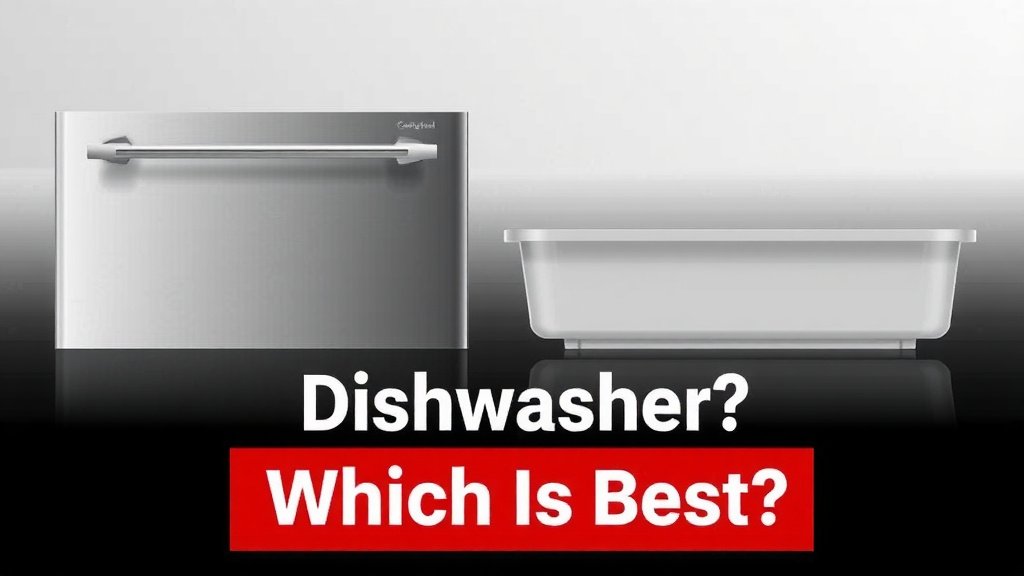
When choosing a new dishwasher, the tub material is a big decision. You’re likely wondering: stainless steel vs. plastic tub dishwasher, which is better for your home? Many experts and studies show that stainless steel tubs are generally superior for durability and hygiene, though plastic tubs can be a budget-friendly option.
Your dishwasher’s tub plays a huge role in how clean your dishes get and how long the appliance lasts. While both stainless steel and plastic have their pros and cons, understanding these differences can help you make the smartest choice for your kitchen. We’ve researched the key factors to consider.
- Stainless steel tubs are more durable and resistant to stains and odors.
- Plastic tubs are typically less expensive but can be prone to scratching and discoloration.
- Stainless steel offers a more modern, high-end look for your kitchen.
- Consider your budget, desired lifespan, and aesthetic preferences.
Let’s dive deeper into the world of dishwasher tubs and help you decide which material is the right fit for your household needs.
Stainless Steel vs. Plastic Dishwasher Tubs: What’s the Difference?
When you’re eyeing a new dishwasher, one of the most important details is the tub material. You’ll see options made from stainless steel or plastic. Both can get your dishes clean, but they perform differently over time. We researched which material offers the best long-term value and performance for your kitchen.
Many dishwasher experts agree that stainless steel tubs tend to last longer and offer better overall performance. Plastic tubs can be a good choice if you’re on a tighter budget. Let’s break down what each material brings to your kitchen.
Durability and Lifespan: Which Tub Holds Up Best?
One of the biggest factors in choosing a dishwasher tub is how long it will last. Stainless steel is a tough metal that resists wear and tear exceptionally well. Plastic, while durable in its own right, can show signs of aging more quickly.
Stainless Steel: Built to Last
Stainless steel is known for its strength and resistance to damage. It doesn’t easily scratch, crack, or warp, even with frequent use and high temperatures. This means a stainless steel tub is likely to serve your household reliably for many years. We found that its robust nature makes it a great investment for a long-lasting appliance.
Plastic Tubs: The Budget-Friendly Option
Plastic tubs are generally made from durable polymers, but they aren’t quite as resilient as stainless steel. Over time, plastic can become brittle or discolored, especially with exposure to hot water and harsh detergents. While they are typically less expensive upfront, you might find yourself needing a replacement sooner than with a stainless steel model.
Hygiene and Odor Control: Keeping Things Fresh
The interior of your dishwasher is a moist environment, which can sometimes lead to lingering odors or bacterial growth. The material of the tub plays a role in how well it resists these issues.
Stainless Steel: Naturally Resistant
Stainless steel is a non-porous material. This means it doesn’t absorb food particles or moisture as easily as plastic. As a result, it’s less likely to harbor bacteria or develop persistent odors. We found that this makes stainless steel tubs more hygienic over time. It’s like having a built-in defense against funky smells.
Plastic Tubs: Potential for Stains and Smells
Plastic, being a porous material, can sometimes absorb moisture and odors. This can lead to a faint smell inside your dishwasher, especially if it’s not run regularly. Over time, food particles can also embed in microscopic scratches, contributing to odor issues. Many sources suggest that while plastic tubs are easy to clean, they may require more attention to prevent odors from building up.
Performance and Cleaning Power: Does Tub Material Matter?
You might wonder if the tub material affects how clean your dishes actually get. While the spray arms and detergent are the primary cleaning forces, the tub can influence heat retention and drying.
Stainless Steel: Better Heat Retention
Stainless steel has a natural ability to retain heat. This can help the dishwasher maintain a higher internal temperature during the wash cycle. Some research suggests that hotter temperatures can lead to better cleaning and sanitization. Additionally, this heat retention can assist in the drying process, potentially reducing the need for plastic drying aids. Additionally, this heat retention can assist in the drying process, potentially reducing the need for plastic drying aids. Our guide on how dishwashers dry dishes explains the methods.
Plastic Tubs: Can Be Slower to Dry
Plastic doesn’t retain heat as well as stainless steel. This means the tub itself can cool down faster, which might slightly impact drying efficiency. You may notice that dishes and the tub interior take a bit longer to dry completely in a plastic tub dishwasher. Some models try to compensate with more powerful fans or heated drying elements.
Appearance and Aesthetics: Kitchen Style Matters
The look of your appliances can really tie your kitchen together. Dishwasher tubs come in different finishes, and this can affect the overall style of your appliance.
Stainless Steel: Sleek and Modern
Stainless steel offers a clean, modern, and high-end appearance. It’s a popular choice in contemporary kitchens and often matches other stainless steel appliances. The sleek finish can make your dishwasher look like a seamless part of your kitchen design. It gives off a feeling of quality and sophistication.
Plastic Tubs: Functional and Varied
Plastic tubs are often found in white or almond finishes. They tend to look more utilitarian. While they serve their purpose well, they may not offer the same aesthetic appeal as stainless steel. If your kitchen has a more traditional or eclectic style, a white plastic tub might blend in just fine.
Comparing Costs: Your Budget Considerations
Let’s talk about the bottom line. When you’re shopping for a new dishwasher, price is almost always a factor. You’ll typically see a price difference between models with stainless steel tubs and those with plastic tubs.
Generally, dishwashers with stainless steel tubs are more expensive upfront. This is due to the higher cost of the material and its associated manufacturing processes. However, many experts suggest that the longer lifespan and better performance of stainless steel can make it more cost-effective over the appliance’s entire life. You might pay more initially, but you could save on repairs or premature replacement.
Plastic tub dishwashers are usually the more affordable option. If your budget is tight, a plastic tub model can still be a good choice for getting your dishes clean. Just be aware that you might trade some long-term durability and some of the premium features for the lower initial cost.
Making Your Final Decision: A Quick Checklist
Still weighing your options? Here’s a quick way to think about what matters most for your household:
- Your Budget: Are you looking for the lowest upfront cost, or can you invest a bit more for long-term benefits?
- Desired Lifespan: How many years do you expect your dishwasher to last?
- Kitchen Aesthetics: What look are you going for in your kitchen? Modern and sleek, or something else?
- Odor Concerns: How important is it to you to prevent potential smells in your dishwasher?
- Drying Needs: Do you want dishes to come out as dry as possible, or is a little residual moisture okay?
- Maintenance: Are you willing to do a bit more regular cleaning to keep a plastic tub fresh?
Dishwasher Tub Material Comparison at a Glance
Here’s a simple table to help you see the key differences side-by-side:
| Feature | Stainless Steel Tub | Plastic Tub |
|---|---|---|
| Durability | Excellent; resistant to scratches, cracks, warping | Good; can be prone to scratches and brittleness over time |
| Hygiene | Non-porous, resists stains and odors well | Porous; can potentially absorb stains and odors |
| Heat Retention | Good; helps with cleaning and drying | Fair; may lead to slower drying times |
| Appearance | Sleek, modern, high-end | Functional, often white or almond |
| Cost | Higher upfront cost | Lower upfront cost |
| Lifespan | Typically longer | Typically shorter |
Conclusion
When deciding between a stainless steel and plastic tub dishwasher, you’re choosing between long-term benefits and upfront savings. Our research shows stainless steel tubs generally offer superior durability, better hygiene, and a more modern look, often justifying their higher initial cost. Plastic tubs remain a solid, budget-friendly choice if your primary concern is immediate affordability. Consider your kitchen’s style, your budget, and how long you expect your appliance to last. For most households seeking longevity and performance, investing in a stainless steel tub is often the smarter move. Ready to find the perfect dishwasher for your needs?
Frequently Asked Questions
Will a plastic dishwasher tub stain or warp over time?
Plastic tubs can sometimes absorb stains from food particles or discoloration from hot water and detergents. While they are designed to be durable, repeated exposure to high heat can potentially make the plastic brittle or slightly warp over many years of use.
Does a stainless steel tub really make dishes dry better?
Yes, stainless steel’s ability to retain heat helps keep the interior of the dishwasher warmer during the drying cycle. This higher temperature can improve drying efficiency for your dishes, potentially reducing the need for extra drying aids.
Are stainless steel tubs noisy?
Stainless steel tubs can actually help dampen noise during operation. The solid metal reflects sound waves differently than plastic, often leading to a quieter overall dishwasher experience compared to plastic tub models.
How do I clean a plastic dishwasher tub to prevent odors?
To prevent odors in a plastic tub, run your dishwasher regularly and ensure no food debris is left sitting in the tub. Cleaning it with a cup of white vinegar placed on the top rack during a hot cycle can help neutralize smells.
Which type of dishwasher tub is considered more environmentally friendly?
Stainless steel is highly recyclable, which can be seen as an environmental benefit. While plastics are also recyclable, the longer lifespan of stainless steel means fewer replacements are needed over time, potentially reducing overall waste.