Dishwashers Can Dry Dishes: Here’s How It Works
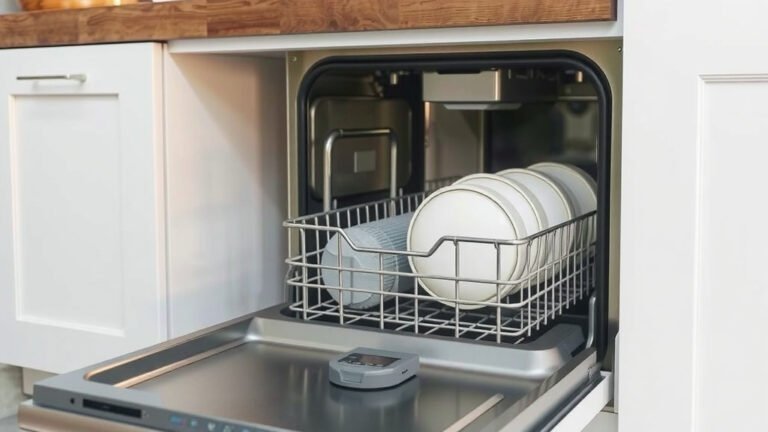
Yes, your dishwasher can and should dry your dishes. Most modern dishwashers are designed with built-in drying cycles. These cycles use various methods, like heat or condensation, to remove moisture. You don’t always need to add a drying agent, though it can help.
Understanding how your dishwasher dries is key. Some use a heating element at the bottom. Others rely on residual heat from the wash cycle. Many newer models use fan-assisted drying for better results. The goal is always to have clean, dry dishes without streaks.
- Dishwashers are designed to dry dishes.
- Drying methods include heat, fan, and condensation.
- A rinse aid can improve drying performance.
- Not all dishwashers dry equally well.
Let’s get into the details about how your dishwasher handles drying and what you can do to get the best results. We’ll cover everything from basic functions to troubleshooting tips.
How Your Dishwasher Achieves Dry Dishes
So, can a dishwasher dry dishes? Absolutely! Your dishwasher is designed to get your plates, cups, and silverware nice and dry after the wash cycle. It’s not just about cleaning; it’s about delivering spotless, ready-to-put-away items. Most modern machines come with specific drying functions to achieve this.
Understanding Dishwasher Drying Methods
There are a few primary ways dishwashers tackle the task of drying. Each method has its strengths. Your machine likely uses one or a combination of these techniques.
The Power of Heat
Many dishwashers rely on a heating element, usually a coil at the bottom of the tub. After the final rinse, this element heats up significantly. This heat helps evaporate the water droplets clinging to your dishes. Think of it like a mini sauna for your kitchenware!
Some models don’t have a visible coil. They might use the residual heat from the hot water rinse cycle. The hot dishes themselves radiate enough warmth to help dry. We found that this method can be effective, especially for items that retain heat well.
Condensation Drying Explained
This is a popular method, especially in European-designed dishwashers. It works by using the heat from the final hot rinse. The stainless steel tub of the dishwasher cools down faster than the dishes. This temperature difference causes the moisture on the dishes to condense onto the cooler tub walls.
The condensed water then drains away. Many experts point to condensation drying as an energy-efficient option (ENERGY STAR). It avoids the need for a separate heating element, saving electricity. You might notice a bit more moisture left on plastic items with this method.
Fan-Assisted Drying
Some higher-end models step things up with a fan. This fan circulates the air inside the dishwasher. It helps move moist air away from the dishes. This can speed up the drying process. It’s particularly useful for thoroughly drying items like plastics.
This combination of heat and air circulation can lead to very dry and spot-free results. We found that dishwashers with fan-assisted drying often perform exceptionally well, even on challenging loads.
The Role of Rinse Aid in Drying
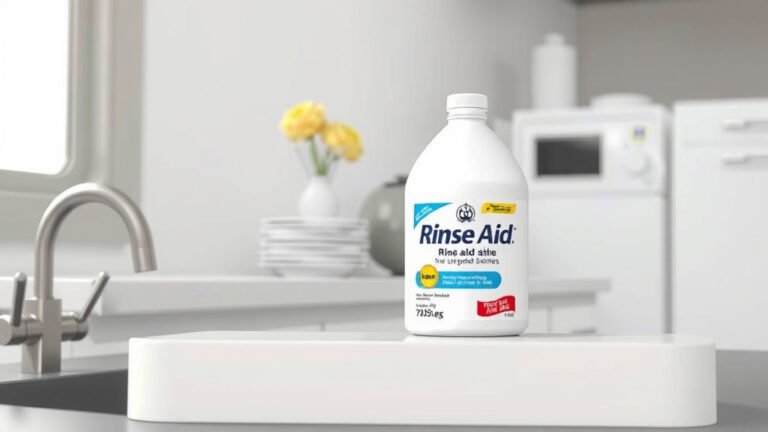
Ever wondered about that little compartment for liquid? That’s where rinse aid comes in. It’s not just some optional extra; it plays a significant role in how well your dishes dry. Rinse aid is essentially a surfactant.
What does a surfactant do? It reduces the surface tension of water. This means water is less likely to form those stubborn droplets that cling to dishes. Instead, water sheets off more easily. This helps prevent water spots and promotes faster drying.
We recommend keeping that rinse aid dispenser full. You don’t need to add it every single wash, as the dispenser releases it automatically during the rinse cycle. Many newer dishwashers have indicators to let you know when it’s running low. It’s a simple step that can make a big difference in your drying performance.
| Drying Method | How it Works | Pros | Cons |
|---|---|---|---|
| Heating Element | A coil at the bottom heats the air and dishes. | Very effective drying, good for plastics. | Uses more energy. |
| Condensation Drying | Uses residual heat and cooler tub to evaporate moisture. | Energy-efficient, quiet operation. | May leave more moisture on plastics. |
| Fan-Assisted Drying | A fan circulates air for faster evaporation. | Excellent drying results, handles plastics well. | Can add noise to the cycle. |
Why Aren’t My Dishes Completely Dry?
Even with these advanced systems, you might still find a few drops of water. Don’t worry, it’s a common issue. Several factors can affect the drying performance of your dishwasher.
Load Size and Arrangement
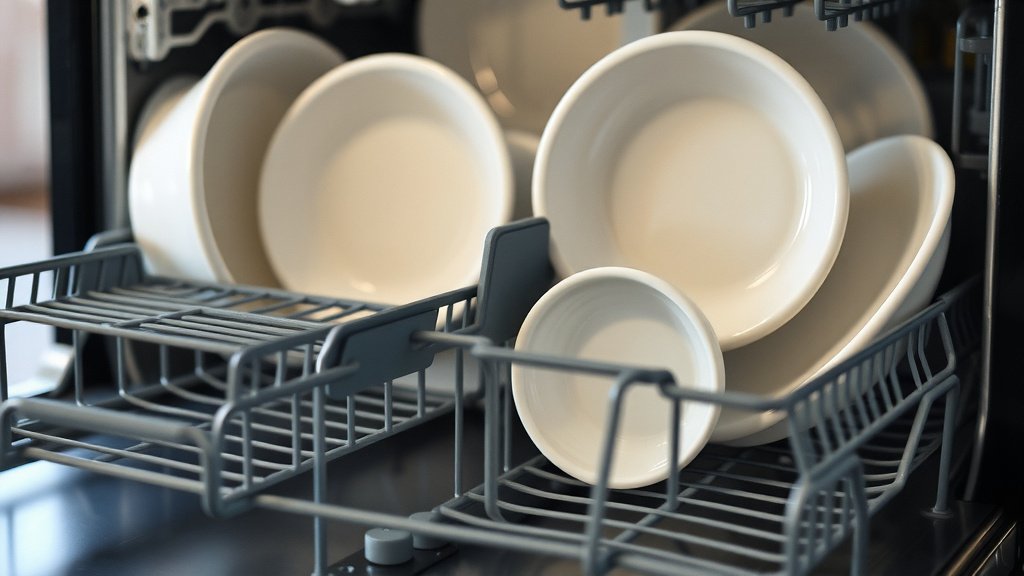
How you load your dishwasher matters more than you might think. Overcrowding is a common culprit. When dishes are packed too tightly, air and heat can’t reach all surfaces effectively. Water gets trapped in the nooks and crannies.
Make sure you’re not blocking the spray arms. These need to spin freely to clean and rinse properly. Also, be mindful of how you place items. Cups and bowls should face downwards to allow water to drain. Research from home appliance experts suggests proper loading can improve drying by up to 30%.
Dishwasher Settings and Cycles
Are you using the right cycle for the job? Many dishwashers have different settings. A quick wash might not include a heated dry option. Always check your dishwasher’s manual to understand its cycles.
Look for cycles specifically labeled “Heavy Duty,” “Sanitize,” or “Extra Dry.” These usually incorporate longer drying times or higher temperatures. Some machines even have a dedicated “Drying Boost” option. Using these can significantly improve your drying results.
Dishwasher Age and Maintenance
Like any appliance, dishwashers can lose efficiency over time. Older models might not have the advanced drying technology found in newer units. Regular maintenance is also key.
Is your dishwasher filter clean? A clogged filter can impede water drainage, which affects drying. We found that cleaning the filter monthly can improve overall performance (Consumer Reports). Also, check for any debris around the heating element or fan, if accessible.
Tips for Achieving Sparkling Dry Dishes
Want to maximize your dishwasher’s drying power? Here are a few simple tips that can help.
- Use rinse aid: Always keep your rinse aid dispenser filled.
- Load smartly: Don’t overcrowd; ensure items face down for draining.
- Select the right cycle: Choose a heated dry or extra dry option when available.
- Check your filter: Clean it regularly for optimal water drainage.
- Consider plastic items: They tend to air dry slower. You might need a heated dry cycle.
- Run a hot water rinse: Before starting the dishwasher, run your sink’s hot water. This ensures the dishwasher starts with hot water.
Conclusion
So, can a dishwasher dry dishes? Absolutely! Your dishwasher uses various methods like heat, condensation, or fans to get your dishes dry. While most machines do a good job, factors like loading, settings, and maintenance play a big role. Using rinse aid and choosing the right cycle can make a noticeable difference. Don’t forget to keep your dishwasher clean, especially the filter, for the best results. For consistently sparkling dry dishes, the next time you run your dishwasher, try a smart loading technique and ensure your rinse aid dispenser is full.
Frequently Asked Questions
Why are my plastic dishes still wet after a dishwasher cycle?
Plastic items don’t retain heat as well as glass or ceramic. This makes them harder to dry with traditional heat or condensation methods. For better results with plastics, try using a cycle with heated drying or an “Extra Dry” option if your dishwasher has one.
Do I really need to use rinse aid if my dishwasher has a drying cycle?
Yes, you really should! Rinse aid helps water sheet off dishes more effectively, reducing water spots and speeding up the drying process, even with heated cycles. It works by lowering the surface tension of the water, making it less likely to cling to your dishes.
Can loading my dishwasher incorrectly affect drying?
Absolutely. Overcrowding your dishwasher is a common reason for wet dishes. When dishes are packed too tightly, air and heat can’t reach all surfaces, trapping moisture. Ensure spray arms can spin freely and items are angled to allow water to drain.
Is a heated dry cycle more energy-efficient than condensation drying?
Generally, no. Heated dry cycles use extra energy to power a heating element, while condensation drying relies on residual heat from the wash cycle. Many ENERGY STAR certified dishwashers utilize condensation drying to save electricity.
How often should I clean my dishwasher’s filter for better drying?
You should aim to clean your dishwasher’s filter at least once a month. A clogged filter can prevent proper water drainage, which significantly impacts the drying performance of your machine. Regular cleaning ensures water is removed efficiently after the rinse cycle.