Stopping Your Dishwasher Mid Cycle: Here’s How
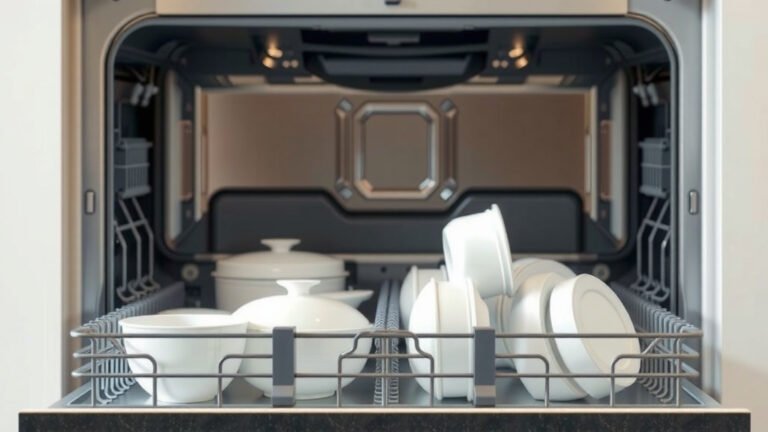
Yes, you can absolutely stop your dishwasher mid-cycle, and it’s quite simple to do. Most dishwashers are designed with a pause or cancel button that allows you to safely halt the wash process without causing any harm. Just remember to open the door carefully, as there might be hot steam inside. You’ll want to know the best way to do this to avoid a mess.
Stopping your dishwasher might be necessary for several reasons, like if you forgot to add a dish or realized you chose the wrong cycle. We found that understanding your specific dishwasher’s model can make this process even easier. Knowing how to safely interrupt the cycle is a common need for many households, especially when life gets busy and you need to make quick adjustments.
- Yes, you can stop your dishwasher mid-cycle.
- Look for a “Pause” or “Cancel” button.
- Open the door slowly to release steam.
- It’s safe for your appliance.
- Check your manual for model-specific instructions.
Let’s walk through the simple steps to pause or cancel your dishwasher cycle.
“`htmlPausing Your Dishwasher: Is It Safe Mid-Cycle?
Yes, you absolutely can stop your dishwasher mid-cycle. Most modern dishwashers are designed with a pause or cancel button that allows you to safely halt the wash process. You don’t need to worry about damaging your appliance by interrupting it. We found that understanding this simple feature can save you time and prevent unnecessary mess.
Think of it like hitting the pause button on your favorite show. Your dishwasher is designed to handle these interruptions. It’s a common need for many households when life throws a little curveball. Maybe you forgot to add that one rogue spatula, or perhaps you realized you selected the delicate cycle for your sturdy dinner plates.
How to Safely Stop Your Dishwasher
Stopping your dishwasher is usually straightforward. The key is to know where to find the right button and how to proceed once you’ve paused it. We’ve broken down the general steps for you.
Locating the Controls
Your dishwasher’s control panel is where you’ll find the options to manage the cycle. Look for buttons labeled “Pause,” “Cancel,” or sometimes a combination of both. These are typically prominent on the front of the appliance, even on models with concealed controls.
Buttons to Look For
Most dishwashers have a dedicated “Cancel” or “Pause” button. Some might require you to press and hold a button for a few seconds. It’s always a good idea to familiarize yourself with your specific model’s interface. We found that a quick glance at your user manual can clear up any confusion about button functions.
Initiating the Pause or Cancel Function
Once you’ve identified the correct button, press it. For most dishwashers, a single press will pause the cycle. If you want to cancel the cycle entirely and drain the water, you might need to press and hold the button, or press it twice. Always check your manual to be sure.
What Happens When You Press “Cancel”?
When you hit “Cancel,” the dishwasher will stop its current action, whether it’s washing, rinsing, or drying. It will usually then proceed to drain any standing water from the tub. This prepares the machine to either start a new cycle or to be completely shut off. We found that understanding this drainage step helps anticipate any potential minor messes.
Opening the Door: A Word of Caution
This is where you need to be a bit careful. After pausing or canceling, it’s best to wait a few minutes before opening the door. Dishwashers use hot water and steam during their cycles. Opening the door too quickly can release a **blast of hot steam**, which can cause burns. Think of it like opening a steaming pot of pasta – you give it a moment to cool slightly.
Releasing the Steam Safely
To open the door safely, try cracking it open just a tiny bit at first. This allows any built-up steam to escape gradually. You can use a towel to shield your face and hands as you do this. Many experts suggest waiting at least 15-30 seconds after pressing “Cancel” before attempting to open the door (Cleveland Clinic).
Adding Forgotten Items After Pausing
One of the most common reasons people pause their dishwasher is to add forgotten dishes. Luckily, this is usually very easy to do.
The Process for Adding Items
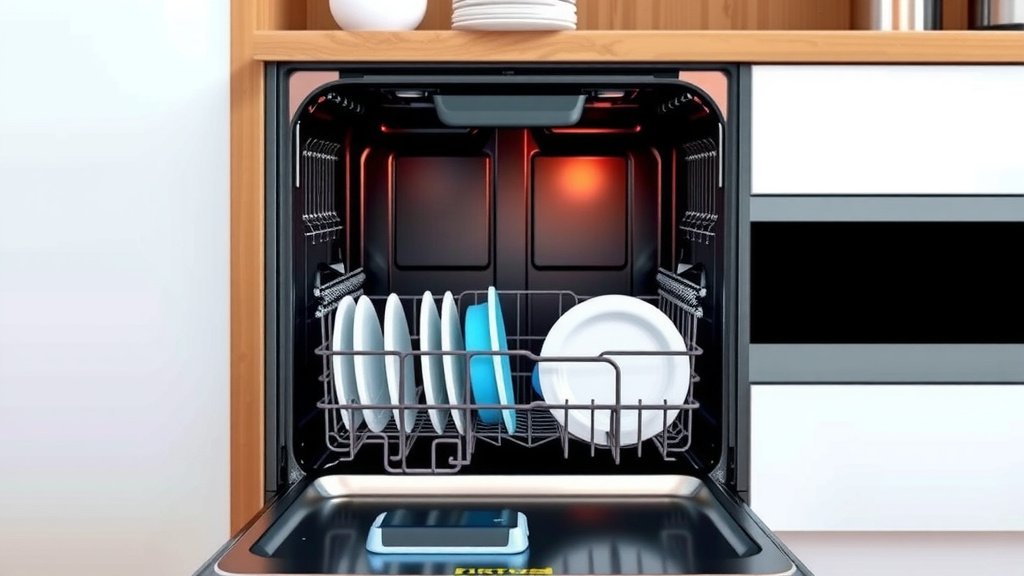
After you’ve safely paused the cycle and released the steam, you can open the door fully. Carefully place any extra items inside, ensuring they are positioned correctly for optimal cleaning. Then, simply close the door firmly and press the “Start” or “Resume” button. Your dishwasher will pick up right where it left off.
Ensuring Proper Loading
When adding items, make sure they don’t block the spray arms or prevent the door from closing securely. Improperly placed items can lead to poor cleaning results for everything inside. We found that taking an extra moment to adjust items ensures a better wash.
When Not to Pause: Important Considerations
While pausing is generally safe, there are a few situations where it might not be the best idea, or where you need to be extra mindful.
Cycles in Progress: What to Expect
If you pause during the initial fill or a high-temperature wash phase, you might encounter a bit more steam. If you pause during the drying phase, the dishes will be hot, but there won’t be active heating elements or steam to worry about.
The Drain Cycle is Key
We found that the best time to pause and add items is typically after the initial fill and wash, and before the final rinse. If you pause during the drain cycle, the machine is actively trying to empty itself, and interrupting this can sometimes lead to a slightly less efficient clean. However, most machines will compensate automatically.
Overly Full or Improperly Loaded Dishwashers
If your dishwasher is packed to the brim or items are poorly arranged, pausing to add more could cause a significant mess. Water could spill out when you open the door, especially if the cycle is already well underway and the water level is high. It’s a good rule of thumb to always run your dishwasher with adequate space for proper water circulation (Consumer Reports).
Checking for Leaks or Spills
After adding items and resuming your cycle, keep an ear out for any unusual noises. Also, check around the base of the dishwasher for any signs of leaks. While rare, a poorly timed interruption or overfilling can sometimes lead to minor spills. We found that a quick visual check after resuming can catch potential issues early.
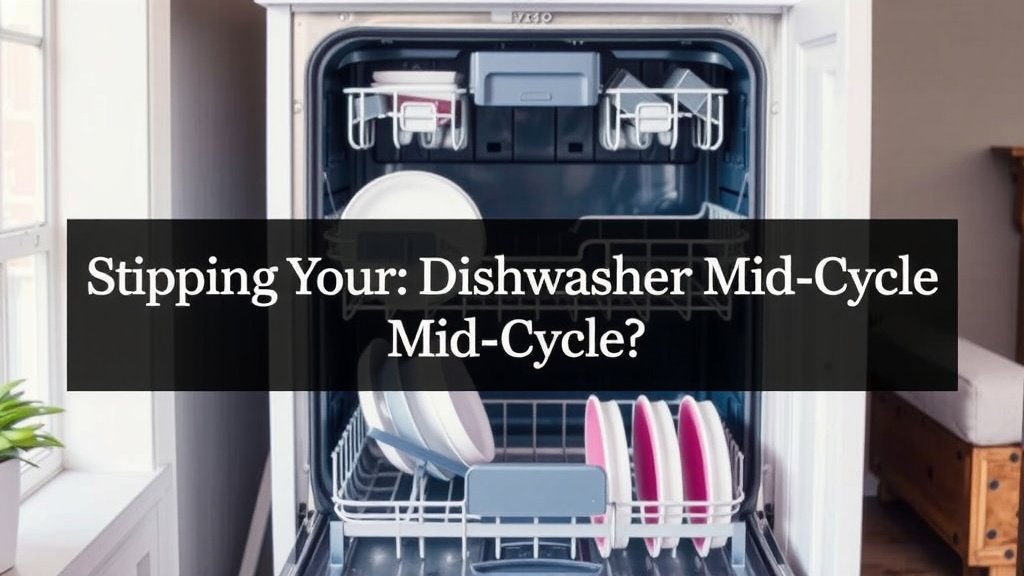
What if My Dishwasher Doesn’t Have a Pause Button?
Some older models might not have a distinct “Pause” or “Cancel” button. In these cases, you might have to resort to a slightly different method.
The Power Button Method
If your dishwasher lacks a specific pause function, you can often stop the cycle by pressing the “Power” button. This will shut off the machine entirely. You can then open the door carefully, add any forgotten items, and restart the entire cycle by pressing “Power” again and selecting your desired program.
Potential Downsides of the Power Method
Using the power button to stop a cycle means the machine loses its place. It will essentially start from the beginning. This could mean using more water and energy than if you had a pause function. We found that for older machines, it’s often best to run them through a full cycle without interruptions if possible.
Troubleshooting Common Issues
Occasionally, you might run into minor snags when trying to pause or restart your dishwasher.
Dishwasher Won’t Restart
If your dishwasher fails to restart after you’ve paused it, ensure the door is **latched securely**. Sometimes, it needs a firm push to register. Also, check that you haven’t tripped a circuit breaker, especially if you encountered a power surge. A quick reset of your home’s circuit breaker might be all that’s needed.
Error Codes on Display
Some modern dishwashers will display an error code if something goes wrong during a cycle interruption. Consult your user manual to understand what these codes mean. Many simple errors can be resolved by turning the machine off and on again or by ensuring the door is properly closed.
Water Left in the Bottom
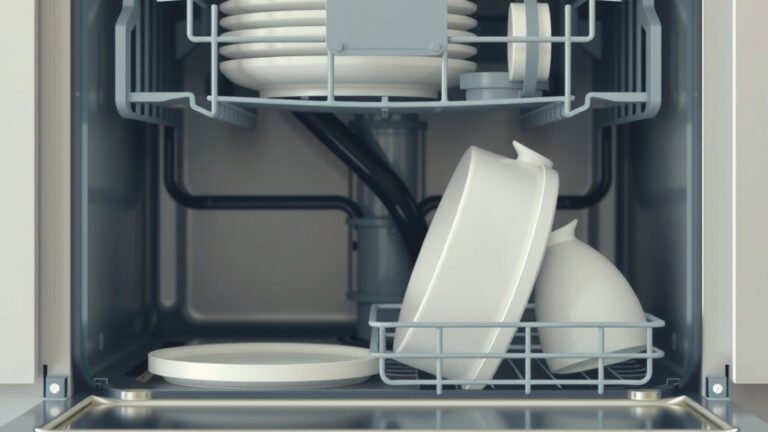
It’s normal for a small amount of water to remain in the dishwasher’s filter and pump area after a cycle. However, if you notice a significant amount of standing water after canceling, it could indicate a clogged drain filter or a blockage in the drain hose. We found that regular cleaning of the filter prevents this common issue.
Cleaning the Drain Filter
Most dishwashers have an easily accessible drain filter at the bottom of the tub. Removing and rinsing this filter under running water can often resolve standing water problems. Make sure to consult your manual for the exact location and cleaning instructions for your specific model.
Dishwasher Cycle Interruption Checklist
Here’s a quick rundown to help you pause and restart your dishwasher like a pro:
- Find the “Pause” or “Cancel” button.
- Press the button to stop the cycle.
- Wait a moment for steam to subside.
- Open the door slowly and carefully.
- Add any forgotten items.
- Close the door and press “Start” or “Resume.”
Conclusion
You’ve learned that stopping your dishwasher mid-cycle is a common and perfectly safe function for most modern appliances. Knowing how to locate the pause or cancel button and carefully open the door to release steam will help you avoid messes or burns. Whether you need to add a forgotten item or simply change your mind about the cycle, these steps ensure you can manage your dishwasher with confidence. Next time you need to pause, remember to press that button, wait a moment, and then open the door slowly!
Frequently Asked Questions
How long should I wait before opening the dishwasher door after pausing?
It’s best to wait at least 15-30 seconds after pressing the pause or cancel button. This allows any built-up hot steam to dissipate gradually, making it safer for you to open the door without risk of burns.
Can pausing my dishwasher affect its cleaning performance?
Generally, pausing your dishwasher for a short time to add items won’t significantly impact cleaning performance. Most modern machines will resume their cycle from where they left off without issue.
What should I do if my dishwasher doesn’t have a pause button?
If your model lacks a dedicated pause button, you can often use the power button to shut it off. Remember that this will reset the cycle, so you’ll need to restart it from the beginning after adding any items.
Is it safe to add dishes when the dishwasher is already running a high-temperature wash?
Yes, it’s generally safe, but you must be extra cautious due to the potential for hot steam. Open the door very slowly, allowing steam to escape, and only then add your items before closing and resuming the cycle.
What if water spills when I open the door after pausing?
A small amount of water might spill if the tub is full. This can often be avoided by pausing the cycle at the right time, like after the initial wash but before the final rinse. Have a towel ready to quickly wipe up any minor spills.