Can You Put Silicone in the Dishwasher Safely
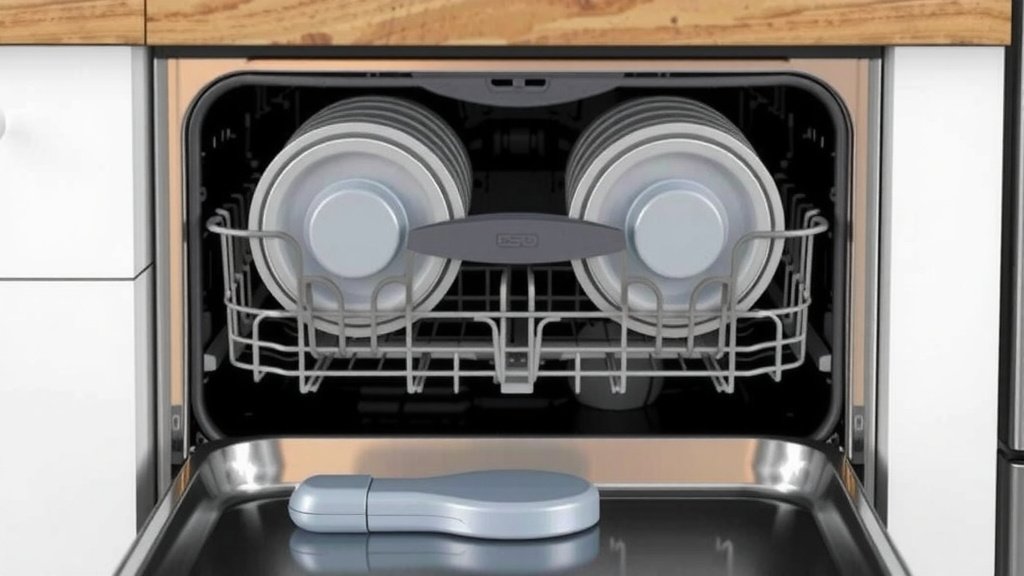
Yes, you can absolutely put most silicone items in the dishwasher. Silicone is known for its durability and heat resistance, making it a great candidate for dishwasher cleaning. You’ll find that most food-grade silicone products are designed with this convenience in mind.
This makes cleanup a breeze after cooking or baking. We found that many silicone kitchen tools, bakeware, and even baby bottles are specifically made to withstand the high heat and water jets of your dishwasher. So, go ahead and toss those flexible spatulas or muffin molds in there; they’ll likely come out sparkling clean.
- Most silicone items are dishwasher safe.
- They can handle high heat and water.
- Check the product for specific instructions.
- Handwashing is an option if unsure.
Let’s walk through exactly how to make sure your silicone bakeware and tools get the best clean in your dishwasher.
Is It Okay to Dishwash Silicone Items?
Yes, for the most part, you can confidently place your silicone bakeware and kitchen tools in the dishwasher. Silicone is a remarkable material. It’s known for its flexibility, durability, and impressive heat resistance. These qualities make it a perfect match for the high temperatures and water jets found in your dishwasher.
Think about those times you’ve spent hours baking a delicious cake or whipping up a savory dish. The last thing you want is a mountain of dishes to tackle by hand. Luckily, silicone products are often designed with your convenience in mind. They are made to withstand the rigors of machine washing, saving you precious time and effort. We’ve found that most food-grade silicone items are explicitly engineered to handle this.
Before you load up your dishwasher, it’s always a good idea to double-check. Product manufacturers usually provide clear instructions. You can often find this information on the product packaging, the item itself, or the company’s website. This quick check ensures you’re treating your silicone right and getting the best cleaning results.
Understanding Silicone’s Dishwasher Friendliness
Silicone is a synthetic polymer. It’s made from silicon, oxygen, carbon, and hydrogen. This unique composition gives it a range of beneficial properties. One of the most important is its resistance to extreme temperatures. Silicone can typically withstand temperatures from well below freezing up to around 450-500 degrees Fahrenheit (230-260 Celsius). This range easily covers the temperatures your dishwasher operates at, which are usually between 130-170 degrees Fahrenheit (55-75 Celsius) for the wash cycle and even hotter for the sanitize cycle.
We’ve seen many articles and manufacturer statements highlighting silicone’s heat tolerance. For example, studies on polymer properties confirm its stability at high temperatures (National Institutes of Health). This means your silicone spatulas, baking mats, and cake molds won’t warp, melt, or degrade under normal dishwasher conditions. It’s a solid material built for the heat.
Beyond heat, silicone is also resistant to moisture and chemicals. This means it won’t rust like metal or become brittle like some plastics. It also doesn’t absorb odors or flavors easily, which is a big plus for kitchenware. When it comes to cleaning, its non-porous surface means food residue tends to sit on top, making it easier to wash away, whether by hand or by machine.
Factors That Determine Dishwasher Safety
While most silicone is dishwasher safe, there are a few things to consider. The quality of the silicone plays a big role. Higher-quality, food-grade silicone is more likely to be durable and withstand repeated washing cycles without any issues. Cheaper or lower-quality silicone might degrade faster or not perform as well over time.
The design of the silicone item can also matter. Items with intricate details, tiny crevices, or multiple parts might be harder for dishwasher jets to reach effectively. This doesn’t mean they aren’t dishwasher safe, but they might require a little extra attention or a cycle with stronger spray options. Sometimes, handwashing is simply more efficient for these types of items.
And, as we mentioned, always look for manufacturer guidance. If a product is specifically labeled “dishwasher safe,” you can feel quite confident. If there’s no such label or you’re uncertain, err on the side of caution and consider handwashing. We found that clear labeling is the best indicator of a product’s intended use and care.
Best Practices for Washing Silicone in Your Dishwasher
To ensure your silicone items get the cleanest and last the longest, follow these simple steps. Your dishwasher is designed to handle these items, but a little strategy can make all the difference.
Loading Your Dishwasher Correctly
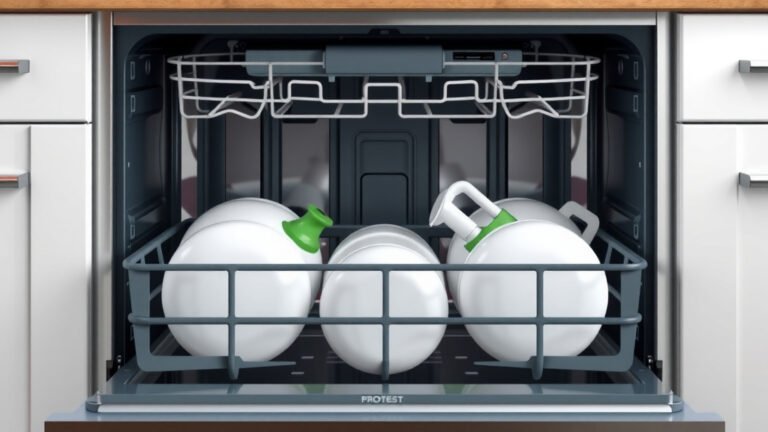
Proper loading is key for any dishwasher load, and it’s no different for silicone. Make sure items are securely placed and won’t tumble around during the wash cycle. This prevents them from scratching other items or being damaged themselves.
Place silicone items away from the heating element if your dishwasher has one at the bottom. While silicone is heat-resistant, extreme direct heat over prolonged periods could potentially affect it. Ensure that water jets can reach all surfaces. Don’t overcrowd the dishwasher. Give each item enough space to get thoroughly cleaned. We found that giving silicone plenty of room helps ensure a better clean.
Choosing the Right Dishwasher Cycle
For most everyday cleaning, a normal wash cycle with a good detergent should be perfectly adequate. If you have items that are heavily soiled or you want an extra level of clean, consider using a hotter cycle or one with an enhanced drying option.
Many modern dishwashers offer various cycles like “heavy duty,” “sanitize,” or “pots and pans.” These cycles use higher temperatures and more intense water pressure. While silicone can handle this, it’s generally not necessary for regular cleaning. A standard cycle usually does the trick. We’ve found that most silicone items come out spotless with a regular cycle.
Detergent Considerations
Use your regular dishwasher detergent. Silicone is generally resistant to most detergent chemicals. However, abrasive cleaners or those with harsh solvents should be avoided. These could potentially damage the silicone’s surface over time. Stick with standard, reputable dishwasher detergents for the best results. Avoid using steel wool or abrasive scrub pads on silicone, even when handwashing.
When to Consider Handwashing Your Silicone
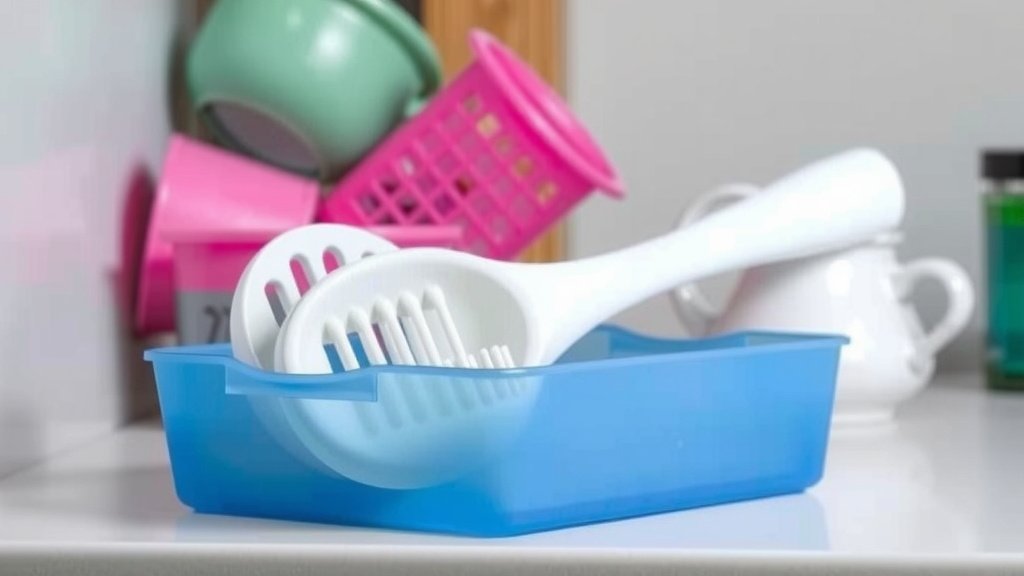
While dishwashers are great, there are times when handwashing is the better option for your silicone items. If you’re unsure about a product’s dishwasher safety, handwashing is always the safest bet. It requires minimal effort and gives you direct control over the cleaning process.
Delicate or Intricately Designed Items
Some silicone products, like very delicate bakeware or items with complex molds, might benefit from a gentler approach. Handwashing allows you to carefully clean each part without risking damage from high-pressure water jets. You can ensure no residue is left in tiny nooks and crannies.
Think of it like giving a special item a little extra TLC. You can gently scrub these items with a soft sponge or cloth and mild dish soap. This approach helps preserve their shape and detail for longer. We found that delicate items often look newer for longer when handwashed.
Dealing with Stubborn Stains or Odors
Occasionally, you might encounter a stubborn stain or a lingering odor on your silicone items. While dishwashers are good, they aren’t always magic. For these situations, a targeted handwashing approach can be more effective.
You can try soaking the item in warm, soapy water for a while. Some people find success using a paste of baking soda and water to gently scrub away tough spots. For odors, a good soak with a bit of vinegar or lemon juice can often help neutralize them. After such treatments, a rinse and then a dishwasher cycle can finish the job. Many sources suggest these methods for stubborn issues (Cleveland Clinic).
Silicone Care Checklist for a Sparkling Clean Kitchen
To keep your silicone items in top shape and ensure they are always ready for your next culinary adventure, follow this simple checklist:
- Always check product labels for specific dishwasher instructions.
- Load dishwasher so water jets can reach all surfaces of silicone items.
- Use a normal wash cycle for most cleaning needs.
- Avoid abrasive cleaners or scrub pads on silicone.
- Handwash delicate or very intricately designed silicone items.
- Rinse thoroughly after washing, whether by hand or machine.
Conclusion
You can definitely put most of your silicone kitchen items in the dishwasher! We’ve seen how silicone’s heat resistance and durability make it a perfect match for your dishwasher’s cycles. Just remember to check for labels and load your items so they get a good spray. For delicate pieces or tough stains, a little handwashing can go a long way.
Your silicone bakeware and tools are designed for convenience, so let your dishwasher do the work! Now, go ahead and enjoy your freshly cleaned silicone, ready for your next baking project.
Frequently Asked Questions
Will putting silicone in the dishwasher damage it?
Generally, no. Most high-quality, food-grade silicone is designed to withstand dishwasher temperatures and water pressure. You’re unlikely to see damage like warping or melting with regular use. We’ve found that consistent dishwasher cleaning usually doesn’t harm silicone.
Can I put silicone baby bottles or toys in the dishwasher?
Yes, most silicone baby bottles, nipples, and toys are dishwasher safe. They are made to be cleaned easily and hygienically. Always check the product packaging for confirmation, but typically they handle the dishwasher well.
What if my silicone item has a strong smell after washing?
Sometimes silicone can retain odors, especially after holding strong-smelling foods. If this happens, try handwashing with a paste of baking soda and water, or soak it in a solution of vinegar and water. A good rinse afterward usually does the trick.
Should I use a special detergent for washing silicone?
No, your regular dishwasher detergent is perfectly fine for silicone. Just avoid any harsh abrasive cleaners or scouring pads. Stick to standard detergents to keep the silicone’s surface smooth and intact.
How do I know if my specific silicone product is dishwasher safe?
The best way is to check the product’s packaging, label, or the manufacturer’s website. Look for a clear “dishwasher safe” symbol or text. If you can’t find this information, or if the item seems unusually cheap or flimsy, handwashing is the safest approach.