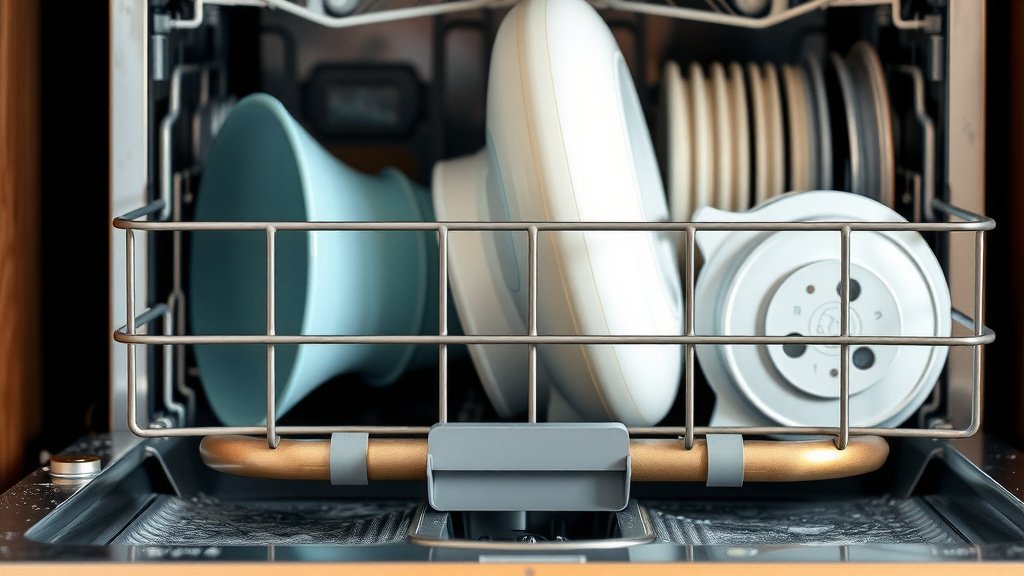
Dishwasher Not Drying? Common Causes & Solutions
Your dishwasher isn’t drying dishes properly because of a few common culprits. Often, it’s a simple issue like improper loading, a clogged filter, or problems with the rinse aid dispenser. Sometimes, the heating element might be the source of the trouble.
We understand how frustrating it is to open your dishwasher and find wet plates. Many factors can interfere with the drying cycle, from water temperature to a malfunctioning vent. Let’s figure out why your dishes are still damp.
- Clogged filter or drain hose.
- Low water temperature.
- Empty rinse aid dispenser.
- Improper loading of dishes.
- Malfunctioning heating element or vent.
We’ve researched the common reasons and are here to help you troubleshoot. Let’s walk through exactly how to tackle these drying dilemmas.
Why Isn’t Your Dishwasher Drying? Common Culprits Explained
It’s a common kitchen woe: you open the dishwasher, expecting sparkling, dry dishes, but instead, you’re greeted by damp surfaces. Don’t worry, you’re not alone in this struggle. We’ve found that many factors can affect your dishwasher’s drying performance. Let’s get to the bottom of what might be causing your dishes to come out wet.
Troubleshooting Your Dishwasher’s Drying Performance
The Humble Yet Mighty Filter: A Common Roadblock
Have you ever thought about the filter in your dishwasher? It’s like a tiny but mighty gatekeeper, catching food particles so they don’t clog up your machine. When this filter gets packed with gunk, it can seriously hinder your dishwasher’s ability to drain water effectively, which directly impacts drying. We found that a clogged filter is often the first thing to check when drying issues arise.
Checking and Cleaning Your Filter
Most dishwasher filters are located at the bottom of the tub. You’ll typically need to twist and pull them out. Consult your dishwasher’s manual if you’re unsure. Once removed, rinse it thoroughly under warm running water. A soft brush can help dislodge stubborn debris. It’s a simple task, but we’ve seen it solve many drying problems.
Water Temperature Matters More Than You Think
The hot water in your dishwasher is essential for both cleaning and drying. If your water heater isn’t set high enough, or if the water cools too much on its way to the dishwasher, your dishes won’t get hot enough to dry properly. Many experts suggest your water heater should be set to at least 120 degrees Fahrenheit (Mayo Clinic). This ensures the water is hot enough to activate the drying cycle effectively.
Boosting Water Temperature for Better Drying
First, check your home’s water heater setting. Make sure it’s at the recommended temperature. You might also run the hot water tap at your kitchen sink for a minute before starting the dishwasher. This flushes out any cooler water sitting in the pipes. We found this simple step can make a noticeable difference.
The Role of Rinse Aid: Your Drying’s Best Friend
Rinse aid is a liquid surfactant. It works by reducing the surface tension of water. This allows water to sheet off your dishes rather than forming droplets. Those little droplets are what cause water spots and prevent proper drying. If your rinse aid dispenser is empty, your dishes are missing out on this crucial drying helper.
Ensuring Your Rinse Aid Dispenser is Full
Locate the rinse aid dispenser, usually a small compartment on the inside of the dishwasher door. Open it up and fill it with liquid rinse aid. Many dispensers have a little indicator light or window to show when it’s getting low. We recommend keeping it topped up for optimal drying results. You might also need to adjust the dispenser setting for your water hardness.
Dishwasher Loading: The Art and Science of Space
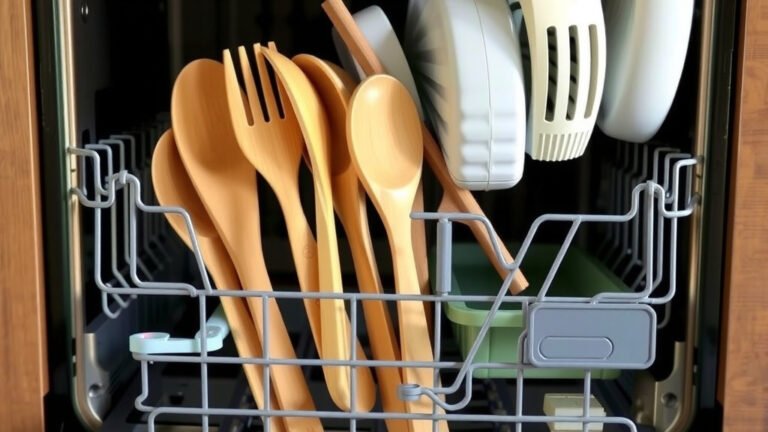
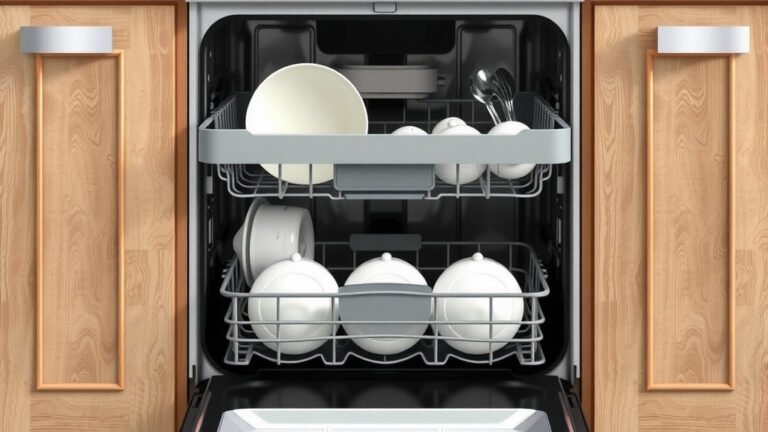
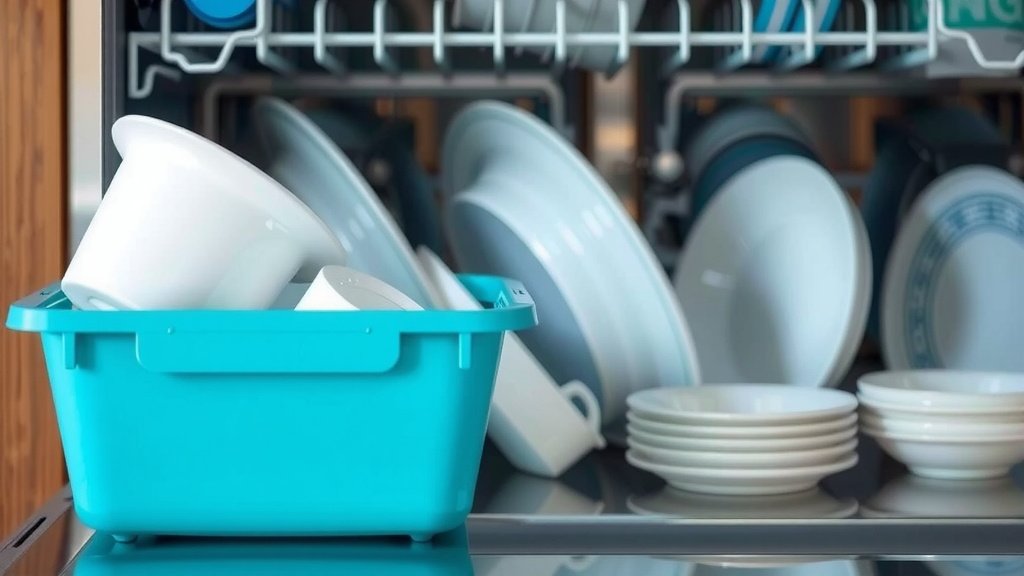
How you load your dishwasher is surprisingly important for drying. If dishes are packed too tightly, or if larger items block the spray arms, water can get trapped. This prevents hot air from circulating and reaching all surfaces. We found that proper loading is key to ensuring every dish gets its turn in the drying spotlight.
Tips for Efficient Dishwasher Loading
- Don’t overcrowd the racks.
- Ensure items aren’t nesting together.
- Place taller items towards the sides and back.
- Make sure nothing blocks the spray arms.
- Angle plastic items slightly so water can’t pool on them.
Sometimes, a simple rearrangement can solve your drying woes. Think about creating space for air to move freely.
Understanding the Drying Mechanisms: Heat and Vents
Most dishwashers use a combination of heat and air circulation to dry your dishes. The drying cycle typically involves a heating element at the bottom of the tub. This heats the air inside. Some models also have a fan that circulates this hot air. Finally, many dishwashers have a vent that releases moist air.
When the Heating Element or Vent Fails
If your heating element is broken, the air inside won’t get hot enough to evaporate the water. Similarly, if the vent doesn’t open or is blocked, humid air can get trapped, leaving dishes damp. These are more complex issues that might require a technician. We found that these components are critical for effective drying.
Checking the Door Seal and Latch
A good seal around the dishwasher door is essential for trapping heat and moisture inside during the drying cycle. If the door seal is cracked, torn, or dirty, hot air can escape, and cooler air can get in. This compromises the drying efficiency.
Inspecting and Cleaning the Door Seal
Take a look at the rubber gasket around your dishwasher door. Wipe it down with a damp cloth to remove any food debris or grime. If you notice any damage, it may need to be replaced. We suggest ensuring the door latch is also working correctly, as a loose door won’t seal properly.
Cycle Selection: Are You Using the Right Setting?
Did you know some dishwashers have different drying options? Some eco-friendly cycles might use less heat or a shorter drying time to save energy. If you’re using one of these cycles and expect bone-dry dishes, you might be disappointed. We found that selecting a more robust drying cycle can often resolve this issue.
Choosing the Best Drying Cycle
Check your dishwasher’s control panel for options like “High Heat,” “Extended Dry,” or “Sanitize.” If your dishwasher has a “heat dry” option, make sure it’s engaged. Reading your dishwasher’s manual can help you understand what each cycle does and how to get the best results.
Troubleshooting Checklist for Damp Dishes
Let’s recap the steps you can take. Here’s a quick checklist to help you pinpoint the problem:
- Clean the dishwasher filter.
- Ensure your hot water is at least 120°F.
- Refill the rinse aid dispenser.
- Load dishes with space for air circulation.
- Select a more intensive drying cycle if available.
- Inspect the door seal for damage.
Conclusion
It’s clear that a dishwasher not drying dishes is rarely a mysterious malfunction. We’ve seen that most issues stem from straightforward maintenance and proper use. Cleaning your filter, ensuring adequate water temperature, and using rinse aid are simple yet effective steps. Pay attention to how you load your dishwasher and select the right cycle for the best results. By addressing these common culprits, you can significantly improve your dishwasher’s drying performance and enjoy sparkling dishes after every wash.
If you’ve tried these tips and are still facing wet dishes, it might be time to consult your dishwasher’s manual or a qualified appliance repair technician for more complex mechanical issues.
Frequently Asked Questions
Why are my plastic dishes still wet after the wash cycle?
Plastic items don’t retain heat like glass or ceramic, making them harder to dry. We found that proper loading helps – angle plastic items slightly so water can’t pool on them. Using a heated dry cycle or ensuring your rinse aid dispenser is full can also make a difference.
Can I run my dishwasher with a dirty filter?
While your dishwasher might still run, a dirty filter significantly impacts performance. We’ve seen that a clogged filter restricts water flow, hindering both cleaning and drying. It’s best to clean your filter regularly to ensure optimal results and prevent damage.
How often should I refill the rinse aid dispenser?
The frequency of refilling your rinse aid dispenser depends on your dishwasher model and usage. Most dispensers have a small window or indicator light to show when it’s low. We recommend checking it every few weeks and refilling it when needed for consistent drying.
Is it okay to block the dishwasher spray arms when loading?
Absolutely not. Blocking the spray arms prevents water from reaching all your dishes effectively, which is a common cause of poor cleaning and drying. Always ensure that taller items or those placed incorrectly don’t obstruct the spray arms’ rotation.
What’s the difference between a “normal” and an “eco” wash cycle for drying?
Eco cycles are designed to save energy, often by using lower water temperatures and shorter drying times. We’ve found that if you prioritize perfectly dry dishes, a standard or “high heat” cycle will generally provide better drying results than an eco-friendly option.