What is the Heavy Cycle on Your Dishwasher
The heavy cycle on your dishwasher is designed for tougher cleaning jobs. It uses higher water temperatures and a longer wash time. This setting is perfect for heavily soiled pots, pans, and casserole dishes that have baked-on food. You’ll want to use this cycle when regular washes just won’t cut it.
Think of the heavy cycle as your dishwasher’s heavy-duty mode. It’s built to tackle grease, dried-on remnants, and stubborn residues. Many people wonder if it’s safe for all dishes, but it’s best reserved for durable items. Using it on delicate items could cause damage, so choose wisely.
- The heavy cycle is for stubborn food messes.
- It uses hotter water and a longer wash.
- Ideal for pots, pans, and dishes with baked-on food.
- Not recommended for delicate items.
Let’s walk through exactly when and how you should use your dishwasher’s heavy cycle to get those dishes sparkling clean.
When to Call on Your Dishwasher’s Heavy-Duty Cycle
You’ve got a dishwasher, and it has a ‘Heavy’ or ‘Pots & Pans’ cycle. But what exactly is it for? This cycle is your dishwasher’s secret weapon for those truly daunting messes. It’s designed to handle the aftermath of a feast or a cooking session that got a little too enthusiastic.
What Makes the Heavy Cycle Different?
The primary difference lies in the intensity of the cleaning. It’s not just a little bit hotter; it’s significantly hotter. The water temperature can reach up to 150°F (65°C) or even higher, depending on your model. This extra heat is key to breaking down stubborn grease and baked-on food particles. You’ll also notice it runs for a longer duration. More time means more opportunities for the hot water and powerful detergent to work their magic.
Higher Temperatures for Tougher Grime
Think of it like soaking a really tough stain in extra-hot water. For dishes, this means that dried-on lasagna or burnt-on oatmeal doesn’t stand a chance. Many models will also use a higher water pressure during the wash phases. This helps to physically scrub away the stuck-on bits. Research shows that higher temperatures are more effective at sanitizing dishes, which is an added bonus for this cycle (CDC).
Extended Wash and Dry Times
The extended cycle time isn’t just for show. It allows the hotter water to penetrate and loosen hardened food residues. The drying phase is often longer and hotter, too. This helps ensure that those extra-tough items come out completely dry and ready to be put away. You’re looking at cycles that can run for three hours or even more, so plan accordingly!
What Kinds of Dishes Benefit Most from the Heavy Cycle?
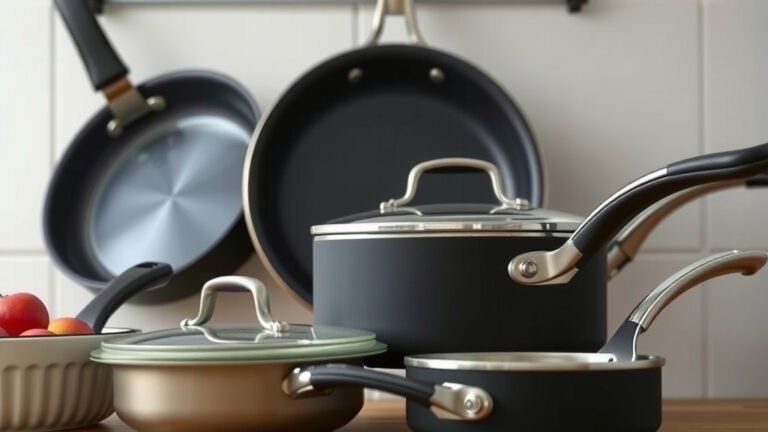
This is where you want to use your judgment. The heavy cycle is a powerhouse, but power isn’t always needed. You want to reserve this cycle for items that can handle a bit of a workout. Think of it as sending your toughest cookware to a specialized cleaning spa.
Your Go-To Items for the Heavy Cycle
- Greasy Pots and Pans: After frying bacon or searing meat, these are prime candidates.
- Casserole Dishes: Baked-on cheese, pasta sauce, or remnants from roasting vegetables belong here.
- Baking Sheets and Roasting Pans: These often have stubborn, burnt-on residue that a normal cycle won’t touch.
- Sturdy Glassware: Pyrex or Anchor Hocking dishes that are not ornate or thin.
- Stainless Steel Utensils and Cookware: These materials are generally very durable.
When NOT to Use the Heavy Cycle: The Delicate Dilemma
Just as important as knowing what to clean is knowing what to avoid. The high heat and vigorous action of the heavy cycle can be detrimental to certain items. You could end up with damaged dishes and a less-than-happy kitchen experience.
- Fine China and Hand-Painted Ceramics: The intense heat can cause paint to fade or crack. The strong jets can chip delicate rims.
- Crystal and Delicate Glassware: These items are prone to chipping, cracking, or etching from high temperatures and pressure.
- Non-Stick Cookware (with caution): While many modern non-stick pans can withstand higher temps, repeated heavy cycles might degrade the coating over time. Always check the manufacturer’s recommendations.
- Aluminum Cookware: This metal can discolor and pit when exposed to prolonged high heat and harsh detergents.
- Wooden Items: Wood can warp, crack, or split with excessive heat and moisture.
- Plastic Items (unless marked dishwasher safe for high temps): While many plastics are fine, some can warp or melt.
When in doubt, it’s always best to err on the side of caution. A gentle cycle or handwashing is a safer bet for anything you’re unsure about. We found that simply looking for the dishwasher-safe symbol on your items can save a lot of heartache. If it doesn’t have the symbol, or if it’s an older item, a regular or delicate cycle is probably best.
Understanding Your Dishwasher’s Cycle Options: A Quick Comparison
To really get a feel for the heavy cycle, let’s see how it stacks up against other common settings. This isn’t an exhaustive list, as models vary, but it covers the basics you’ll likely encounter.
| Cycle Name | Typical Water Temp (°F) | Wash Time | Best For | Considerations |
|---|---|---|---|---|
| Normal/Regular | 130-140°F | 1.5 – 2.5 hours | Everyday dishes, lightly to moderately soiled items. | Good balance of cleaning power and efficiency. |
| Heavy/Pots & Pans | 140-150°F+ | 2.5 – 3.5+ hours | Heavily soiled pots, pans, casseroles with baked-on food. | Uses more water and energy; not for delicate items. |
| Light/China/Delicate | 110-130°F | 1 – 1.5 hours | Fine china, crystal, lightly soiled glasses, delicate items. | Lower temp, gentler spray to prevent damage. |
| Quick/Express | Variable (often lower) | 30-60 minutes | Lightly soiled items needed quickly, not for tough grime. | Less effective on dried-on food or grease. |
As you can see, the heavy cycle is built for power and endurance. It sacrifices speed and energy efficiency for a thorough clean on the toughest jobs. Many homeowners find themselves using the normal cycle for the bulk of their dishes and saving the heavy cycle for those days when cooking gets particularly messy.
Tips for Maximizing Your Heavy Cycle Results
You’ve decided to deploy the heavy cycle. Great! Here are a few tips to ensure you get the cleanest dishes possible and keep your machine running smoothly.
Proper Loading is Key
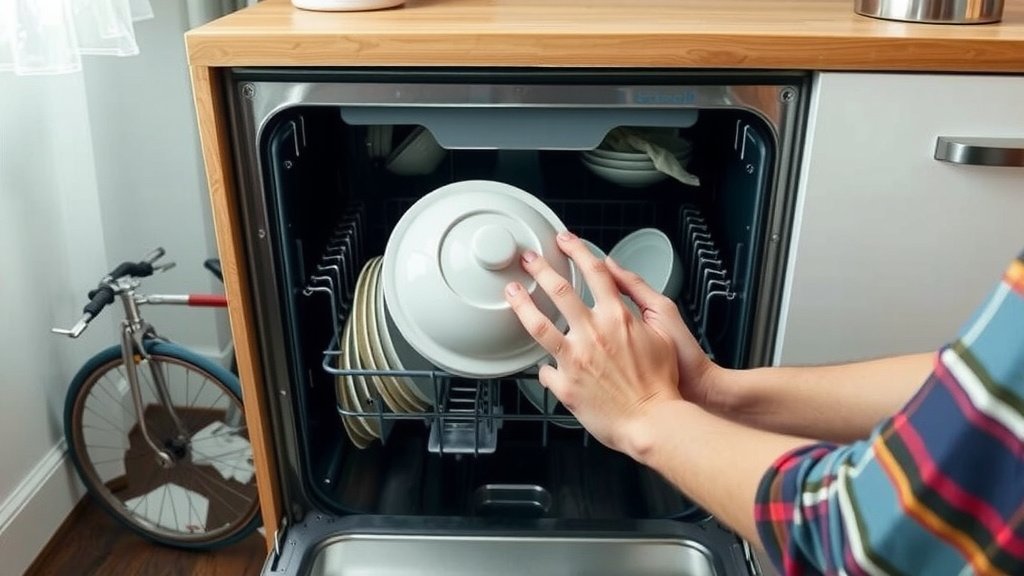
Even with a powerful cycle, proper loading makes a huge difference. Make sure heavily soiled items face the spray arms. Don’t overcrowd the dishwasher. Allow water and detergent to reach every surface. We’ve all been guilty of just shoving things in, but a little thought goes a long way here.
Pre-Rinsing: To Do or Not to Do?
Modern dishwashers and detergents are quite advanced. For most situations, extensive pre-rinsing isn’t necessary and can actually make the detergent less effective. The detergent needs some food particles to latch onto and break down. However, for extremely caked-on debris (think burnt-on sugar), a quick scrape or soak might be beneficial before running the heavy cycle. Many experts suggest scraping off large chunks rather than rinsing extensively (Good Housekeeping Institute).
Using the Right Detergent
For the heavy cycle, a good quality dishwasher detergent is essential. Consider using a detergent specifically formulated for tough grease and baked-on food. Some people opt for a dishwasher detergent pod or powder, while others prefer liquid. Whichever you choose, ensure it’s a reputable brand.
A Quick Heavy Cycle Checklist
Before you hit start on that heavy cycle, give this a quick run-through:
- Are the items dishwasher-safe and durable?
- Are the pots and pans heavily soiled with baked-on food?
- Have you scraped off any large food chunks?
- Is the dishwasher loaded efficiently, without overcrowding?
- Are the spray arms unobstructed?
- Have you selected the correct ‘Heavy’ or ‘Pots & Pans’ cycle?
Following these steps will help ensure your dishwasher’s heavy cycle works its magic effectively, leaving your toughest dishes sparkling clean.
Conclusion
You’ve learned that your dishwasher’s heavy cycle is your secret weapon for tackling those truly stubborn messes. It’s designed for grease, dried-on food, and baked-on residue on durable items like pots, pans, and sturdy casseroles. Remember, this powerful cycle uses hotter water and longer wash times, so it’s not suitable for delicate dishes like fine china or thin glassware. By understanding when to use it and what to avoid, you’ll ensure your toughest cookware comes out sparkling clean every time. Next time you face a challenging cleanup, confidently select the heavy cycle and let your dishwasher do the hard work for you!
Frequently Asked Questions
Is the heavy cycle safe for all my dishes?
No, the heavy cycle is not safe for all dishes. It uses high temperatures and strong water pressure, which can damage delicate items like fine china, crystal, or thin glassware. Always check if your items are dishwasher-safe and can withstand intense cleaning before selecting this cycle.
How long does the heavy cycle usually take?
The heavy cycle is significantly longer than a normal wash. You can expect it to run for approximately two and a half to three and a half hours, or even more, depending on your specific dishwasher model. This extended time allows for the hotter water and more intense cleaning action to break down tough grime.
Do I need to pre-rinse dishes before using the heavy cycle?
For most situations, extensive pre-rinsing is not necessary for the heavy cycle. Modern detergents need some food particles to latch onto for maximum effectiveness. However, for extremely caked-on debris, like burnt sugar, a quick scrape or short soak before the cycle can be helpful.
Will the heavy cycle use more water and energy?
Yes, the heavy cycle typically uses more water and energy than standard cycles. This is due to the higher water temperatures, longer wash duration, and potentially more powerful spray jets required to tackle tough messes. It’s best reserved for when its heavy-duty cleaning power is truly needed.
Can I use the heavy cycle on non-stick pans?
You should use caution with non-stick pans on the heavy cycle. While many modern non-stick surfaces can tolerate higher heat, repeated use of the most intense settings might degrade the coating over time. It’s always best to check the manufacturer’s recommendations for your specific cookware.