How to Vent Your Dishwasher Properly for Optimal Performance
The simplest way to vent your dishwasher is to ensure the air gap is clean and the connection to your sink’s plumbing is secure. You might need to clear debris from the air gap if water is backing up. This process usually takes less than 30 minutes for most homeowners. Properly venting helps your dishwasher drain and dry dishes effectively.
A clogged or improperly installed vent can lead to several dishwasher problems. You might notice odors or that your dishes aren’t coming out clean. We found that many common issues stem from simple venting blockages. Addressing the vent is often the first step in troubleshooting. It’s a surprisingly easy fix with the right guidance.
- Check your air gap for clogs.
- Ensure vent hoses are securely attached.
- Clean out any debris found in the vent.
- Test your dishwasher after clearing the vent.
Let’s walk through exactly how to make sure your dishwasher’s vent is working correctly, step by step.
You’ve noticed something isn’t quite right with your dishwasher. Maybe water is pooling at the bottom, or strange odors are lingering. Often, the culprit is a simple venting issue. Don’t worry, addressing your dishwasher’s vent is usually a straightforward fix. You don’t need to be a plumbing expert to get your machine draining and drying like new again.
Keeping Your Dishwasher Vent Clear and Functional
Properly venting your dishwasher is essential for its performance. It allows air to enter the system as water drains out. This prevents a vacuum effect. Without good airflow, your dishwasher can struggle to drain. Dishes might come out still wet or with food particles. We found that a clogged air gap is the most common reason for these problems.
Understanding How Your Dishwasher Vents
Dishwashers typically vent in one of two ways. Some connect directly to your home’s plumbing system through a separate vent pipe. Others vent through an air gap installed on your sink or countertop. This air gap is a small, often chrome-finished, cylindrical device. It prevents dirty sink water from backing up into your clean dishes. Understanding your setup is the first step in troubleshooting.
The Air Gap Method Explained
If your dishwasher has an air gap, this is likely where the issue lies. The air gap acts as a physical barrier. Water from the dishwasher travels up to the air gap, then down into the drain line connected to your sink’s garbage disposal or drain pipe. Debris from food particles can easily get lodged here. We found that regular checks can prevent most blockages.
Direct Plumbing Venting
Some newer installations might connect directly to a specialized dishwasher drain under the sink or even through a dedicated vent line in the wall. This setup usually requires a skilled plumber. If you suspect an issue with a direct vent, it might be best to consult a professional. However, most residential dishwashers use the air gap method.
Troubleshooting Common Venting Problems
So, what exactly are the signs your vent needs attention? Beyond water not draining, you might notice a musty smell. Sometimes, the dishwasher might even make gurgling noises during the drain cycle. These are all indicators that air isn’t flowing freely. We found that these symptoms often appear gradually.
Signs You Might Have a Vent Issue
- Dishes remain wet after the cycle.
- A pool of water sits at the bottom of the tub.
- Unpleasant odors are present.
- The dishwasher drains very slowly.
- Gurgling sounds come from the drain.
How to Inspect and Clean Your Dishwasher’s Air Gap
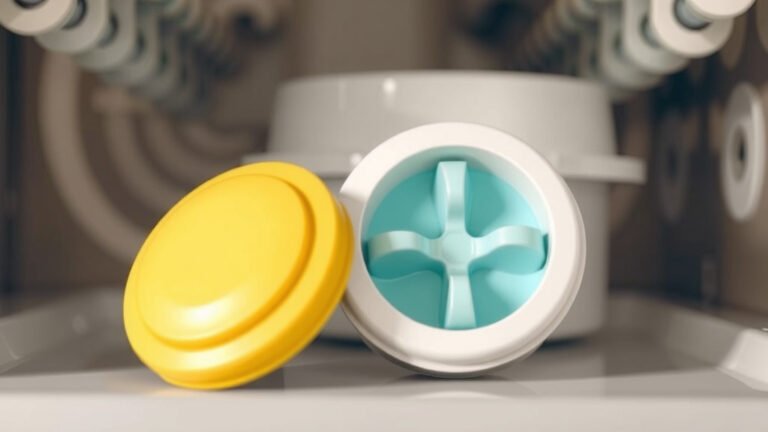
Let’s get hands-on with the air gap. This is usually the easiest part to access. First, locate the air gap on your sink. It’s typically a short, round component with a removable cap. You might need a screwdriver to gently pry off the decorative cover. Once the cover is off, you’ll see a smaller plastic cap underneath. Unscrew this cap.
Step-by-Step Cleaning Process
Inside the air gap, you’ll find a smaller plastic piece that might lift out. Check this piece and the inside of the air gap housing for any buildup. Food debris, grease, and gunk can accumulate here. Use a small brush, like an old toothbrush, or a pipe cleaner to scrub away any obstructions. You can also use a paper towel to wipe it clean. Many experts suggest rinsing the parts under warm water.
Reassembly and Testing
Once everything looks clean, reassemble the air gap. Make sure all caps are securely tightened. Run your dishwasher through a short rinse cycle. Listen for any unusual noises and check if the water drains properly afterward. We found that a quick clean-up like this often solves drainage issues.
Checking the Vent Hose Connections
If cleaning the air gap doesn’t solve the problem, the next step is to check the hoses. The vent hose runs from the dishwasher to the air gap (or your drain). It can sometimes become loose or clogged itself. This usually requires accessing the area under your sink.
Locating the Dishwasher Drain Hose
You’ll need to pull your dishwasher out slightly from under the counter. Be gentle! Disconnect the water supply line and electrical connections if necessary. Consult your dishwasher’s manual for specific instructions on safely moving it. Once you have access, find the rubber hose that connects to your sink’s plumbing or the air gap. We found that a flashlight is very helpful here.
Securing and Inspecting the Hose
Check where the hose connects to the sink drain or air gap. Ensure the clamp is tight and secure. If it’s loose, tighten it with a screwdriver. Next, try to disconnect the hose from the sink’s connection. Be prepared for a little water to drain out. Inspect the end of the hose and the connection point for any visible clogs. If you find debris, carefully remove it. We found that gently wiggling the hose can sometimes dislodge minor blockages.
When to Consider Professional Help
While most dishwasher venting issues are DIY-friendly, there are times when you might need an expert. If you’ve cleaned the air gap and checked the hoses, but your dishwasher still isn’t draining, it could be a more complex problem. This might involve issues within the dishwasher pump or a blockage further down your main plumbing line. We found that persistent problems often require professional diagnostics.
Identifying When a Plumber is Needed
If you’re uncomfortable pulling out your dishwasher or working with plumbing connections, that’s perfectly okay. Your safety and peace of mind are important. If you’ve followed these steps and still experience drainage problems, it’s time to call a qualified plumber. They have specialized tools to clear stubborn clogs and can diagnose deeper system issues. Many sources suggest not forcing connections if they feel stuck.
What a Professional Can Do
A plumber can snake drain lines, check for faulty valves, or confirm if the dishwasher’s internal pump is working correctly. They can also ensure your entire plumbing system is up to code. While it might cost more than a DIY fix, it can save you time and prevent further damage. We found that a professional can often solve recurring issues more effectively.
A Quick Checklist for a Happy Dishwasher Vent
Before you start, or as a quick recap, keep this checklist handy:
- Locate your dishwasher’s air gap (if applicable).
- Remove the air gap cover and inner cap.
- Clean out any visible debris inside the air gap.
- Inspect the dishwasher drain hose connections under the sink.
- Tighten any loose hose clamps.
- Run a test cycle to confirm proper drainage.
Conclusion
You’ve learned that keeping your dishwasher’s vent clear is a surprisingly simple task. Most common draining and odor issues stem from a clogged air gap or a loose hose connection. By taking a few minutes to inspect and clean these areas, you can often restore your dishwasher’s performance. We found that this DIY maintenance can save you time and money. If these steps don’t resolve the problem, don’t hesitate to call a plumber. Your next step is to grab a screwdriver and check that air gap!
Frequently Asked Questions
Can I just bypass my dishwasher’s air gap?
Bypassing the air gap is generally not recommended. It’s a critical component designed to prevent dirty sink water from siphoning back into your clean dishes. Skipping this step can lead to unsanitary conditions and a less effective wash.
How often should I clean my dishwasher’s air gap?
We found that cleaning your air gap every few months, or whenever you notice drainage issues, is a good practice. If you frequently run your dishwasher or notice food debris in the sink, more frequent checks might be beneficial.
What if my dishwasher doesn’t have an air gap?
If your dishwasher doesn’t have a visible air gap on the sink, it’s likely connected directly to your plumbing. In this case, you’ll need to inspect the drain hose connection under the sink for clogs or loose fittings. This might require pulling the dishwasher out slightly.
Will a clogged vent cause my dishwasher to leak?
While a severely clogged vent can cause water to back up, it’s more likely to result in poor drainage and pooling water inside the tub. Leaks are typically caused by faulty seals, cracked hoses, or issues with the pump, rather than the vent itself.
Can I use chemical drain cleaners on my dishwasher vent?
We advise against using harsh chemical drain cleaners on your dishwasher vent. These can damage the hoses and seals within your dishwasher and plumbing. Physical cleaning with a brush or pipe cleaner is a safer and more effective method for most blockages.