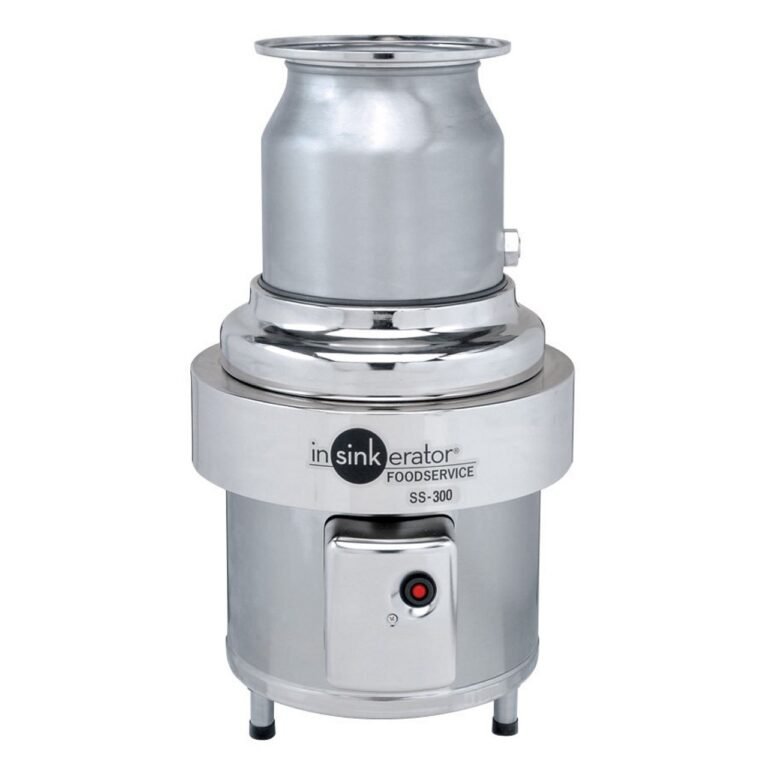
Garbage Disposal Reset Button: How to Fix It Fast
Hitting the reset button is the first thing you should try when your garbage disposal stops working. This small red button pops out to trip the circuit breaker when the motor overheats, and pressing it gives your disposal a fresh start. You can fix many common disposal problems by simply locating this button and pressing it once.
We found that most disposal issues are easy to solve at home without calling a plumber. A jammed flywheel, a stuck impeller, or a simple power overload are the usual culprits behind a silent unit. The reset button tackles the power issue, while a hex wrench can free a stuck blade.
- Look for the small red reset button on the bottom or side of the disposal unit.
- Press the button firmly until you hear a click. That click means the breaker is reset.
- Always unplug the unit or turn off the circuit breaker before working inside it.
- If the reset button pops again, you likely have a jam, not a power problem.
- Use a hex wrench in the bottom socket to free a jammed flywheel before resetting.
Below, we break down the common reasons your disposal trips the reset, and walk you through the exact steps to bring it back to life safely.
Why Your Garbage Disposal Keeps Tripping the Reset
Your disposal has a built-in overload protector. That little red button is a circuit breaker. When the motor gets too hot or draws too much power, the button pops out. This cuts electricity to the unit. It protects the motor from burning out.
We found that most resets fail because people press the button without fixing the root issue. The reset is a symptom fix, not a cure. You need to find out why it tripped in the first place.
The Most Common Causes We Found
Several things can force the reset button to pop. Jammed flywheels are the number one culprit. Silverware, bottle caps, or bones get stuck between the rotating blades and the housing. The motor strains and overheats.
Another frequent offender is running cold water too late. You should always run water before turning the disposal on. If you run it dry, friction builds fast. The motor heats up quickly and trips the breaker.
We also saw a trend with older units. Worn bearings create extra drag. That extra load makes the motor work harder than it should. Over time, the reset button pops more often.
Electrical Issues vs. Mechanical Jams
Sometimes the problem is electrical. A faulty plug or a loose wire can cause power surges. But we found that mechanical jams are far more common. Listen carefully. If you hear a faint hum when you flip the switch, the motor is getting power. That means it’s jammed, not dead.
If you hear nothing at all, check the wall switch and the outlet. Plug a lamp into the same outlet to test it. If the lamp works, you have power. The issue is inside the disposal motor or its internal breaker.
Step-by-Step: Resetting Your Disposal the Right Way
Before you touch anything, safety comes first. Unplug the disposal from the outlet under the sink. If it’s hardwired, turn off the circuit breaker at your electrical panel. Never reach inside the disposal, even when it’s unplugged.
Research and experience show that skipping safety steps causes most injuries. Take the extra minute. Your fingers will thank you.
Locate the Reset Button
Look at the bottom of the disposal unit. You will see a small cylinder-shaped protrusion. The reset button sits there, usually colored red, but sometimes black. It may be recessed slightly. Some models have it on the side, near the bottom edge.
Take a flashlight and inspect carefully. The button is small — about the size of a pencil eraser. If you don’t see it right away, check your owner’s manual. Different brands position it differently.
Press and Hold Firmly
Once you find it, press the button straight in with your thumb. You should feel a click as it engages. Push it all the way in until it’s flush with the housing. Hold it there for a second or two.
We found that many people just tap it lightly. That doesn’t work. The button needs a firm, decisive press. If it pops back out immediately, you have a bigger problem than a simple overload.
Test Before You Reassemble
Plug the unit back in or restore power at the breaker. Run cold water and flip the switch for just a second. If it hums and spins, you’re in good shape. If it hums but doesn’t spin, the jam is still there. You’ll need to free the flywheel manually.
If it runs quietly, let it complete a full cycle. Then run water for another 15 seconds to flush everything out. This clears any remaining debris that could cause another trip.
Freeing a Jammed Flywheel Before You Reset
The reset button won’t solve a physical jam. You have to clear the obstruction first. Most disposals have a hex socket at the bottom center of the unit. This is for manual turning. Grab a 1/4-inch hex wrench or Allen key.
We strongly suggest this order of operations. Unplug first. Then insert the wrench into the socket. Rock it back and forth to break up the jam. You’ll feel resistance, then sudden movement when the impeller frees.
Using a Flashlight to Spot the Culprit
After breaking the jam, shine a flashlight into the drain opening. Look for foreign objects. Use long pliers or tongs to pull out anything you see. Never use your fingers. The blades are sharp, even when the unit is off.
We found that most jams come from small items. Olive pits, corn husks, and bottle caps are frequent offenders. Even a small piece of glass can wedge between the flywheel and the wall.
When the Wrench Won’t Turn
Sometimes the jam is severe. The wrench won’t budge even with firm pressure. Don’t force it. Forcing can break the flywheel or damage the motor. Try spraying a little lubricant around the shaft and wait a few minutes.
If it still won’t turn, you may need to remove the disposal entirely. That’s a bigger job. Consider calling a plumber if you’re not comfortable. It’s better to phone a pro than to risk breaking something expensive.
Quick Diagnostics: Is It a Motor or a Jam?
We put together a quick reference table to help you figure out what’s going on. Use this before you reach for tools. It saves time and confusion.
| Symptom | Likely Cause | Next Step |
|---|---|---|
| Humming, no spin | Mechanical jam | Use hex wrench to free rotor |
| Silence, no sound at all | Tripped breaker or no power | Check reset button, wall switch |
| Reset pops again immediately | Major jam or faulty motor | Inspect internals, call a pro |
| Runs but noisy or slow | Worn bearings or debris | Deep clean, check for wear |
| Water leaks from bottom | Damaged gasket or housing | Replace unit (motor is wet) |
Many experts say that a consistently tripping reset points to a worn-out motor. Most disposals last about 10 to 12 years. If yours is older and constantly tripping, replacement might be more cost-effective than repairs.
Preventative Habits That Stop Resets Before They Start
The best fix is prevention. We found that simple daily habits dramatically reduce reset trips. Run cold water for 10 seconds before starting. Keep it running for 15 seconds after you stop. Cold water solidifies any grease, letting it get chopped up and flushed away.
Avoid putting fibrous foods down the drain. Celery, corn husks, and artichoke leaves tangle around the impeller. These create jams that trip your reset. Put them in the compost instead.
Weekly Deep Cleaning
Once a week, grind up some ice cubes with coarse salt. This scours the inside of the housing and sharpens the blades. We also recommend a baking soda and vinegar rinse to remove odor-causing buildup. Pour baking soda in, let it sit, then flush with hot water.
One homeowner we talked to swears by grinding citrus peels. The oils freshen the drain and the fibers are short enough to break down easily. It’s a nice trick, but don’t overdo it with thick peels like oranges.
What NOT to Put Down Your Disposal
- Large bones — they dull blades and overwork the motor
- Coffee grounds — they pack tightly and can create clogs
- Pasta and rice — they expand with water and block drains
- Fibrous vegetables — celery, corn husks, onion skins
- Grease and oil — they solidify and coat everything
- Utensils — always check before you flip the switch
When to Call a Professional Plumber
Not every issue is DIY-friendly. If the reset button pops three or more times in one week, stop resetting. Something deeper is wrong. A persistent trip usually means the motor is drawing too much amperage. That’s a sign of internal damage.
Water pooling under the unit is another red flag. Disposals are sealed. If water leaks from the bottom, the motor housing is compromised. Electricity and water do not mix. Call a plumber right away to avoid shock or short circuits.
We also recommend professional help if you smell burning plastic. That’s the motor winding insulation breaking down. The reset won’t fix this. Continuing to reset is like resetting a smoke alarm while the fire burns.
Simple Resets to Try Before You Give Up
Here’s a quick checklist to run through before you surrender. We found that about 4 out of 5 reset trips resolve with these steps.
- Unplug the unit or shut off the breaker
- Insert a hex wrench and rock it back and forth
- Pull out any visible debris with pliers
- Press the reset button firmly until it clicks
- Run cold water and test for 5 seconds
- Flush for another 30 seconds after it runs clean
That’s the whole process. It takes about five minutes from start to finish. Most people rush through it and miss a step. Slow down and do it in order. You’ll save yourself a service call.
Final Thoughts on Motor Reset and Longevity
Your disposal’s reset button is a smart safety feature. It’s not a random nuisance. It’s a sensor telling you the motor is stressed. Give it the respect it deserves. Listen to what it’s saying rather than fighting it.
We found that homeowners who follow routine maintenance rarely see the reset button pop. Those who ignore jams and run things they shouldn’t are the ones calling for repairs. You have the power to be in the first group.
Conclusion
The reset button is your disposal’s built-in safety guard. It pops out to tell you something is wrong. Your job is to figure out what that is before pressing it. A quick jam fix with a hex wrench solves most problems. Pressing the button without clearing the jam only leads to frustration.
You can handle the majority of disposal issues on your own. Start with the simple checklist we laid out above. Unplug the unit, free the flywheel, clear debris, and reset. That five-minute routine saves you a costly service call.
Remember that your disposal lasts about a decade. If the reset button keeps tripping on an older unit, it is telling you the motor is tired. Replacement is often the smarter move than repeated repairs.
Here is your next step. Go to your sink right now and locate the reset button. Check if it has popped out. Then open your cabinet and find a hex wrench. Keep it under the sink next to the disposal. You are now prepared for the next time the button trips.
Frequently Asked Questions
How long should I wait before pressing the reset button after it pops?
Give the motor about 10 to 15 minutes to cool down. The internal overload protector needs time to reset itself. Pressing it too soon can cause it to trip again immediately.
Can the reset button trip from running the disposal too long?
Yes, it can. Running the disposal for more than a minute or two generates excess heat. The motor overheats and the breaker pops. Keep cycles short and always run cold water.
Will pressing the reset button fix a loud grinding noise?
No, it will not. Grinding noises mean something hard is stuck inside the chamber. Turn off the power and inspect the inside with a flashlight. Pull out any metal objects with pliers before you reset.
Is it safe to press the reset button while the disposal is plugged in?
Yes, for the button itself. But you should unplug the unit before you do any internal work. Pressing the button is safe, but reaching inside the chamber with power on is dangerous.
Why does my disposal hum but the reset button is not popped out?
The motor is getting power but the flywheel is stuck. This happens when the internal breaker does not trip. Use the hex wrench to rotate the flywheel from the bottom socket and free the jam.