Garbage Disposal Safety: 7 Mistakes to Avoid Now
No, you should never put your hand in the garbage disposal, even if it is turned off. The safest way to handle a clogged or jammed disposal is to always use a tool like tongs or pliers to remove items. This simple rule prevents serious injuries and keeps your family safe.
Garbage disposals are powerful kitchen tools, but they demand respect. We found that most accidents happen during quick, impulsive cleanouts. You can avoid these risks with a few easy habits, like running cold water and avoiding fibrous foods. Knowing what to avoid is just as important as knowing how to use it.
- Never reach inside the disposal chamber, even when the power is off.
- Use tongs or pliers to retrieve any dropped utensils or debris.
- Always run cold water while the disposal is running and for a few seconds after.
- Avoid hard items like bones, and fibrous foods like celery or banana peels.
- Cut large food scraps into smaller pieces before feeding them to the disposal.
Below, we break down the essential do’s and don’ts of garbage disposal safety, so you can use yours with total confidence. Let’s walk through exactly how to handle clogs, cleaning, and everyday use to prevent costly repairs and dangerous mishaps.
Staying Safe While Using Your Garbage Disposal
You rely on your disposal to erase food messes fast. But a split second of carelessness can turn a routine chore into a trip to the ER. We found that most injuries happen when people try to fish out a dropped spoon or clear a jam with their bare hands.
Your garbage disposal has sharp, spinning impellers. They can cause deep cuts and even fractures. The good news? You can avoid every single one of these injuries with a few simple habits.
The Golden Rule: Hands Off, Always
The number one rule is simple: never put your hand inside the disposal. Even if the unit is unplugged or the circuit breaker is off, keep your fingers out. The blades are sharp enough to cause serious damage.
We found that even a turned-off disposal can shift or drop debris, causing nasty cuts. Use a tool for any task that requires reaching into the chamber. Tongs, pliers, or a specialized disposal wrench are your best friends here.
What to Do When You Drop Something
We all drop silverware or bottle caps down the drain. Resist the urge to grab it. Instead, turn off the power completely. Then, use long-handled tongs to retrieve the item.
If you cannot see it, use a flashlight. Never use a screwdriver or butter knife to poke around blindly. You could push the item deeper or damage the disposal’s internal components.
Using Your Disposal the Right Way
Proper usage prevents clogs and keeps your unit running for years. We found that most jams are caused by feeding the disposal the wrong things. Let’s walk through the correct steps for everyday use.
Turn On the Water First
Always run cold water before you flip the switch. Cold water keeps grease and oils solid, which helps them flush through the pipes. Hot water can melt fats, allowing them to coat your pipes and cause clogs.
Let the water flow for a few seconds before you start. This primes the system. You want a strong, steady stream, not just a trickle.
Feed It Slowly and Steadily
Do not dump a whole plate of leftovers into the disposal at once. Feed scraps in small amounts. Think of it like a wood chipper—you feed branches one at a time, right?
Slow feeding allows the disposal to grind everything thoroughly. It also reduces strain on the motor. We found that overloading the unit is a top cause of jamming.
Keep the Water Running After You Shut It Off
Once the grinding noise stops, keep the cold water running for about 15 to 20 seconds. This flushes any remaining particles through the drain line. It prevents food bits from settling and causing odors.
This simple habit takes almost no time. It is one of the easiest ways to keep your pipes clear and your kitchen smelling fresh.
What You Should Never Put Down the Disposal
Your disposal is tough, but it is not invincible. Certain items can damage the blades, clog the motor, or destroy your plumbing. We have broken down the worst offenders below.
| Avoid These Items | Why They Cause Problems |
|---|---|
| Fibrous vegetables (celery, corn husks) | They wrap around the impellers and cause jams. |
| Grease and cooking oil | They solidify in pipes and cause blockages. |
| Bones and hard pits | They can dull or break the grinding components. |
| Pasta, rice, and oatmeal | They expand with water and create thick pastes. |
| Large meat scraps | They require too much grinding power and can overheat the motor. |
| Non-food items (utensils, paper) | They can shatter blades or damage the motor. |
Many experts say that fibrous food is the most common cause of disposal failure. According to home repair guides, these stringy materials are a nightmare for the mechanics inside your unit.
Handling Clogs and Jams Safely
A jammed disposal is annoying, but it is not an emergency. You just need to reset the system safely. The key is to remain patient and avoid forcing anything.
Step One: Turn Off the Power
Before you do anything, flip the wall switch to the off position. Then, go to your breaker box and switch off the circuit for the disposal. This double-check ensures no one accidentally turns it on while you work.
We found that this extra step is non-negotiable. It protects you from severe injuries.
Step Two: Use the Reset Button
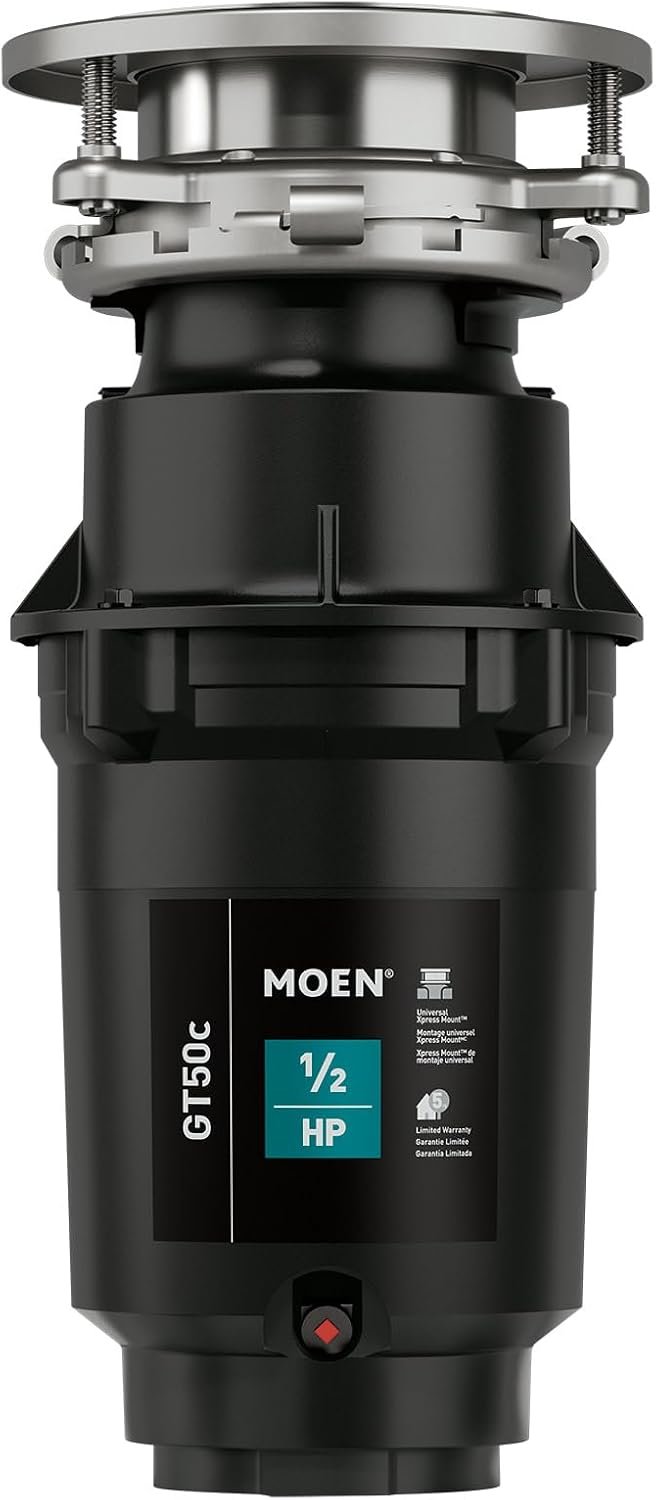
Most disposals have a small, red reset button on the bottom or side of the unit. Locate it and press it firmly. This resets the internal circuit breaker and often fixes simple overload issues.
Wait a few minutes before pressing the button again. If the unit hums but does not spin, the motor is likely jammed, not just overloaded.
Manually Rotating the Blades
Look for a hex socket hole on the bottom of the unit. Insert an Allen wrench and turn it back and forth. This manually rotates the impellers and dislodges whatever is stuck.
Keep your other hand far away from the drain opening. Use the wrench with slow, controlled movements. You will often feel the obstruction break free quickly.
Cleaning Your Disposal Without Risk
Cleaning your disposal helps prevent odors and keeps it running smoothly. The internet is full of wild tips, but many are unsafe. Stick to methods that keep your hands out of harm’s way.
The Ice and Salt Trick
Drop a handful of ice cubes into the disposal with the cold water running. Add a few tablespoons of coarse salt. Turn it on for 30 seconds. The ice sharpens the blades, and the salt scrubs away grime.
This method is safe, simple, and effective. It tackles odor-causing residue without expensive chemicals or dangerous tools.
Citrus Peels for Freshness
Toss in small pieces of lemon or orange peel. Run the disposal with cold water. The citrus oils naturally deodorize the unit and leave your kitchen smelling clean.
Do not use whole peels, as they can be fibrous. Cutting them into small chunks is the safest approach.
Creating a Family Safety Routine
Kids are naturally curious about the disposal. They see you using it and want to explore. We recommend teaching them early that the disposal is not a toy and is strictly off-limits.
Set a clear house rule: only adults touch the disposal. Explain that it is like a hot stove—it can hurt you if you are not careful.
Checklist for a Safe Disposal Habit
- Always run cold water before, during, and after use.
- Never reach into the drain with your fingers.
- Use tongs or pliers to retrieve dropped utensils.
- Feed small pieces slowly to avoid jams.
- Never dispose of grease, bones, or fibrous vegetables.
- Press the reset button only when the power is fully off.
Following these steps will keep your disposal working smoothly. More importantly, they will protect you and your family from painful, preventable injuries. You have the power to make your kitchen a safer place today.
Conclusion
Your garbage disposal is a workhorse, but it only stays that way when you treat it with care. We covered the golden rules: keep your hands out, run cold water every time, and feed it small amounts. Avoiding grease, bones, and fibrous foods will save you from most clogs and jams.
The best next step is simple. Walk over to your sink right now and grab a pair of long-handled tongs. Keep them hanging near the disposal at all times. That one small habit will remind you and your family to never use fingers near the drain. You can prevent every single disposal-related injury with this tiny change.
Frequently Asked Questions
Can a garbage disposal start on its own?
No, a garbage disposal cannot start on its own. It only runs when you flip the wall switch. However, a faulty switch can sometimes send power unexpectedly, so always treat the unit as if it is live.
We recommend unplugging the disposal or switching off the circuit breaker before any maintenance. This gives you total peace of mind that no one can accidentally turn it on while you work.
Is it safe to use drain cleaner in a garbage disposal?
You should avoid chemical drain cleaners in your disposal. These harsh chemicals can damage the rubber seals and internal plastic parts. They also pose a splash risk to your eyes and skin.
For cleaning, stick to the ice and salt method we covered earlier. If you have a stubborn clog, use a plunger or call a plumber instead of pouring chemicals down the drain.
Why does my garbage disposal smell even after cleaning?
A persistent smell usually means food particles are trapped in the splash guard or the drain line. The rubber baffle inside the sink opening can hold onto grime and bacteria over time.
You can clean this baffle by scrubbing it with an old toothbrush. Running citrus peels through the unit helps too, but do not use bleach. Bleach can damage the disposal components and create dangerous fumes when mixed with food waste.
How long should a garbage disposal last?
Most quality disposals last between 10 and 15 years with proper care. Units that get fed grease, bones, and fibrous vegetables tend to fail much sooner. Regular maintenance, like running ice through the unit, extends its lifespan.
If your disposal is making loud grinding noises or leaking water from the bottom, it may be time for a replacement. Check the warranty and compare repair costs against the price of a new unit.
What should I do if the disposal trips the circuit breaker?
First, flip the wall switch to the off position. Then, press the red reset button on the bottom of the unit. If it trips the breaker again, you likely have a jam that needs to be cleared manually.
Follow the manual rotation steps with an Allen wrench to free the obstruction. If the breaker keeps tripping after that, call a licensed electrician. This could indicate a wiring issue that you should not handle yourself.