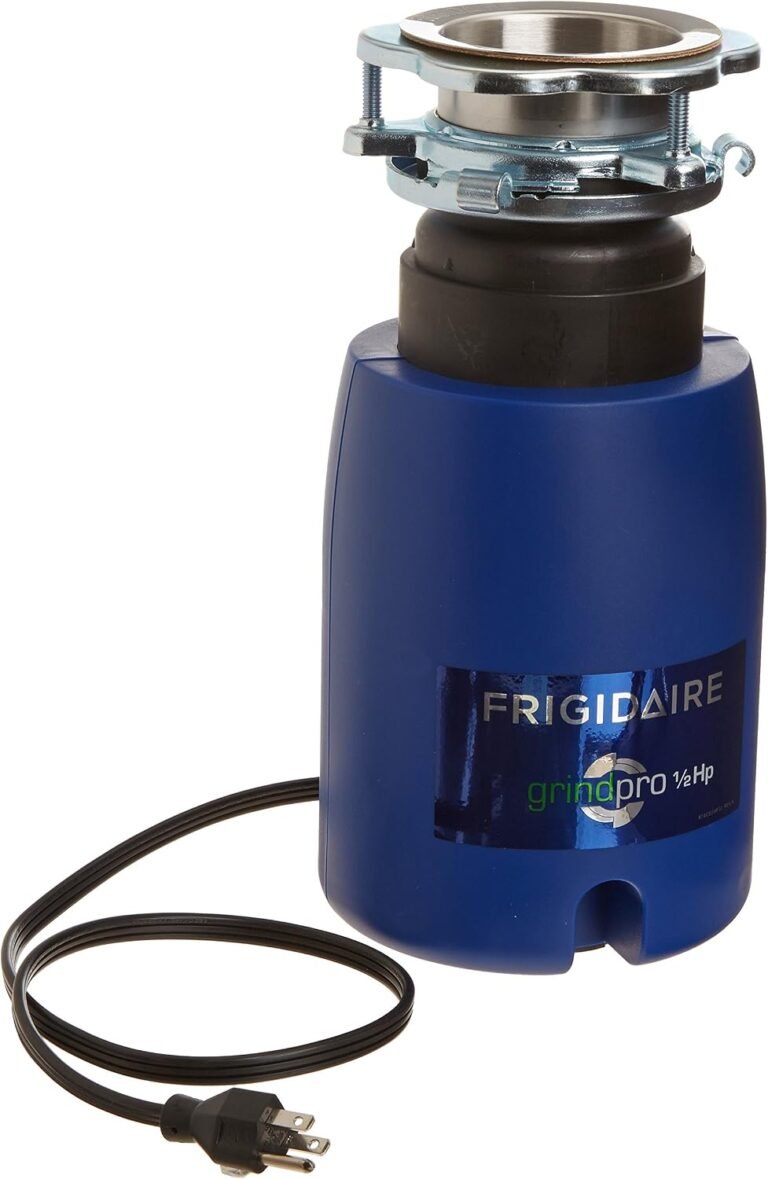
Garbage Disposal Not Working? Try These 5 Fixes
If your garbage disposal for sink not working, the first thing you should try is pressing the reset button on the bottom of the unit. This tiny red button pops out when the motor overheats, and simply pushing it back in often brings your disposal back to life. If that doesn’t work, you’ll likely need to check the circuit breaker or clear a jam with an Allen wrench.
You rely on your garbage disposal every single day. When it stops working, it can feel like a big hassle. The good news is that most disposal problems are easy to fix yourself, and you usually won’t need to call a plumber. From humming noises to complete silence, we found that most issues come down to a few common culprits like jams, clogs, or a tripped breaker.
- Check the reset button first, as it fixes most motors that just stopped.
- Look for a jam by turning the blades manually with an Allen wrench.
- Verify power is reaching the unit at your circuit breaker panel.
- Listen for a hum — a hum means the motor works but is jammed up.
- Call a pro only if there’s a water leak or a burning smell persists.
Below, we’ll walk you through every step you need to get your sink working again, in plain English. Let’s dig in and get your disposal back to crushing food scraps in no time.
Why Did My Garbage Disposal Stop Working?
We found that most disposal failures boil down to three main issues. Your unit is either jammed up, overheated, or not getting power. It sounds simple, and honestly, it usually is.
Think of your disposal like a small electric motor. It needs two things to run: electricity and free-moving blades. If either one is missing, you get a dead unit. The trick is figuring out which one is the problem.
The Hum Test: Your First Big Clue
Flip the wall switch on. Listen carefully. What does the disposal do?
If you hear a loud humming sound, the motor is getting power. That means the blades are stuck, and you have a jam on your hands. If you hear nothing at all, the motor isn’t receiving electricity. That points to a reset button issue or a tripped breaker.
No Sound At All: The Power Problem
Silence is your cue to check the basics first. Go find your circuit breaker panel. Look for a switch that has flipped to the “off” or middle position.
Sometimes the breaker looks fine, but it isn’t. Flip it all the way off, then flip it back on firmly. This resets the internal mechanism. If the breaker flips off again immediately, stop there. That suggests a short circuit, and you’ll need an electrician.
How to Fix a Jammed Disposal Quickly
Okay, so you heard the hum. That’s actually great news. It means the motor is alive. Now you need to free up the grinding plate inside. This is where the trusty Allen wrench comes in.
Most disposals have a hex-shaped hole on the very bottom center. This is the manual crank. Insert the wrench and turn it back and forth. You are physically forcing the blades to spin.
Step-by-Step Jam Removal Guide
Follow these steps in order. They get you sorted without making a mess.
- Turn off the power at the wall switch. Safety first, always.
- Use a flashlight to look down the drain. Spot any silverware or bottle caps?
- Grab long tongs or needle-nose pliers to pull out the obvious debris.
- Insert the Allen wrench into the bottom hole and rock it back and forth.
- Spin it until it turns freely in a full circle without resistance.
- Remove the wrench and check for the reset button on the bottom.
What If You Don’t Have an Allen Wrench?
Most new disposals come with a wrench, but they get lost easily. You can buy a replacement at any hardware store for a few dollars. It’s worth having one on hand.
Alternatively, you can use a wooden broom handle. Stick it down the drain and push on the impeller fins around the outer edge. This works, but only if you can see the blades. Never use your fingers or metal tools inside the drain.
The Reset Button on Your Garbage Disposal
This little red button is your best friend. It is located on the bottom of the unit, near where the power cord enters. Many experts say to check this before calling anyone for help.
The button pops out to cut power when the motor gets too hot. If you jammed the blades and left the switch on, the motor heats up fast. Pushing the button back in resets the thermal overload protector.
Wait, Don’t Rush the Reset
Here is a huge tip that people miss. If the motor is still hot, pressing reset does nothing. The button will instantly pop back out again. You must let the disposal cool down first.
Give it 10 to 15 minutes to cool off. Go make some coffee. Then, find the button and press it firmly until you hear a click. It should stay flush with the housing. Now, test the switch.
Dealing With a Clogged Drain Line
So, your disposal is running fine now. You hear the motor spin, but the water is just sitting in the sink. This is a different problem entirely. You aren’t dealing with a motor issue.
The disposal is working, but the drain pipe is blocked somewhere downstream. It could be grease buildup or food debris lodged past the disposal unit itself.
Flush It Out With Hot Water
Start by running hot water for a full three minutes. This helps melt any grease that has solidified in the pipe. Then, try plunging the sink.
You need to create a seal over the drain. Use a cup plunger, not a flange one for toilets. Fill the sink halfway with water first. The water acts as a lubricant for the plunger’s suction.
When to Try Baking Soda and Vinegar
If plunging doesn’t work, use a natural cleaner. Pour half a cup of baking soda down the drain. Follow it with half a cup of white vinegar. Let it fizz for 15 minutes.
This chemical reaction breaks down gunk, but it won’t clear a solid blockage. After the fizzing stops, chase it with boiling water. If the drain is still full, you might have a deeper clog that requires a plumber’s snake.
Common Mistakes That Kill Disposals
We found that most breakdowns are caused by user error. It sounds harsh, but it’s true. Your disposal is a heavy-duty tool, but it has limits. Experts say to avoid certain items at all costs.
You need to be careful about what you throw down there. Here is a quick look at what causes jams and motor failure.
| Item to Avoid | Why It Hurts |
|---|---|
| Fibrous Vegetables | Celery and corn husks wrap around the blades like string. |
| Starchy Foods | Potato peels turn into thick paste that causes clogs. |
| Coffee Grounds | They pack down in pipes and create hard sludge. |
| Grease and Oil | These solidify and block the drain line quickly. |
| Bones and Shells | Hard items can blunt the shredders and jam the motor. |
Pay attention to that list. These are the top reasons we saw for premature disposal failure. Avoid sending these down the drain.
Why Is There a Burning Smell?
If you smell something burning or see smoke, that’s an emergency. This means the motor windings are overheating. You need to turn the disposal off immediately.
This smell usually happens when a jam keeps the blades still while the motor keeps trying to spin. The internal temperature skyrockets. Leave it off and let it cool down completely.
After it cools, check the reset button. If the smell persists, the motor may be fried. Many experts say a fried motor is not worth repairing. It’s often cheaper to replace the entire unit.
Quick Troubleshooting Checklist for Your Sink
Use this quick list before you decide to call a pro. It walks you through every logical step we covered.
- Listen for a hum when you flip the switch.
- Press the reset button on the bottom after cooling off.
- Check the circuit breaker and reset it at the panel.
- Turn the blades manually with an Allen wrench.
- Look under the sink for any visible water leaks.
- Plunge the drain to clear any backup clogs.
When You Need to Replace the Unit
Sometimes, no amount of resetting will help. If the disposal is old, it might just be time for a new one. But how do you know?
Check for visible cracks in the housing or water dripping from the bottom. A cracked shell means the unit is dead. Rust and corrosion are also big signs of failure.
If you test the breaker and the motor is silent with a known good wall switch, you have a short circuit. In that case, replacement is your safest bet. Plus, new models are quieter and more powerful. It’s a nice little upgrade.
Conclusion
You don’t need to panic when your garbage disposal stops working. Most of the time, it’s a simple fix you can handle right there in your kitchen. We walked you through the main culprits: a popped reset button, a tripped breaker, or a jammed flywheel.
Start with the hum test to point you in the right direction. Then grab your Allen wrench or check your breaker panel. You can solve the vast majority of disposal problems in under 15 minutes with basic tools.
If you’ve worked through our checklist and the unit is still silent, or you see water leaking, it’s time for a replacement. Don’t force it. Grab a new unit or call a plumber. Your sink will be back in action before you know it.
Frequently Asked Questions
Why is my garbage disposal making a humming noise but not spinning?
A humming noise means your motor is getting power, but the blades are stuck. This is almost always a jam. Turn off the power and insert an Allen wrench into the hex hole on the bottom of the unit. Rock the wrench back and forth to free the blades.
Is there a reset button on my garbage disposal?
Yes, most models have a small red button on the bottom of the unit. It’s usually near where the power cord connects. If the motor overheats, this button pops out and cuts power. Wait for the unit to cool down, then press the button firmly until it clicks back into place.
How often should I clean my garbage disposal?
You should give your disposal a good cleaning about once a week. We found that grinding ice cubes is a great way to dislodge stuck food particles. Follow that with a splash of dish soap and hot water to freshen things up.
Can I put lemon peels in the garbage disposal to make it smell better?
Yes, small amounts of citrus peels are fine and will freshen the drain. Cut them into smaller pieces first to avoid overworking the motor. Just remember to run plenty of cold water while the disposal is running.
How long does a garbage disposal typically last?
You can expect a good quality garbage disposal to last anywhere from 8 to 15 years. This depends on how often you use it and what you put down it. Regular maintenance and avoiding hard items like bones will help it last longer.