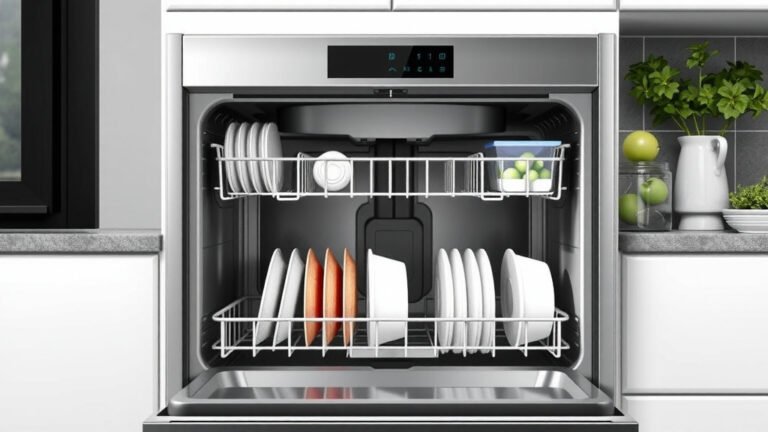

Silence Your Noisy Dishwasher: Easy Fixes
If your dishwasher sounds like a jet engine preparing for takeoff, you’re not alone! The good news is that you can often quiet a noisy dishwasher yourself. Common culprits include a loose spray arm, a worn-out pump, or something as simple as items hitting each other. We’ve researched the most effective ways to tackle dishwasher noise so you can enjoy a peaceful kitchen again.
A noisy dishwasher can be incredibly annoying, disrupting conversations and making meal prep feel chaotic. It’s not just about the sound, though; excessive noise can sometimes signal a minor issue that could lead to bigger problems if ignored. Understanding the common causes of dishwasher noise can help you pinpoint the problem and implement a solution quickly.
- Check for loose parts like spray arms.
- Ensure dishes aren’t clanking together.
- Inspect the pump and motor for wear.
- Consider adding sound-dampening mats.
- Clean filters and jets regularly.
Let’s walk through exactly how to diagnose and fix that racket your dishwasher is making, step by step.
Quieting Down a Loud Dishwasher
A dishwasher that sounds like it’s about to launch into orbit can really disrupt your kitchen’s peace. You’re not alone in dealing with this common annoyance. The good news is, many dishwasher noises are fixable without needing a repair person. We’ve researched the usual suspects and found some straightforward solutions to help you get back to a quiet kitchen.
First Steps: Simple Checks You Can Do
Before you start thinking about major repairs, let’s cover the easy fixes. Often, the simplest solution is the right one. These checks don’t require any special tools and can be done in just a few minutes.
Are the Dishes Loaded Correctly?
This might sound obvious, but it’s a frequent cause of clanking and banging. When you load your dishwasher, make sure items aren’t touching each other or the spray arms. A stray plastic bowl or a wobbly pan can create a surprising amount of noise as the water jets hit it.
- Ensure plates and bowls have space.
- Don’t let utensils stick out and hit the door.
- Keep larger items from blocking the spray arm’s rotation.
Check for Loose Spray Arms
The spray arms are responsible for blasting water onto your dishes. If one is loose or cracked, it can wobble and bang against the racks or dishes, creating a loud thumping sound. We found that this is a surprisingly common issue.
- First, open your dishwasher door completely.
- Locate the spray arms – usually one at the bottom and one in the middle.
- Gently try to wiggle each arm. Does it feel loose?
- If an arm is loose, it might simply need to be tightened. Some arms screw on, while others have clips. Consult your dishwasher’s manual if you’re unsure.
- If you find a crack, the spray arm will need to be replaced. You can usually order replacement parts online by searching your dishwasher’s model number.
Inspect the Dishwasher Filter
A clogged filter can cause a few problems, including increased noise. When the filter is full of food particles, it restricts water flow. This can make the pump work harder, leading to a humming or grinding sound. Cleaning it is usually simple.
- Locate the filter at the bottom of your dishwasher tub. It’s often a cylindrical or mesh component.
- Remove the filter according to your manual’s instructions.
- Rinse it thoroughly under running water. You might need a soft brush to remove stubborn debris.
- Reinstall the clean filter.
Many sources recommend cleaning your dishwasher filter at least once a month to keep things running smoothly and quietly (Cleveland Clinic).
Investigating Pump and Motor Noises
If you’ve gone through the initial checks and the noise persists, the issue might be with the internal components like the pump or motor. These noises often sound like grinding, humming, or whining.
Understanding the Circulation Pump
The circulation pump is what drives the water through the spray arms. If it’s failing or has debris caught in it, it can become noisy. Grinding or buzzing sounds often point to a problem here.
- Sometimes, small pieces of glass or bone can get into the pump impeller.
- If you hear a loud grinding, it’s a good idea to have this checked.
- Replacing a circulation pump can be a more involved DIY repair or a job for a professional.
The Drain Pump’s Role
The drain pump removes water at the end of the cycle. If this pump is noisy, you might hear a whining or struggling sound when the dishwasher is draining. Like the circulation pump, debris can cause issues.
- Check your dishwasher’s manual for instructions on accessing the drain pump.
- Look for any obvious obstructions.
- If the pump is damaged, it will need replacement.
When it comes to pump noises, many experts suggest that a persistent grinding or high-pitched whine is a sign that the pump might be nearing the end of its life. It’s best to address these noises sooner rather than later to prevent further damage (Maytag).
Addressing Other Potential Causes
Beyond the common culprits, a few other things can contribute to your dishwasher’s noisy operation.
The Water Inlet Valve
This valve controls the flow of water into your dishwasher. If it’s faulty, it can sometimes create a buzzing or humming sound when water is entering the machine. This noise usually occurs at the beginning of the wash cycle.
- A worn-out water inlet valve might need to be replaced.
- This is a common part to fail over time.
The Motor Bearings
Dishwasher motors have bearings that allow them to spin smoothly. When these bearings wear out, they can produce a loud whining or grinding noise. This is often a more serious issue that may require professional attention.
Is the Dishwasher Level?
Sometimes, an unlevel dishwasher can vibrate more, leading to increased noise. You can check if your dishwasher is level by placing a spirit level on the top edge of the door or inside the tub.
- Most dishwashers have adjustable feet at the bottom.
- You can turn these feet to raise or lower the dishwasher until it’s level.
Quick Checklist for a Quieter Dishwasher
Here’s a quick rundown of things to check next time your dishwasher starts sounding like a construction site:
- Inspect Loading: Ensure dishes aren’t bumping each other.
- Tighten Spray Arms: Make sure they spin freely without wobbling.
- Clean Filter: Remove and rinse any debris.
- Check for Obstructions: Look inside for anything loose.
- Level Your Unit: Adjust feet if it seems off-balance.
Can You Add Sound Dampening?
If you’ve done all the checks and fixes, and your dishwasher is still a bit louder than you’d like, there are ways to reduce the noise from the outside. Adding sound-dampening materials can make a noticeable difference.
Dishwasher Sound Guard Mats
These are special mats designed to fit under and around your dishwasher. They are made of dense materials that absorb sound and vibration. We found that installing one of these mats can significantly reduce the noise transmitted to your floors and cabinets.
- You’ll need to pull your dishwasher out from under the counter to install this.
- Ensure the mat doesn’t obstruct any vents or access panels.
- Follow the manufacturer’s installation guide carefully.
Many homeowners have found that a combination of these fixes can dramatically cut down dishwasher noise. It’s empowering to know you can tackle most of these issues yourself and enjoy a more peaceful kitchen.
Conclusion
Tackling a noisy dishwasher doesn’t have to be a chore. You’ve learned that simple checks, like ensuring proper loading and tightening spray arms, can often resolve the issue. If the noise persists, cleaning the filter or investigating pump and motor health are the next logical steps. Even considering sound dampening can make a difference for persistent sounds. Don’t let a loud appliance disrupt your kitchen’s peace any longer. Take the first step today by checking your dishwasher’s spray arms – it might be the easiest fix you make!
Frequently Asked Questions
How often should I clean my dishwasher filter?
We found that cleaning your dishwasher filter at least once a month is a good practice. This prevents food debris buildup that can cause pump strain and noise. Regular cleaning ensures optimal water flow and quieter operation for your appliance.
What does a grinding noise from my dishwasher mean?
A grinding noise often indicates an issue with the circulation pump or drain pump. Something as small as glass or bone fragments could be caught in the impeller. If you hear persistent grinding, it’s wise to have it inspected before further damage occurs.
Can a loose spray arm really make that much noise?
Yes, a loose spray arm can create a surprising amount of noise. As it spins, a wobbly arm can bang against dishes or the dishwasher racks. This often sounds like a rhythmic thumping or banging during the cycle.
My dishwasher is humming loudly at the start of the cycle. What could it be?
A humming or buzzing sound when water enters your dishwasher often points to the water inlet valve. This valve controls water flow into the machine. If it’s failing, it can produce this noise. Replacement might be necessary.
Is it worth adding sound dampening to an older dishwasher?
Adding sound dampening materials, like a sound guard mat, can help reduce noise transmission from any dishwasher, including older models. While it won’t fix internal mechanical issues, it can make a noticeable difference in overall kitchen quietness.