Best Dishwasher Detergent for Soft Water: 2026 Picks
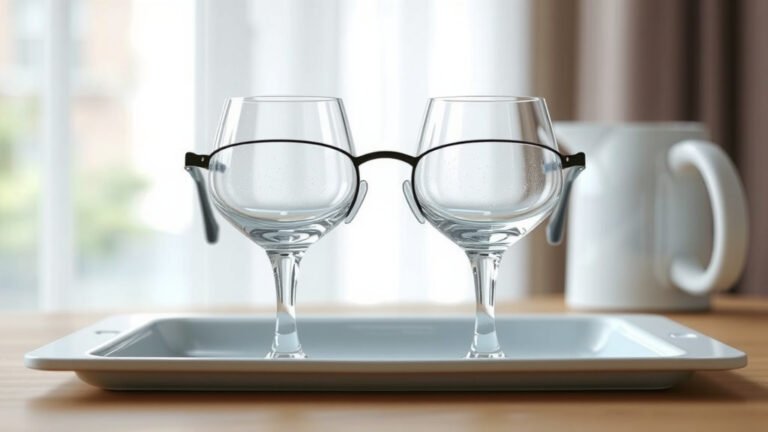
Soft water makes your dishwasher detergent work better, not worse. The best choice is a low-sudsing powder or gel with a reduced dosage, because soft water needs far less detergent than hard water. Use too much, and you’ll end up with cloudy film on your “clean” dishes.
We’ve researched what works in soft water homes, and the answer surprised us. Many experts say soft water can let you cut detergent use by half or more. That’s good news for your wallet, your glasses, and your sanity.
- Soft water needs less detergent than hard water, not more.
- Too much detergent causes cloudy film and etching on glassware.
- Powders and gels usually dissolve better than pods in soft water. Our guide to dishwasher detergent types breaks down how powders, gels, and pods compare in everyday cleaning.
- Start with about half the normal dose and adjust from there.
- Check your water hardness before you pour — it changes everything.
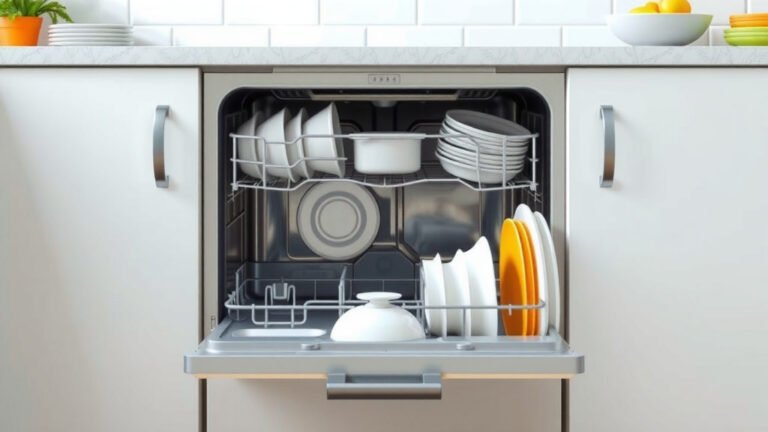
So how much should you actually use, and which products work best? Below, we break down everything you need to know about dishwasher detergent for soft water, step by step.
Why Soft Water Changes Your Dishwasher Routine
Soft water already has most of the minerals removed — things like calcium and magnesium. Hard water minerals are what your detergent fights against, so with soft water, there’s far less to fight. That means the same scoop of detergent suddenly has nothing to do but foam up and stick around.
We found that most soft water homes can use half or even a quarter of the detergent they were using before. It feels wrong at first. Like putting one scoop of coffee in a full pot. But your dishes will thank you.
Picking the Right Detergent for Soft Water
Not all detergents behave the same way once the minerals are gone. Here’s what we found when we compared the main types.
Powder Detergent: The Flexible Favorite
Powder gives you full control over the dose. You can literally use a teaspoon if that’s all your water needs. Powders also rinse away cleanly because there’s no built-in softener doing extra work.
Gel Detergent: Easy but Weaker
Gels dissolve fast and dose easily, but many experts say they’re the weakest cleaners of the three types. In soft water that’s often fine. If your dishes come out with stuck-on sauce, a powder might serve you better.
Pods: Convenient but Risky
Here’s the catch with pods. They’re pre-measured for hard water and average soil levels. You can’t split one in half (well, you can, but it gets messy). In soft water, a whole pod is usually too much detergent, which leads straight to film.
When Pods Still Make Sense
If you love pods, look for brands that let you choose a smaller pack size, or just skip the pre-wash compartment. Many experts say using half a pod in the main cup works for lightly soiled loads in soft water homes.
How Much Detergent Should You Actually Use?
Start low. We can’t say it enough. The standard dosing lines on your detergent cup assume hard water, so ignore them at first.
Many guidelines suggest starting with about one teaspoon of powder or gel per load in soft water. If dishes come out clean, stay there. If they don’t, add a small amount next time.
A Simple Dosing Table
| Water Type | Powder / Gel Dose | Pods |
|---|---|---|
| Soft water (0–3 grains) | 1 teaspoon | Half a pod or less |
| Medium water (4–7 grains) | 1–2 teaspoons | One pod |
| Hard water (8+ grains) | Fill to hard water line | One pod plus booster |
Grain levels come from your local water report or a cheap test strip. The EPA requires water utilities to publish annual water quality reports, so your town’s numbers are probably one search away.
Signs You’re Using Too Much Detergent
Your dishwasher will tell you, in its own cranky way. Watch for these clues.
- Cloudy film on glasses that wipes off with vinegar.
- A soapy smell when you open the door mid-cycle.
- Suds pooling at the bottom after the cycle ends.
- Glasses that look scratched or frosted (that’s etching, and it’s permanent).
- Detergent paste sitting in the dispenser cup.
Etching is the scary one. Once glass is etched, no amount of scrubbing brings it back. So if your grandma’s glasses are getting frosted, cut the detergent today.
Quick Checklist for Soft Water Dishwashing
- Test your water hardness with a strip or your utility report.
- Start with one teaspoon of powder or gel per load.
- Skip the pre-wash cup entirely.
- Run the hot water at your sink before starting the cycle.
- Check glasses weekly for film or fogging.
- Adjust the dose one small step at a time.
Rinse Aid: Your Secret Weapon in Soft Water
Here’s a plot twist. Even with soft water, a rinse aid still earns its spot. It helps water sheet off dishes instead of forming droplets, which means fewer spots and faster drying.
Some modern detergents include rinse aid already. If yours doesn’t, fill the dispenser and check your results. Many experts say rinse aid matters even more when you’ve cut detergent way down.
Watch the Suds
Soft water makes detergent foam more. That’s not a good thing in a dishwasher — suds can leak out the door and confuse the sensors. Less detergent equals fewer bubbles. Simple math, happy floor.
What About Dishwasher Salt and Softener Settings?
If your dishwasher has a built-in water softener, it may ask for dishwasher salt. If your home already has a whole-house softener, you can usually turn the machine’s softener setting to its lowest level. Running both isn’t harmful, but it’s redundant — like wearing a raincoat indoors.
Check your machine’s manual. Many manufacturers, including Bosch and Miele, publish guidance on adjusting the softener setting based on your home’s grain level.
Common Mistakes Soft Water Homes Make
Even careful folks slip up here. We found these come up again and again.
Trusting the Detergent Cup Lines
Those fill lines are calibrated for average hard water. In a soft water home, they’re basically a dare. Ignore them until you’ve tested your water.
Blaming the Dishwasher
Film on dishes isn’t always a broken machine. Before you call a repair tech, try a lower detergent dose for a week. You might save yourself a service fee and learn something useful in the process.
Pre-Rinsing Everything
With so little detergent in soft water, you might wonder if dishes need a head start. Most modern dishwashers and detergents actually work better with some food residue present, since enzymes need something to attack. Scrape, don’t rinse (Mayo Clinic offers similar guidance on dishwasher loading habits).
Conclusion
Soft water is a gift to your dishwasher, if you let it work for you. The whole game comes down to one habit: use less detergent. A teaspoon of powder or gel, a skip on the pre-wash cup, and a bottle of rinse aid will get your glasses cleaner than any expensive pod ever did. We found the hardest part isn’t the technique — it’s breaking the habit of filling that cup to the line. Trust your water test, not the dosing marks. Start tonight: run one load with a single teaspoon of powder and check your glasses when the cycle ends. You might be surprised how little it really takes.
Frequently Asked Questions
Can I use regular dishwasher detergent in soft water?
Yes, but you’ll need much less of it. Regular detergents are formulated with hard water in mind, so a full dose in soft water usually leaves film. Cut the amount back and watch your results.
Does soft water damage my dishwasher over time?
Not at all — it’s actually easier on your machine. Soft water leaves less mineral buildup on heating elements, spray arms, and interior surfaces. Many machines last longer in soft water homes.
Why are my dishes still spotty even with soft water?
Spots usually mean water is clinging to dishes instead of sheeting off. Try filling the rinse aid dispenser and make sure your cycle includes a heated dry. Both make a big difference. For other causes beyond rinse aid, our troubleshooting guide to dishwasher spots walks through the common fixes.
Is dishwasher salt the same as table salt?
No, and swapping them can damage your machine. Dishwasher salt is coarse and dissolves slowly, while table salt contains additives that can clog the softener unit. Only use salt labeled for dishwashers.
How do I know if my home actually has soft water?
Grab a cheap water hardness test strip from any hardware store, or look up your utility’s annual water quality report online. If your grains-per-gallon reading is 3 or lower, you’re in soft water territory.